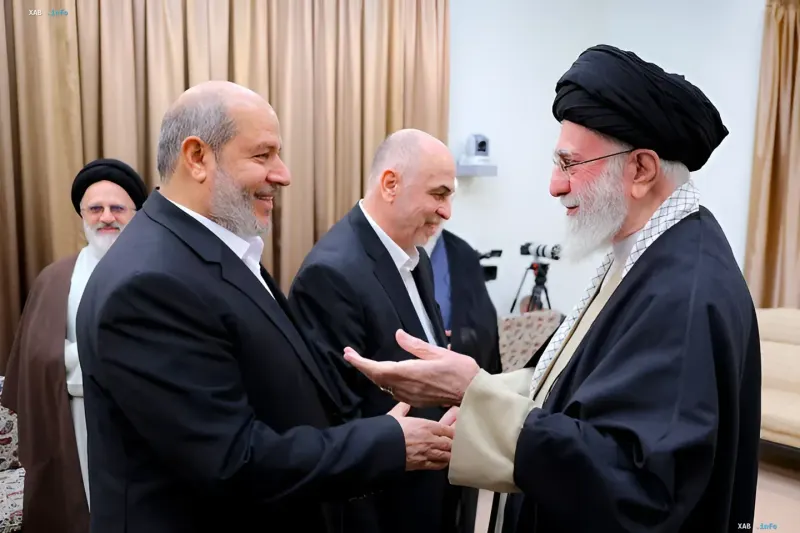
Radical changes have occurred in the leadership of the Palestinian movement Hamas. The new head of the organization is Khalil al-Hayya, who previously served as the chief negotiator and operated outside the Gaza Strip. His election was the result of a complex process that stretched over several months and took place against the backdrop of ongoing war and internal tension.
The Path to Leadership: Crisis and Consolidation
Al-Hayya's appointment comes during the most difficult period in the history of the movement, which has existed for more than three decades since its founding in 1987. In 2024, Hamas lost two key leaders — Yahya Sinwar and Ismail Haniyeh. Following Sinwar's death, control temporarily passed to a five-member council, which included both al-Hayya and Khaled Meshaal, head of the external political bureau.
The process of selecting a new leader began as early as January, but it was repeatedly interrupted due to external factors: conflicts in Iran and Lebanon, as well as active Israeli military operations in Gaza. The final decision was made by an expanded council of approximately 50 members representing various factions of the movement — those in Gaza, on the West Bank, in Israeli prisons, as well as emigrants.
Hardline Stance and Geopolitical Consequences
Many observers note that al-Hayya adheres to a harder line than his rival Khaled Meshaal. This is confirmed by his biography: he was one of the high-ranking officials targeted by an Israeli airstrike in Doha in 2025. Palestinian political scientist Reham Ouda believes that the election of al-Hayya signals the continuity of the movement's course.
In the expert's opinion, Hamas:
- Continues to wage armed struggle;
- Categorically rejects demands for disarmament;
- Maintains a strategic alliance with Iran and other forces of the "Axis of Resistance".
This means that any international attempts to force the disarmament of the organization will likely encounter new serious obstacles.
Situation in Gaza: The Cost of War
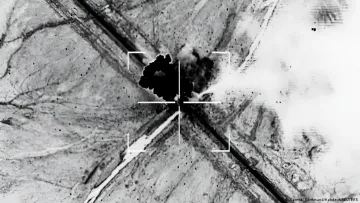
The new leadership takes office against the backdrop of a catastrophic humanitarian situation. Although the scale of hostilities decreased after the ceasefire agreement mediated by the US in October 2025, the situation remains critical. Israel still controls more than 60% of the Gaza Strip territory, and airstrikes continue.
Approximately 2 million residents of Gaza are forced to live in extremely difficult conditions. According to the health authorities of the sector, more than 73,000 people have died since the start of the conflict that erupted after the attack on October 7, 2023. Against the backdrop of these figures, Hamas faces growing criticism from the residents of Gaza themselves, who bear the brunt of the devastating consequences of the war.