The situation in the Strait of Hormuz, one of the world's key energy arteries, has reached a critical point. On the night of Saturday, July 18, US Armed Forces struck Iranian military infrastructure for the seventh consecutive time. In response, Tehran continued its campaign of retaliation, shelling targets in Kuwait and Bahrain. Experts and diplomats warn: the region is on the brink of a full-scale conflict that could overturn the geopolitical map of the Middle East.
Escalation: Strikes on Iran and Tehran's Response
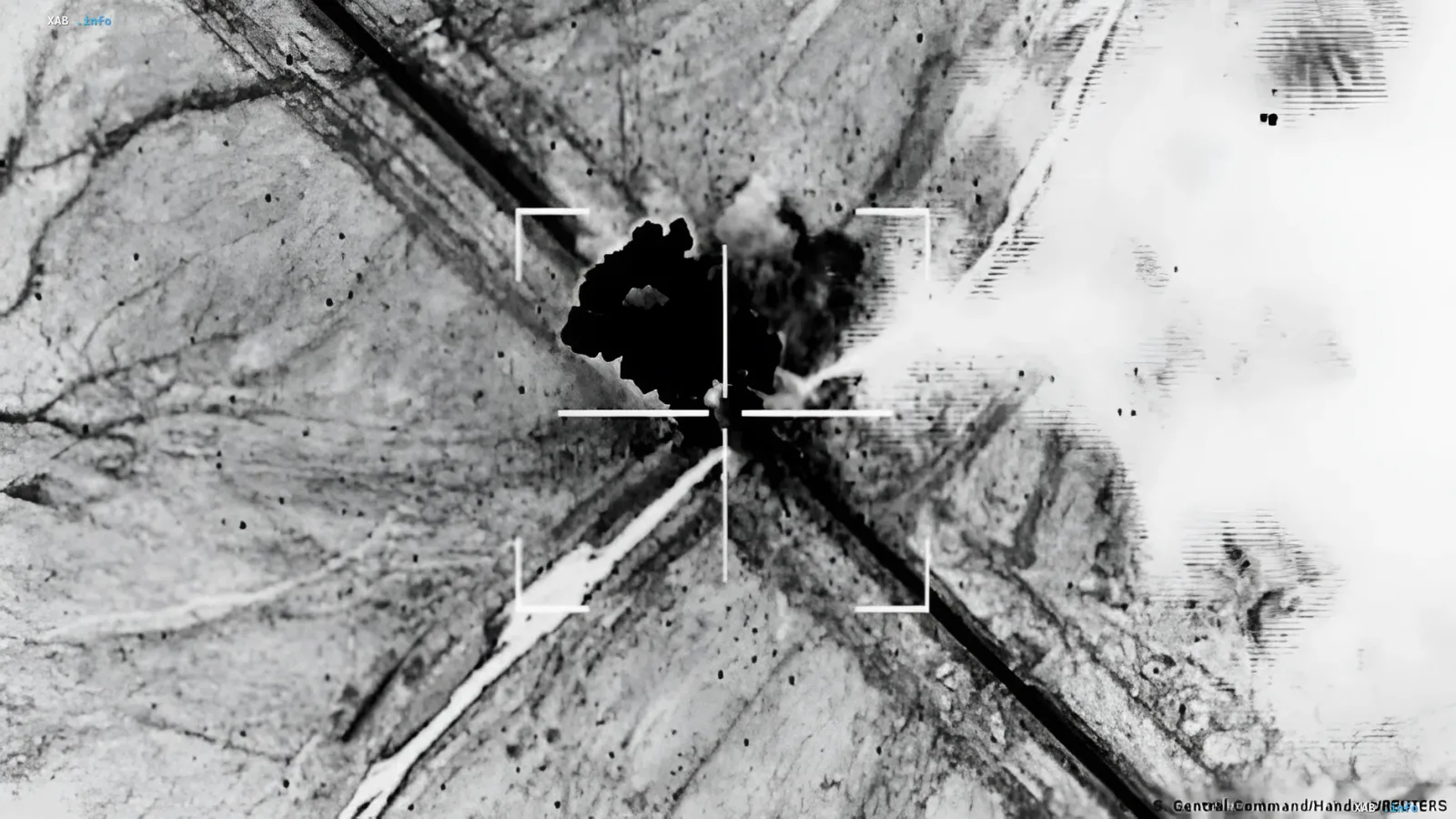
US military command confirmed the conduct of strikes on observation posts, underground weapons depots, and other military targets. The exact coordinates of the attacks are not disclosed. At the same time, Iranian media, including Press TV, stated that civilian objects were hit. According to their data, at least three civilians were killed as a result of the attacks, and another eight were injured.
In response to US actions, Iran continued its countermeasures. Kuwait and Bahrain were again shelled. Reports also came in of explosions in Saudi Arabia and Jordan, where US military bases are located. The Iranian state channel Irib reported explosions in the area of the city of Sirik, near the Strait of Hormuz, as well as in the port city of Bandar Abbas. The Fars agency reported repeated attacks on bridges in the southern Hormozgan province.
Battle for the Strait: Tankers, Mines, and Lies
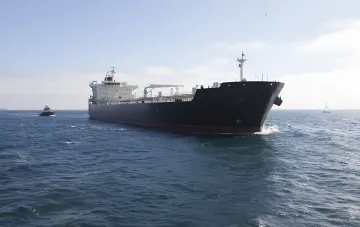
Particular tension is associated with navigation in the strait itself. On the morning of July 18, the Islamic Revolutionary Guard Corps (IRGC) announced the conduct of a "combined missile-drone operation," during which four ships were stopped. In addition, Tehran accused the US of mining the waters, stating that two oil tankers hit mines and exploded.
"Two oil tankers that attempted to pass through a minefield in the southern part of the Strait of Hormuz after being misled by US intelligence exploded and caught fire," the IRGC statement reads. However, the Pentagon categorically rejected these accusations. Central Command, in its statement on social network X, called the information about the explosions of tankers false, noting that such statements from the IRGC have become a common occurrence.
Threat of Global Conflict
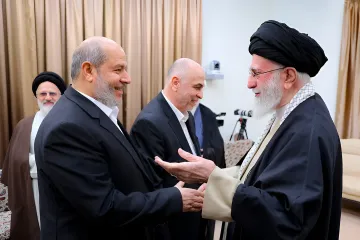
Rhetoric in Tehran is becoming increasingly harsh. The official spokesperson for the Iranian Ministry of Foreign Affairs, Ismail Baghaei, stated that the Iranian people are determined to make the enemies "bitterly regret the criminal aggression." Advisor to the Supreme Leader of the country, Mohsen Rezaei, issued an ultimatum: if US attacks continue for another two or three days, Iran will move to the "phase of comprehensive offensive and destructive operations," abandoning limited retaliatory measures.
Washington, in turn, is preparing the ground for a possible expansion of the war. According to The Wall Street Journal, US military is expanding the range of targets in Iran and transferring fighters from Europe. The Axios portal, citing US and Israeli officials, reported that dozens of additional tanker tankers are being sent to the region to support operations.
Economic Consequences and Risk of Involving Allies
After the resumption of active hostilities, shipping through the Strait of Hormuz has practically frozen. Analysts from the company Kpler recorded a record low figure: on July 16, only eight ships passed through the strait. This creates a threat to the global oil market.
Concerns are also raised by the actions of pro-Iranian groups in the region. In Yemen, the Houthis threatened Saudi Arabia with a "siege." If the conflict spreads to the kingdom, this could derail Pakistan's mediation efforts. Pakistani diplomatic circles warned that in the event of hostilities between Saudi Arabia and the Houthis, Islamabad, which has a military alliance with Riyadh, may be forced to enter the conflict.