On August 7, 2026, the international agenda is dominated by the topic of a possible de-escalation of tensions in the Middle East. US Treasury Secretary Scott Bessent, in an interview with 12 News AZ, stated that Washington and Tehran could agree on a ceasefire regime for 30 or 60 days. According to the high-ranking official, a final agreement could be reached within the next one to two days, opening a window of opportunity for stabilizing regional security.
Economic pressure as a lever of influence
Bessent confirmed the tough stance of President Donald Trump's administration, stating that Iran is under unprecedented economic pressure. The Treasury Secretary quoted the head of state regarding the destruction of Iranian aviation and fleet during a joint US-Israeli military operation. "We are holding them by the throat. They have 150–180% food inflation; they cannot maintain their troops," Bessent noted, emphasizing that economic collapse has forced Tehran back to the negotiating table.
Chronology: from the resumption of hostilities to diplomacy
The situation in the region remains extremely dynamic. In June of this year, the US and Iran had already reached an agreement on a 60-day ceasefire, which was supposed to become a platform for peaceful settlement. However, in early July, hostilities resumed and continued until the end of the month. A turning point came at the end of July when Donald Trump postponed strikes on Iran's energy infrastructure, signaling a willingness to resume dialogue. Since then, diplomatic activity has increased sharply.
Key role of the Strait of Hormuz and Oman
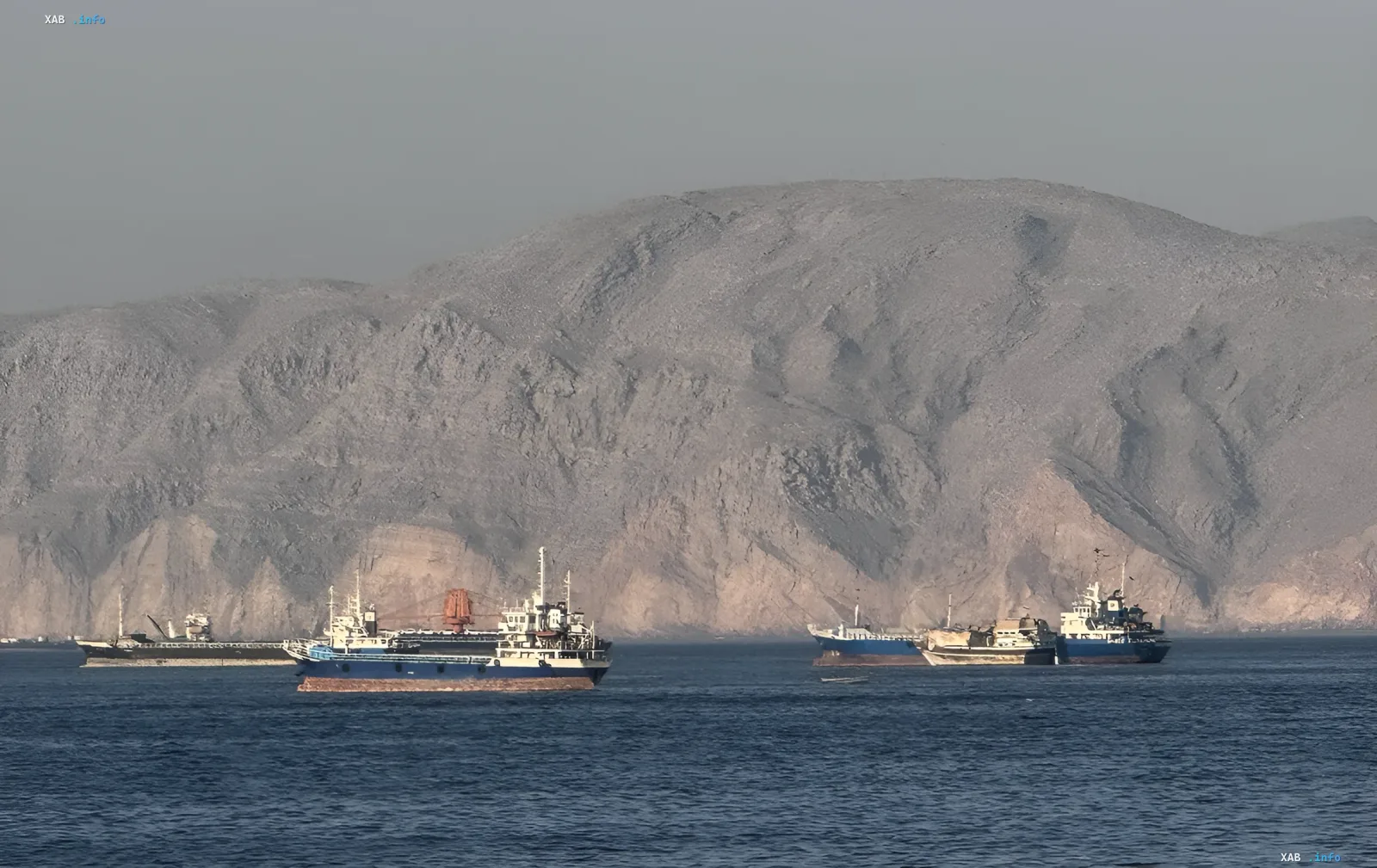
The central element of current negotiations is control over the Strait of Hormuz. According to RBC-Ukraine data, the proposed agreement between Iran and Oman provides for Tehran to control ships passing through this strategic hub. On August 5, it became known that the US, Iran, and Oman are close to signing an interim agreement on the resumption of shipping. Washington plans to officially announce the agreement on Wednesday, August 12, which will be an important signal for the global energy market.
Contradictory data
Despite optimistic statements, there are discrepancies in the details. On the one hand, Bessent claims that the agreement could be signed within 1–2 days. On the other hand, sources point to the need to coordinate complex technical details of strait control, which could delay the process. Furthermore, it is unclear whether the ceasefire will be limited to only 30 days or expand to 60, as previously planned. These uncertainties require careful monitoring by international observers.
Prospects for regional stability
If an agreement is reached, it will be the first significant step towards long-term peace in the region in recent years. However, experts warn that success depends on both sides fulfilling their obligations. In the event of a breakdown of agreements, the conflict could escalate into a full-scale war with unpredictable consequences for the global economy. A peaceful resolution of the crisis remains a priority for the US, but requires maximum diplomatic flexibility.