Diplomatic Breakthrough: Washington Notes Progress in Dialogue with Tehran
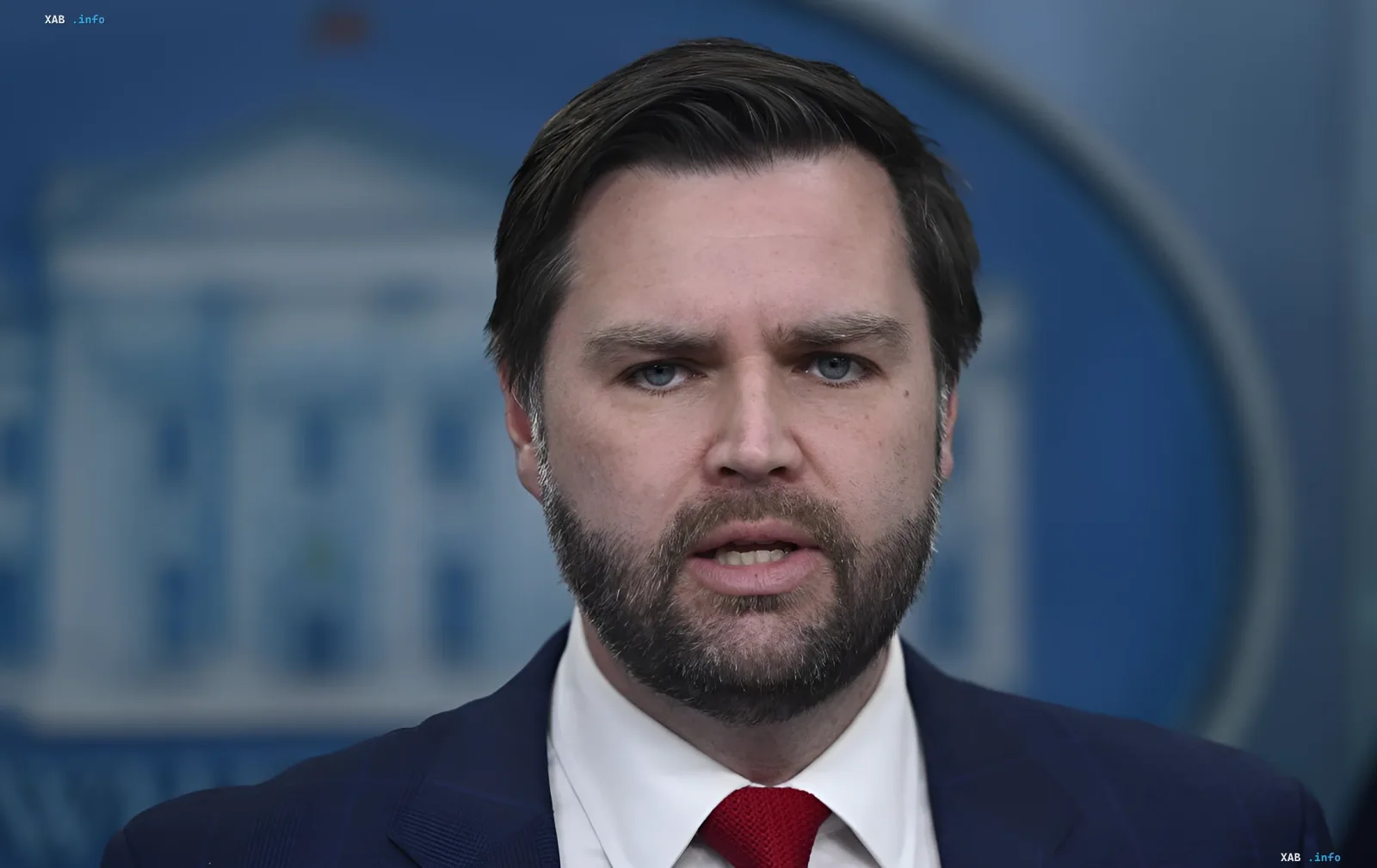
As of August 9, 2026, the US administration officially announced the achievement of certain progress in negotiations with Iran. This was stated by US Vice President JD Vance during a briefing. According to him, in recent days, the parties have been able to advance on key issues related to regional security and the restoration of normal functioning of maritime routes. Vance emphasized that Washington is using a comprehensive approach, combining diplomatic efforts, economic pressure, and military presence to achieve goals that serve the interests of the American people.
Special attention was paid to the situation in the Strait of Hormuz — one of the most strategically important maritime routes in the world, through which a significant portion of global oil supplies pass. Vance stated: 'We want shipping through the Strait of Hormuz to be as it was before the war.' This statement indicates that during the period following the start of the conflict in the region, there were serious disruptions in the operation of the strait, which affected the global economy and energy security.
Comprehensive Approach: Diplomacy, Economy, and Military Presence
Vance noted that the US is not limited to negotiations alone but is actively applying all available tools of influence. Economic sanctions, diplomatic initiatives, and military presence in the Persian Gulf are used as interconnected elements of a single strategy. This approach, in the opinion of the administration, allows for the creation of conditions for achieving sustainable results, rather than temporary concessions. Vance also acknowledged that the negotiation process remains complex and may require additional time, but emphasized that even small steps forward have strategic significance.
Challenges and Risks: Why Negotiations May Drag On
Despite the announced progress, Vance warned that diplomatic negotiations are often accompanied by failures before the parties reach a final agreement. He noted that Tehran maintains a hardline position on a number of issues, including the nuclear program and Iran's regional influence. In addition, internal political processes in Iran may affect the leadership's readiness for compromises. Vance emphasized that the US is ready for a long-term process but does not intend to make concessions that could jeopardize national security.
Contradictory Data
While the US administration claims progress, independent analysts and some international observers express caution. According to sources in the UN, no formal agreements between the US and Iran have been signed to date, and Vance's statements may be part of diplomatic rhetoric aimed at strengthening positions ahead of possible new sanctions. In addition, some experts point out that Iran continues to support its proxy groups in the region, which casts doubt on the sincerity of its intentions. Thus, there is a discrepancy between official statements from Washington and the actual actions of the parties on the ground.
Outlook: What's Next?
In the coming weeks, it is expected that the US will continue dialogue with Iran, possibly through intermediaries. Key issues will remain the security of the Strait of Hormuz, the lifting of some sanctions, and control over Tehran's nuclear program. Vance expressed hope that the result of the negotiations would be 'good for the American people,' which could mean a reduction in energy prices and stabilization of the regional situation. However, ultimate success depends on the willingness of both sides to compromise and abide by the agreements reached.