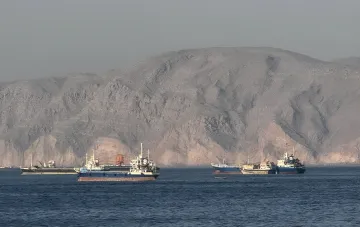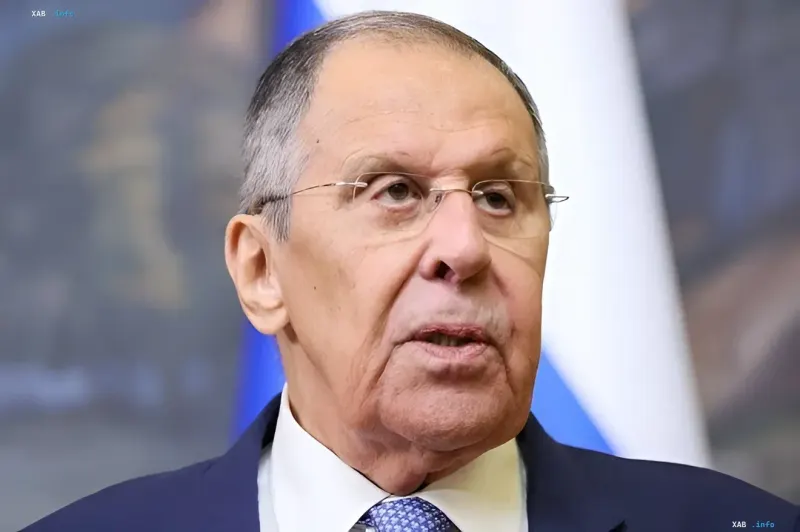
On September 26, 2026, on the sidelines of the UN General Assembly, Russian Foreign Minister Sergey Lavrov launched an initiative to de-escalate the situation in the Strait of Hormuz. Moscow expressed its readiness to act as a guarantor of stability in the region, emphasizing the urgent need to build trust between Iran, the Persian Gulf states, and the Arab world. According to Lavrov, creating a sustainable regional security architecture is the only way to prevent a global energy crisis.
Failure of Diplomatic Efforts and the US Position
This statement came almost simultaneously with US President Donald Trump's decision to reject Tehran's proposal for a "seven-day agreement." The core of the Iranian initiative was to cease all hostile actions in the region in exchange for lifting the naval blockade, unfreezing financial assets, and removing strict oil sanctions. In an official comment on September 26, Trump stated openly that he saw no point in a deal on Iran's terms, emphasizing that Tehran's financial losses from the blockade only increase pressure on the regime.
Contradictory Data
International observers note a significant gap in assessments of the events. While the US administration interprets the situation as a success of the "maximum pressure" strategy, citing Iran's willingness to negotiate as a sign of weakness, Russian diplomacy insists on humanitarian and economic aspects. It is important to note that expert circles and various media sources previously cited Lavrov's remarks regarding the unacceptability of charging for passage through the strait, which provides additional context for ongoing debates about the sovereignty of maritime routes.
The consequences of this diplomatic deadlock remain highly uncertain. The Strait of Hormuz is a strategic artery through which up to 30% of global maritime oil exports pass. The US refusal to negotiate at this time could lead to further escalation, affecting global energy markets if Russia's efforts to create a regional structure do not receive support from other global players.