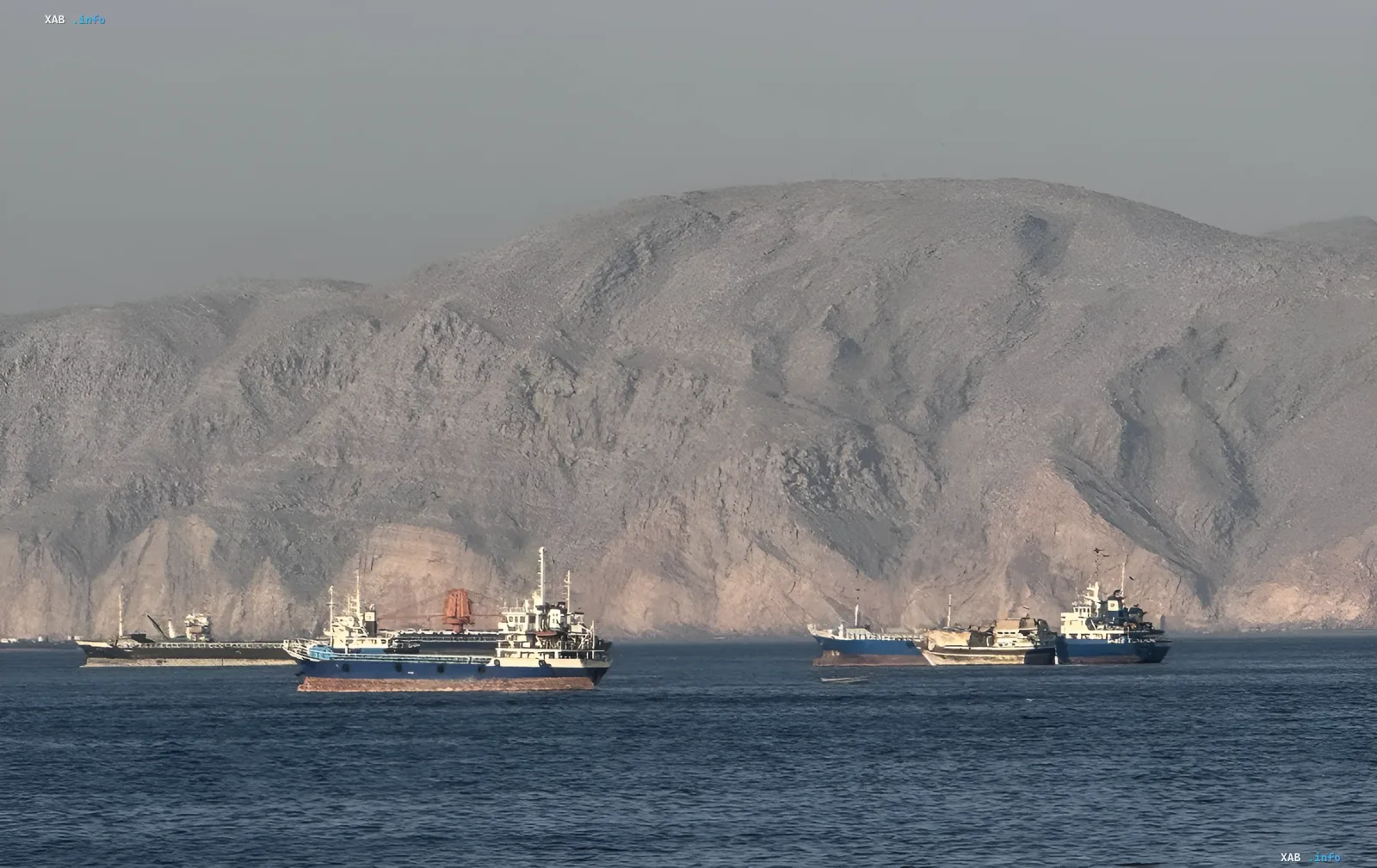
Tensions in the strategically vital Strait of Hormuz have reached an unprecedented level. Over the past week, the intensity of Iranian attacks on commercial vessels hit an absolute maximum since the outbreak of open military confrontation with the United States. According to authoritative maritime security sources, the situation in the region continues to rapidly deteriorate, creating colossal risks for global energy supplies.
Escalation in the Strait of Hormuz and Attack Statistics
According to information provided by the Joint Maritime Information Center (JMIC) under the U.S. Navy, Iranian forces continue to systematically attack ships passing through the strait. Reports from specialized agencies indicate Tehran's firm intention to assert its dominance along key international transit routes and maintain constant pressure on international shipping. JMIC representatives emphasize that the scale and frequency of such incidents leave no doubt about the targeted nature of the ongoing campaign.
Source Data and International Organization Assessments
Data from various agencies slightly differ in details, but the general trend remains alarming. Figures from three independent maritime security sources confirm that between September 28 and October 5, 2026, at least 12 attacks on various types of vessels—including oil, gas, and combined tankers—were recorded in the Hormuz area. This is an absolute anti-record in the history of the current conflict, which began on February 28.
Contradictory Data
Despite the general consensus on the sharp rise in violence, official reports from specialized international structures show some discrepancies in figures. While security sources insist on 12 attacks during the reporting week, independent reporting from the International Maritime Organization (IMO), the UN shipping agency, cites nine incidents over the same timeframe. Experts attribute these discrepancies to differing criteria for incident classification and the speed of verifying distress signals coming from the water.
Consequences for Crews and Tehran's Position
The price of escalation is measured not only in economic losses but also in human lives. The Indian Ministry of Foreign Affairs officially confirmed on Tuesday that 12 crew members sustained injuries of varying severity as a result of a rocket or artillery strike on the Panama-flagged oil tanker On Peace. Recall that on the night of October 2, another tanker in the same area was hit by an unknown projectile, sparking a large-scale fire on board. Against this backdrop, Iran continues to issue ultimatums, claiming readiness to unblock shipping within seven days provided that U.S. military pressure ceases and the blockade of Iranian ports is lifted, though Tehran's current actions refute these claims in practice.