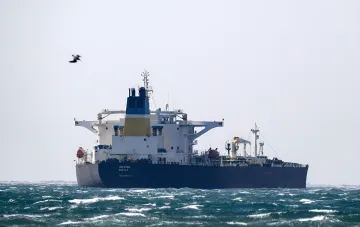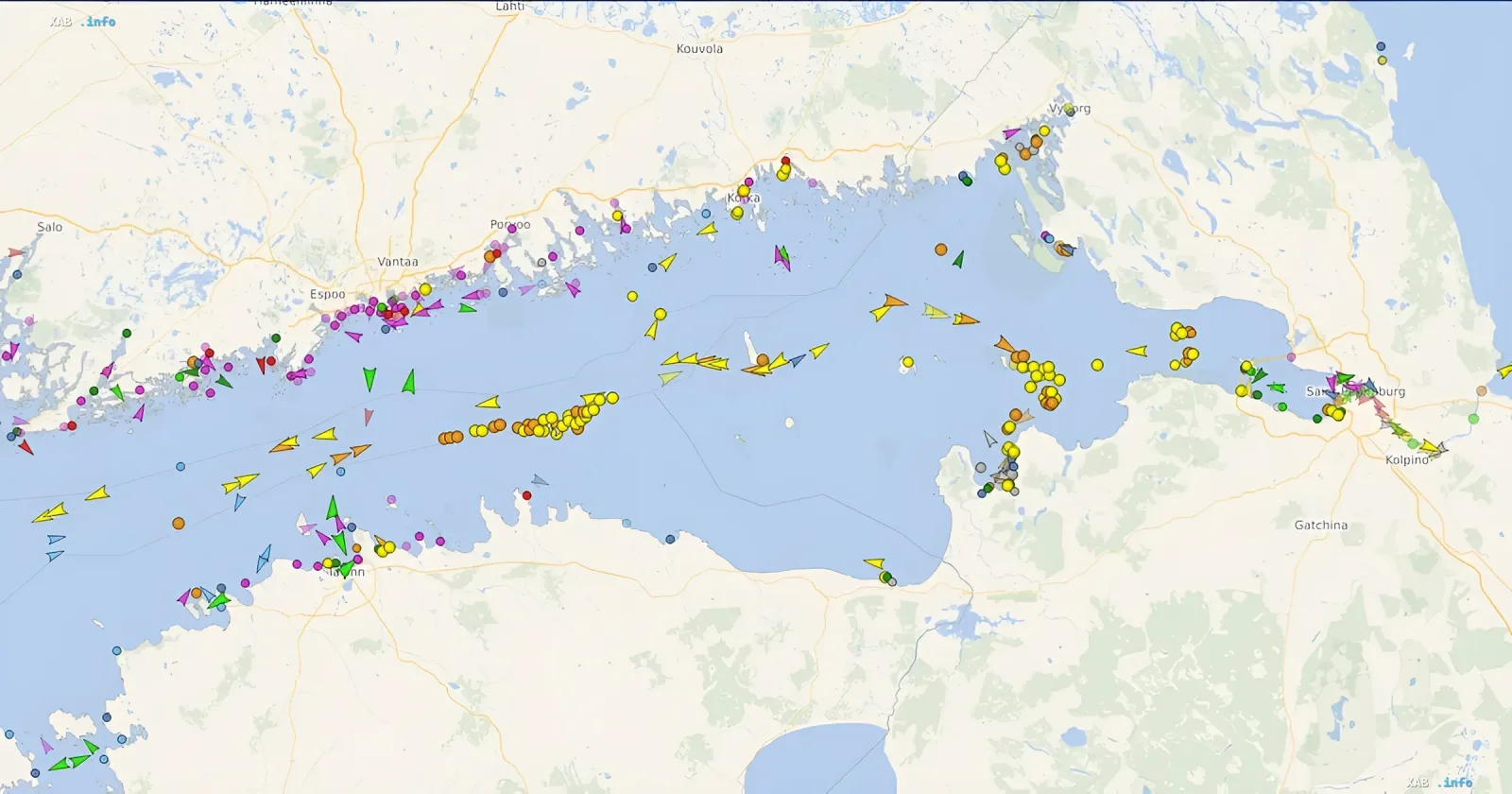
A massive transport blockade has been recorded in the waters of the Gulf of Finland, where about 150 ships have lined up in a record 60-kilometer queue waiting for permission to enter northern Russian ports. This crisis in the Baltic direction is the result of major logistics changes caused by escalating threats and attacks in the Black Sea region.
According to the Russian Forces Spotter analytical group, as of late September, a total of about 200 vessels are in the area, of which 111 are oil tankers and 83 are cargo carriers. Specifically, 65 tankers and 85 bulk carriers are directly waiting to enter ports, and the waiting time at the Ust-Luga port alone can stretch up to five days under current conditions.
Background and causes of the logistical collapse
A sharp surge in traffic and the formation of giant bottlenecks began to be recorded in mid-August. While at the beginning of summer no more than a dozen boats were simultaneously located in this zone on monitoring maps, by September this figure jumped to 30-40 vessels daily. The main reason for redirecting trade and shadow flows to the Baltic Sea was systemic risks in the Black Sea, where Russian and Russia-linked vessels have repeatedly become targets for Ukrainian drone strikes.
Contradictory data
Despite the general picture of a massive traffic jam, experts and media outlets diverge in their assessments regarding the exact distribution of vessels and the nature of transported cargo. Some sources emphasize the dominance of the so-called "shadow fleet" used to circumvent sanctions on Russian oil exports. At the same time, Reuters previously reported on maneuvers by Russian authorities to free up export capacities in Baltic ports by redirecting Kazakh oil to Novorossiysk, which creates additional overlapping routing chains and increases overall pressure on port infrastructure.
Consequences for regional shipping
The accumulation of vessels approaching the key port of Ust-Luga creates serious maritime safety risks and environmental threats in the confined waters of the Gulf of Finland. Traffic density 120 kilometers from the port terminals has exceeded all historical records, and prolonged waiting in neutral and territorial waters increases financial costs for shipowners and disrupts energy supply schedules to international markets.