The global economy and the geopolitical map of the Middle East could undergo significant changes in the coming days. US Treasury Secretary Scott Bessent stated in an interview with CNBC that Washington and Tehran are on the home stretch of negotiations regarding the opening of the Strait of Hormuz.
According to Bessent, the parties are engaged in active dialogue, and the probability of reaching an agreement that will return commercial shipping to normal is assessed as extremely high. "We are negotiating with the Iranians. There is a chance that we can reach an agreement today or tomorrow to open the strait and move towards a more normalized position in this conflict," the American official emphasized.
Economic Impact: Oil Prices Fall
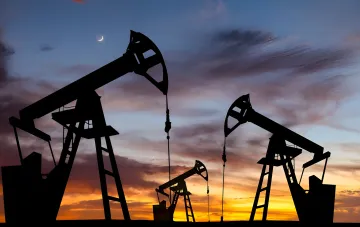
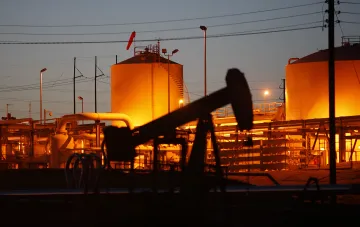
Markets reacted instantly to the minister's statement. Crude oil futures in the US showed a sharp decline, dropping by approximately 4% and falling below the $77 per barrel mark. Experts link this to the expectation of lifting logistical restrictions.
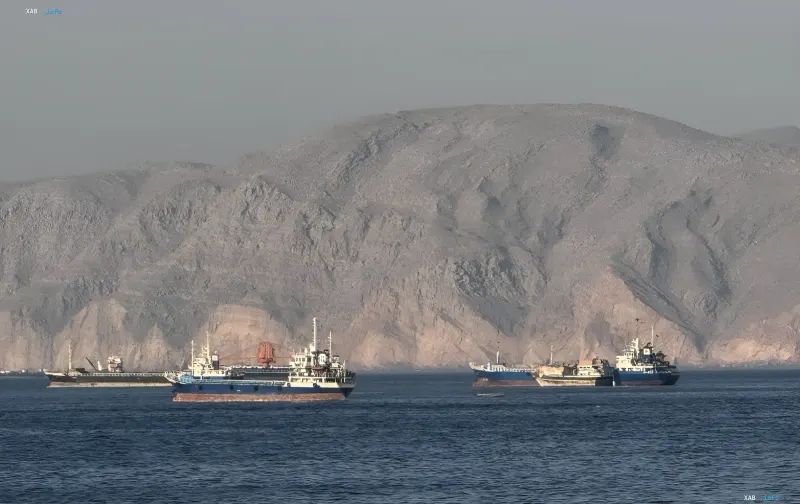
Bessent predicts a further drop in energy prices once the strait is officially opened. According to him, hundreds, if not thousands, of ships are currently waiting in the waters for permission to pass. Removing this "bottleneck" will allow the market to be saturated and reduce speculative fever.
Agreement Details: Oman's Role and Traffic Control
A key point of the negotiations remains the issue of control over shipping. Iran insists on the right to control incoming traffic and have the ability to intervene in the outgoing flow. According to information obtained by Reuters from a senior Iranian source, the parties are discussing a temporary plan developed with Oman's mediation.
The essence of the proposal is as follows:
- Iran retains control over incoming shipping.
- The outgoing route will pass between Iran and Oman.
- Permission for ships to exit will be issued through Oman after notification from Tehran.
At the same time, the Iranian side is demonstrating certain flexibility by abandoning the demand for full control over movement in both directions. The source noted that Tehran is unlikely to change its position on this issue, as the current compromise already takes their security interests into account.
Trump's Expectations and Prospects
Optimism in Washington is shared by US President Donald Trump. He stated that negotiations are progressing rapidly, and the full resumption of shipping in the Strait of Hormuz is being discussed as early as August 4. Earlier, on the same day, oil prices spiked again due to uncertainty in the diplomatic process, however, Bessent's latest statements give hope for a stabilization of the situation.
The agreement, if signed, provides for freedom of movement in the strait in exchange for a reciprocal step — allowing Iran to charge fees for ship passage. Despite the situation in the region remaining tense, the fact that ships are already beginning to exit the strait indicates that a thaw may come sooner than expected.