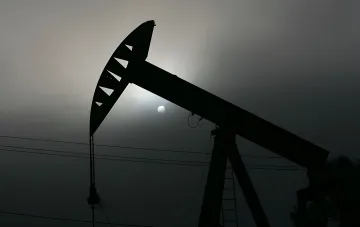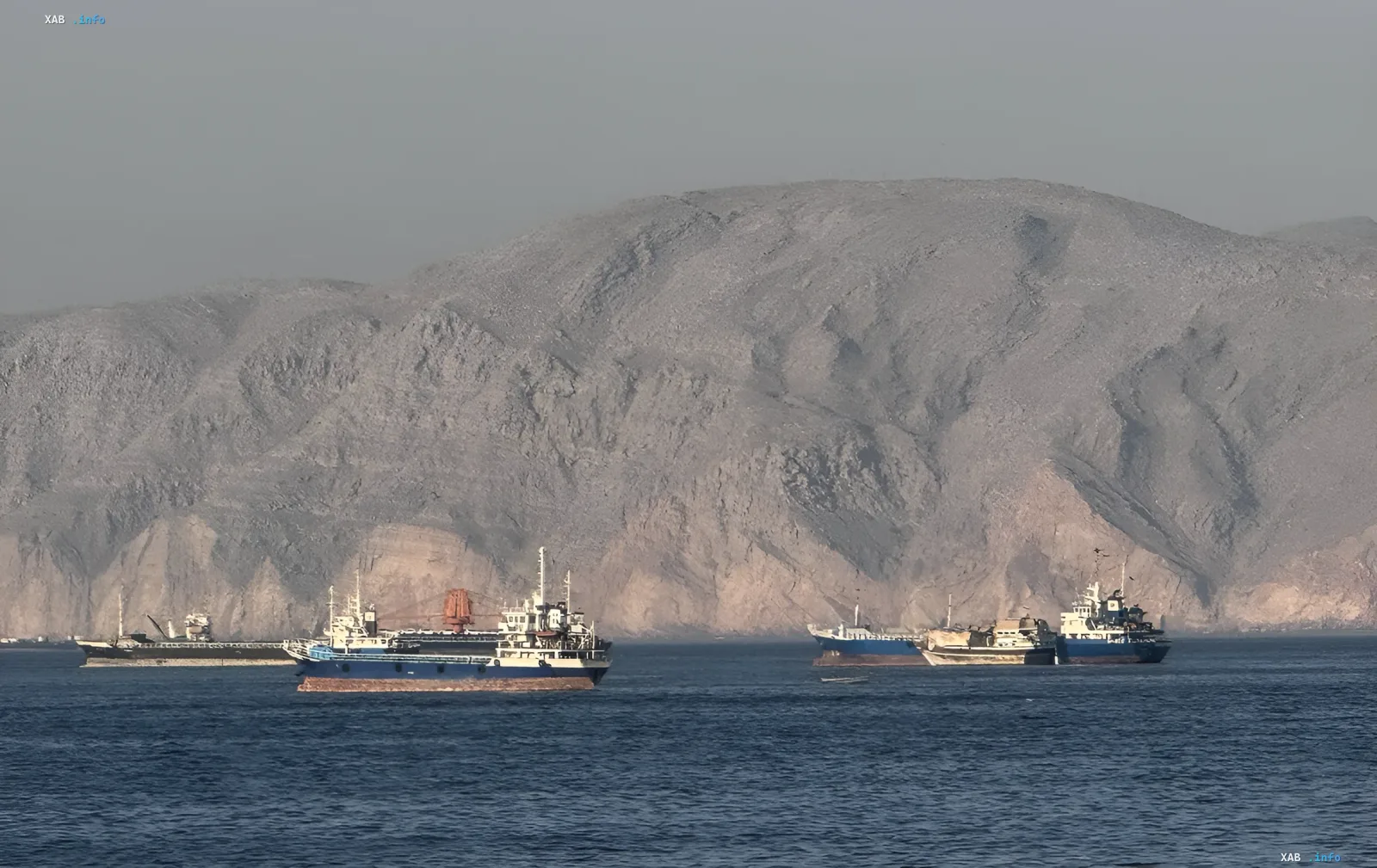
Energy markets reacted on Friday, August 14, 2026, to an escalation in geopolitical tensions. Oil prices rose after the United States officially threatened Iran with an indefinite naval blockade. This statement became a new catalyst for investors who fear disruptions in the supply of "black gold" from the Middle East.
Brent and WTI Price Dynamics
As of 02:47 GMT, futures for the benchmark Brent crude rose by 1 cent, or 0.1%, reaching $87.08 per barrel. The American grade West Texas Intermediate (WTI) showed a more confident increase, adding 6 cents and settling at $81.31 per barrel. Analysts note that even a minimal rise in the current volatility indicates that the market perceives the threat of a blockade as a serious risk to global logistics.
"Maximum Pressure" Strategy and the Role of Scott Bessent
The key driver of the growth was the position of the US Department of the Treasury. Treasury Secretary Scott Bessent stated that Washington is preparing unprecedented measures against Tehran. According to him, next week the White House will officially announce decisions that will take the economic isolation of Iran to a new level. Bessent explained that the current campaign is a continuation and intensification of the policy initiated in 2025 by President Donald Trump, who ordered the resumption of the "maximum pressure" strategy on the Iranian regime. Now, financial pressure is directly combined with the physical blockade of Iranian ports.
Risk Balance: Geopolitics vs. Demand
However, the price increase was not explosive due to the presence of restraining factors. OPEC and the International Energy Agency (IEA) revised their forecasts this week, lowering expectations for global energy demand growth. Furthermore, official data from the US showed the most significant weekly increase in domestic oil inventories in more than three and a half years. This creates a paradoxical situation: the market is under pressure from two opposing signals — geopolitical risks are pushing prices up, while fears of overproduction and weak demand are limiting the potential for price increases.
Contradictory Data
In the current situation, there is a divergence in assessing the impact of the blockade on actual supplies. On the one hand, US officials insist that the measures are preventive and aimed at isolating the regime, which should lead to a reduction in oil exports from Iran and a rise in prices. On the other hand, data on the record increase in US inventories indicates that the global supply currently remains excessive. Experts are debating whether the threat of a blockade can outweigh the fundamental economic indicators of market oversaturation, or if prices will remain in a narrow corridor despite the rhetorical escalation.