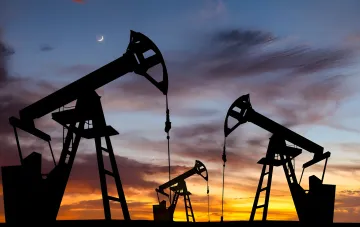
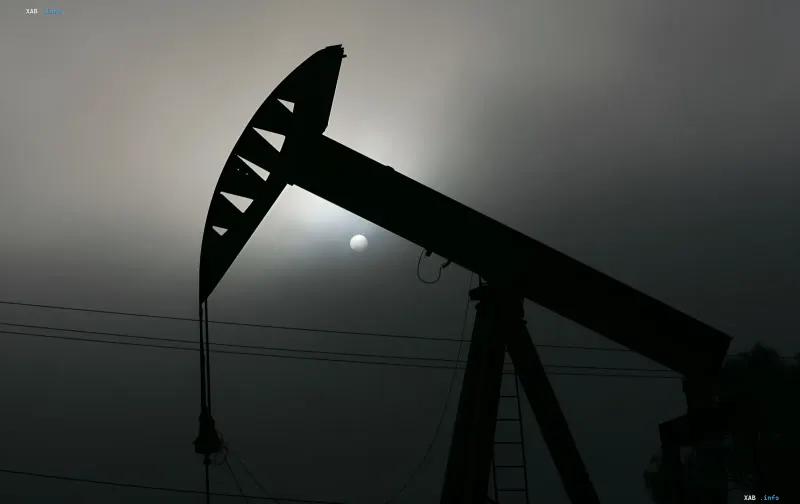
Energy markets on August 12, 2026, faced a new wave of volatility driven by escalating geopolitical tensions in key trade hubs of the Middle East. Brent crude futures rose by 0.81%, reaching $89.63 per barrel, while the American benchmark WTI gained 0.85% and settled at $83.91. This increase is a direct consequence of the escalating conflict involving US forces and Iran-backed Houthi rebels, as well as Tehran's strict demands for control over the Strait of Hormuz.
Blockade of the Strait of Hormuz and the Threat of Logistical Collapse
The key factor driving up the price of "black gold" was a statement by senior Iranian official Mohsen Rezaei. According to him, the Strait of Hormuz will remain closed to shipping until the US meets Tehran's demands, including the unfreezing of Iranian assets. Statistics confirm the seriousness of the threat: on August 10, only six ships passed through the strait, whereas in the pre-war period, daily traffic ranged from 125 to 140 vessels. Experts note that any further reduction in transit could lead to a critical supply deficit in the global market.
Escalation of Violence in the Red Sea and the Persian Gulf
The situation is exacerbated by a series of attacks on merchant vessels that occurred on August 11. US military and Houthi forces reported attacks near the Strait of Hormuz and the Bab el-Mandeb Strait. These incidents marked the culmination of tensions that began on August 10, when oil prices jumped 5% amid fading hopes for a peace agreement between Washington and Tehran. Analysts link the price increase to fears that the conflict could escalate into a full-scale war, completely paralyzing the region's energy logistics.
The Paradox of Reserves: Why Rising Supply Fails to Curb Prices
Interestingly, the rapid price increase is occurring despite data on US reserves. The American Petroleum Institute (API) reported a weekly increase in stocks of 9.1 million barrels, while the market expected a decline. Usually, a supply surplus should lower raw material costs; however, under current conditions, geopolitical risks completely outweigh fundamental economic indicators. Investors prefer to factor in the fear of potential supply blockades, ignoring the temporary surplus in warehouses.
Contradictory Data
There are disagreements within the expert community regarding the long-term prospects of the market. On one hand, analysts relying on API reserve data believe that the current price increase is a temporary reaction to panic and could correct downwards if logistics are not fully blocked. On the other hand, proponents of the "oil shock" scenario point to historical precedents and current Iranian statements, predicting that prices could breach the psychological mark of $100 per barrel if the US does not make concessions. Furthermore, some sources indicate that Russia, despite high oil revenues, is facing serious budgetary problems, which could influence overall market dynamics, although exact data on this issue varies.
Political Context and Threats from the US
Against the backdrop of economic pressure, tough statements are being heard in Washington. Earlier, there were reports of threats from US President Donald Trump directed at Tehran, adding uncertainty to the negotiation process. The combination of military attacks, a diplomatic deadlock, and the threat of closing strategic straits creates a "perfect storm" for the oil market. In the coming days, investors must watch the US reaction to Iran's demands, as this factor will determine whether the current price increase marks the beginning of a long-term trend or a short-term speculation.