Global energy markets continue to experience high volatility. As of August 19, 2026, oil prices have shown growth for the fourth consecutive trading day. Brent crude futures rose by 0.8% to $91.71 per barrel, while the American West Texas Intermediate (WTI) grade gained 0.9%, reaching $85.70. Investors are reacting to escalating geopolitical tensions in the Persian Gulf, where the key factor remains the status of the Strait of Hormuz — the main artery of global hydrocarbon trade.
Geopolitical deadlock: the positions of the US and Iran
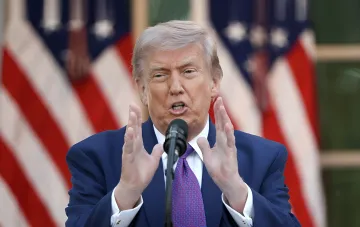
The main driver of price increases is the lack of a clear consensus between Washington and Tehran regarding the resumption of shipping. US President Donald Trump, in his recent statements, reiterated his intention to declare the Strait of Hormuz US territory, which has provoked a sharp reaction in the region. At the same time, official Tehran maintains a hardline position: Iran has stated that the strait will not be opened to international shipping until the United States fulfills all conditions outlined in the so-called "Islamabad Memorandum of Understanding".
Logistical collapse and alternative routes
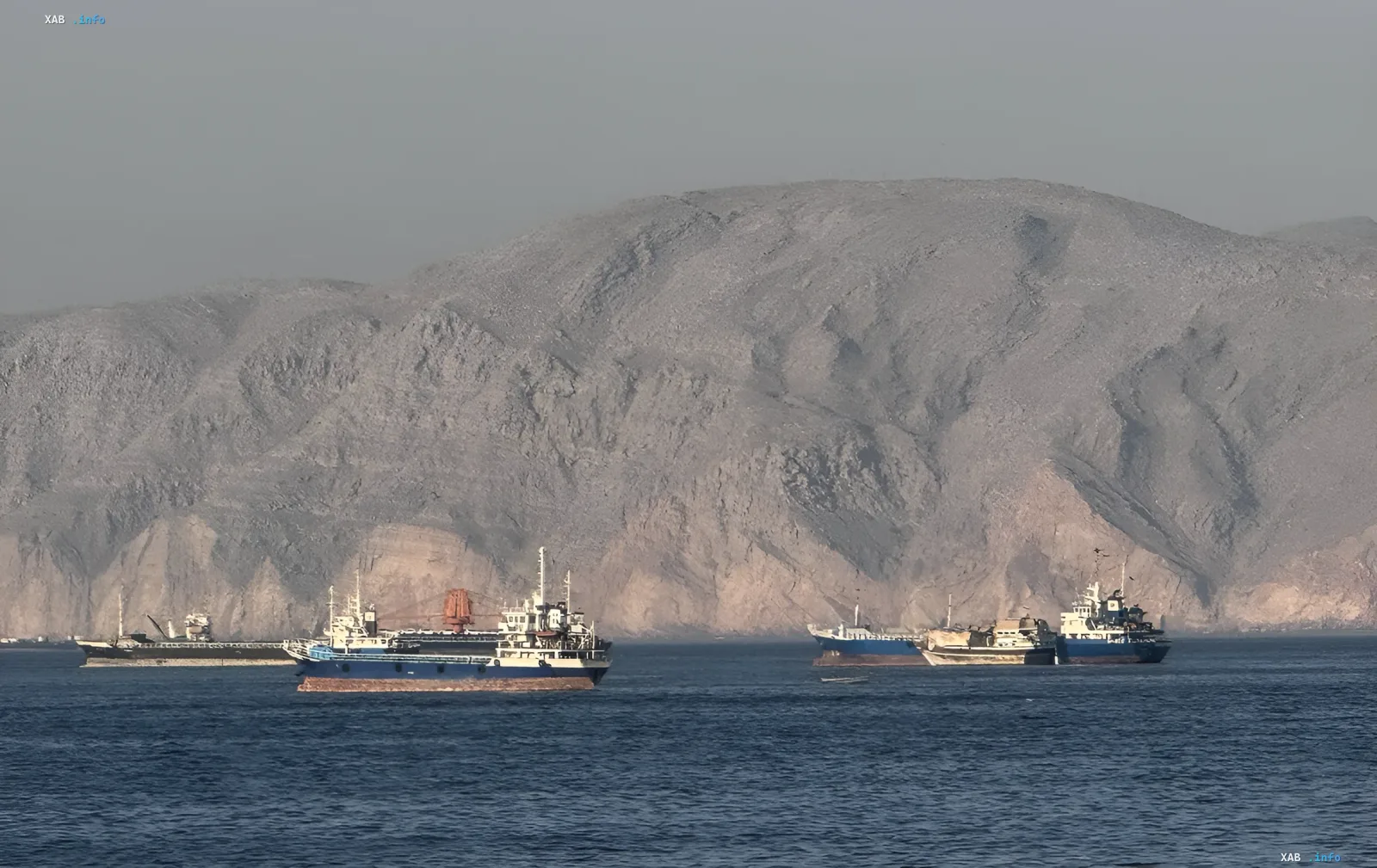
Due to the lack of security guarantees, ship movement through the strait has slowed significantly. Most shipowners prefer to avoid this narrow waterway, fearing attacks by Iranian forces and Houthi rebels. In response to the crisis, the Iraqi government has already approved mechanisms for exporting its crude oil through specialized companies, using alternative routes and markets to minimize losses from the blockade. Analysts note that shipping risks remain high, supporting oil prices in the near term.
Contradictory data
The situation surrounding the Strait of Hormuz is characterized by serious disagreements in the interpretation of facts. On the one hand, market analysts and Western sources point out that the strait is de facto closed to safe transit, confirmed by the slowdown in ship movement and rising prices. On the other hand, there are statements that Iran is ready for dialogue but demands the lifting of the blockade and embargo. While one side insists on sovereignty over the strait, the other demands full compliance with the agreement, which Tehran believes was violated. This duality creates an information vacuum that speculators use to pressure quotes.
Expert forecasts and escalation risks
According to June Go, a senior oil market analyst at Sparta Commodities, the current situation sets a precedent for long-term price pressure. "Attacks remain prevalent in both key choke points," the expert notes. Furthermore, Iran is preparing infrastructure for a possible escalation not only in the area of the strait but also in the wider Middle East region. Trading in the previous session (August 18) ended at the highest level in more than three weeks, indicating investors' pessimistic expectations regarding a speedy peace agreement.