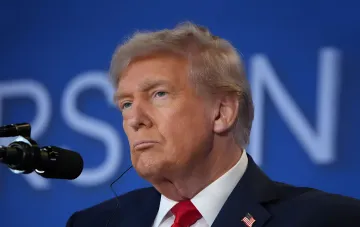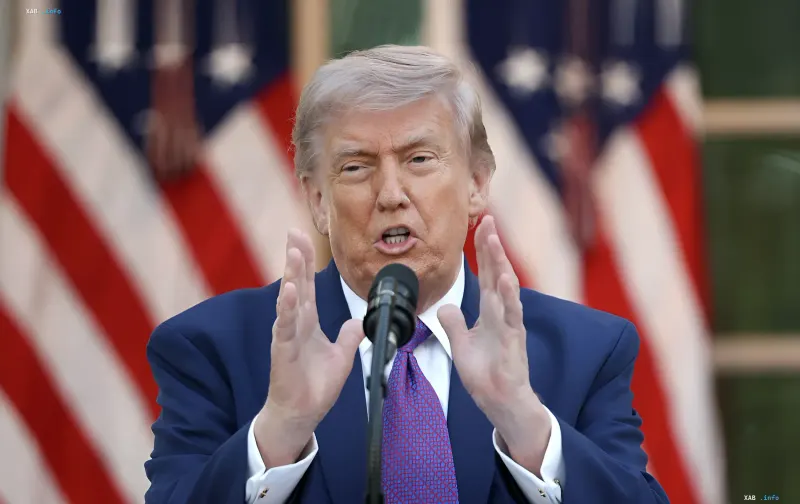
Amid growing geopolitical tensions in the Persian Gulf, US President Donald Trump outlined the country's strategy for energy independence in his latest speech. In an interview broadcast on Fox News, the White House chief stated that the United States has a full-fledged alternative to importing oil through the Strait of Hormuz, which has traditionally been the "bottleneck" of global hydrocarbon trade.
Domestic Reserves as a Strategic Shield
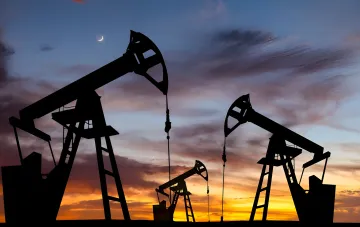
Trump directly pointed to key production regions capable of meeting economic needs and reducing dependence on the Middle East. "You know the alternatives: Texas, Alaska, Louisiana. People come to the US for oil," the President emphasized. This thesis confirms the course of maximizing domestic production that the administration has been pursuing in recent years. According to experts, the focus on these states is intended to calm markets amid rumors of a possible blockade of the strait.
Declaration of Full Control Over Hormuz
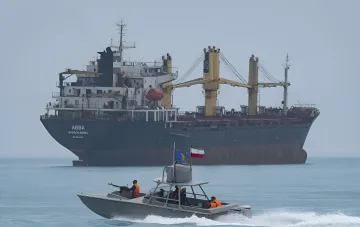
Aside from issues of domestic production, Trump touched on the topic of maritime route security. He assured the audience that the US has full control over the Strait of Hormuz, despite aggressive rhetoric from Tehran. Previously, the President had stated plans to declare this strategic waterway US territory, which provoked a sharp reaction in diplomatic circles. Trump also touched on the topic of Iran's nuclear program, stating that Iran cannot possess nuclear weapons because "they use it," hinting at the impossibility of hiding such tests.
Contradictory Data
Despite the confidence in the American leader's statements, the situation on the ground looks more complex. While Trump declares control over the strait and the existence of agreements, Iran states its readiness to block the key route. Tehran emphasizes that Hormuz cannot be "captured" via social media posts, aircraft carriers, or campaign speeches. Moreover, oil prices continue to rise for the fourth day in a row, indicating that the market does not yet believe in the full safety of supplies and perceives the statements of both sides as contradictory.
Market Reaction and Prospects
The rise in energy prices against the backdrop of these events indicates that investors fear an escalation of the conflict. Trump's statements about agreements with Iran, which were previously voiced in the media, have not yet found confirmation in the form of the actual opening of the strait for unimpeded navigation. Experts note that, although the US has powerful domestic production in Texas and Louisiana, a full replacement of Hormuz transit is a long-term task, and in the short term, the market remains vulnerable to geopolitical shocks.