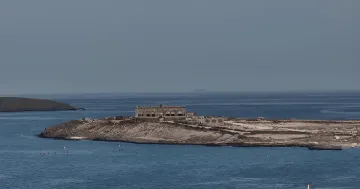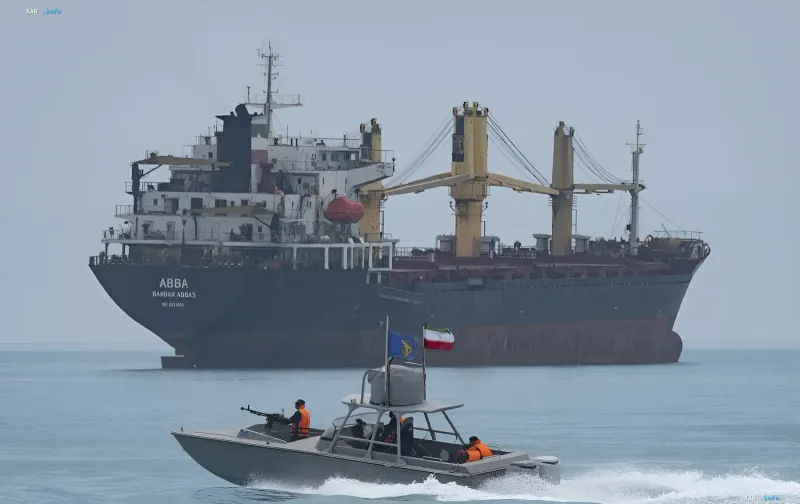
On August 16, 2026, the global energy map undergoes radical changes. Despite the escalation of the military conflict with Iran and systematic attacks on civilian vessels, exporters from the Persian Gulf have found a way to continue supplying "black gold." A large-scale ship-to-ship oil transfer operation has unfolded in the Gulf of Oman, off the coast of Oman. This scheme, known as "shuttle transport," allows producers to bypass direct routes through dangerous zones and avoid acute shortages in the global market.
Scale of "Dark" Transits and Survival Logistics
According to data from analytical agencies, the volume of such covert shipments has reached a critical mark of 4 million barrels per day. Vessels participating in this operation cross the Strait of Hormuz with their AIS transponders turned off, making them invisible to radar and allowing them to minimize the risk of attacks. This logistical chain involves not only the UAE but also Iraq, Qatar, and Kuwait. Industry representatives call this a "dark agreement," the only option for survival for those unwilling to risk direct attacks on their fleets.
Impact on Prices: From Panic to Stabilization
Thanks to this complex system of shuttle transport, as well as the use of alternative pipelines and the release of strategic reserves, the oil market is demonstrating unexpected resilience. In August 2026, Brent crude oil prices are holding in the range of $80–90 per barrel. This is significantly lower than the initial forecasts of experts, who feared a price spike to $150 against the backdrop of a complete closure of the strait. The mechanism of secret supplies is effectively curbing inflationary pressure on the global economy.
UAE Position: Commitments Despite Threats
The state oil giant of the UAE, Abu Dhabi National Oil Co. (Adnoc), confirmed its intention to continue supplies despite the constant security threat. The company stated that it is fulfilling its duty to supply energy to global markets, but emphasized that it bears the direct consequences of unprovoked attacks. "Our people, ships, and facilities are under increased risk, which disrupts critical energy flows," noted the Adnoc press office, emphasizing that the safety of seafarers remains under threat.
Geopolitical Crisis: Trump's "Fantastic Illusions"
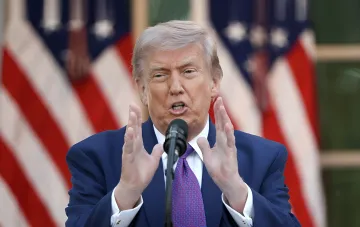
The conflict over the status of this strategic maritime artery intensified following a statement by US President Donald Trump regarding his intention to recognize the Strait of Hormuz as US territory. Despite the fact that legally the strait is under the jurisdiction of Iran and Oman, Washington plans to secure its rights to this region. Official Tehran reacted sharply to these initiatives, calling them "fantastic illusions" and stating that sovereignty cannot be taken away by a social media post. The Iranian side warned of its readiness to block the trade route in the event of further pressure.
Contradictory Data
There is a discrepancy in assessments of the safety and effectiveness of the current strategy. On one hand, representatives of Adnoc and other companies claim that the shuttle transport scheme is successfully handling supplies and keeping prices stable. On the other hand, market experts, such as Pankaj Hanna (Heidmar Maritime Holdings Corp.), describe the situation as extremely risky, noting that many ship owners are refusing voyages. Furthermore, data on the exact number of intercepted vessels and actual losses remains classified, creating uncertainty regarding the long-term sustainability of this "shadow" logistics.