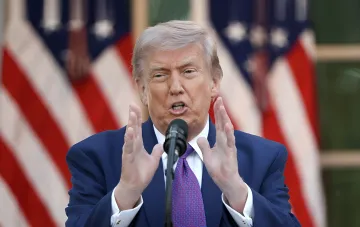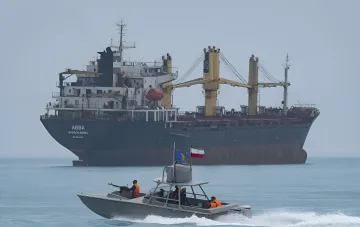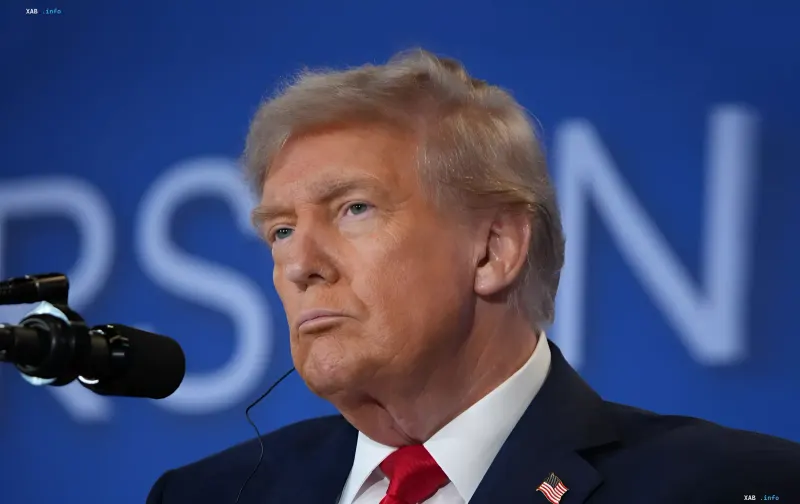
Amid rising tensions in the Middle East, US President Donald Trump has once again voiced radical plans to secure the Strait of Hormuz. In his latest statement, the White House chief confirmed that Washington intends to take full control of shipping in this strategically vital chokepoint, through which a significant portion of global oil shipments pass.
New Concept: "Guardian of the Strait" and a 20% Fee
Instead of a legal annexation, which unreliable sources might have speculated about, Trump has returned to his concept that the US should become the official "Guardian of the Strait of Hormuz." As part of this initiative, the American administration proposes charging a 20% fee on all commercial vessels passing through the strait. In exchange for this toll, Washington guarantees military escort and protection against threats from Iran. Trump emphasized that the US is already exporting millions of barrels of oil weekly, but the situation requires more radical measures to stabilize prices and ensure uninterrupted supplies.
Harsh Rhetoric Directed at Tehran
The US President used extremely harsh rhetoric to describe the current state of Iran. Trump stated that Tehran has "big problems," pointing to internal disorder and, in his words, a "decimated army." He also made it clear that the US does not seek to extend any agreements similar to a Memorandum of Understanding unless Iran changes its policy. "They will continue to fall if we do not decide to do something much more radical," warned the American leader, hinting at the possible use of military force to compel peace.
Iran's Response: Shift to Offensive Policy
In response to Washington's statements, Tehran has adopted a hardline defensive stance. Iranian leaders officially declared a shift to an offensive security policy. The country's authorities gave the US a few weeks to meet demands, threatening a military response if negotiations fail. Sources report that instead of relying on diplomacy, Iran's leadership has spent the last few months preparing for a more serious conflict. Iran's Deputy Foreign Minister Kazem Garibabadi reacted sharply to Trump's initiatives, stating readiness to block the strait in response to any attempts at external pressure.
Contradictory Data
Divergences have arisen in the information space regarding the exact wording of Trump's statements. Some initial media reports erroneously interpreted the President's words as an intention to declare the Strait of Hormuz "US territory" in a legal sense. However, fact-checking confirms that the discussion concerns a concept of controlling security and economic exploitation of the strait through a tariff system, not territorial annexation. Trump's supporters view this as a necessary step to protect economic interests, while critics and international law experts consider such statements a violation of conventions on freedom of navigation and a provocation capable of leading to a full-scale war.