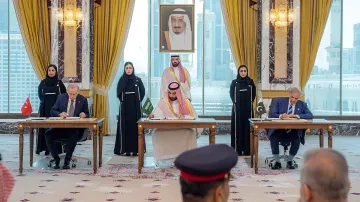
On August 7, 2026, an event took place in Mecca that could radically alter the geopolitical map of the Middle East. Leaders of three key regional powers — Saudi Arabia's Crown Prince Mohammed bin Salman, Turkish President Recep Tayyip Erdoğan, and Pakistani Prime Minister Shehbaz Sharif — signed a historic mutual defense agreement. The document, which the parties worked on for about a year, introduces the principle of collective defense: any attack on one of the pact's members will be considered aggression against all three countries.
Strategic Alliance Amidst Crisis
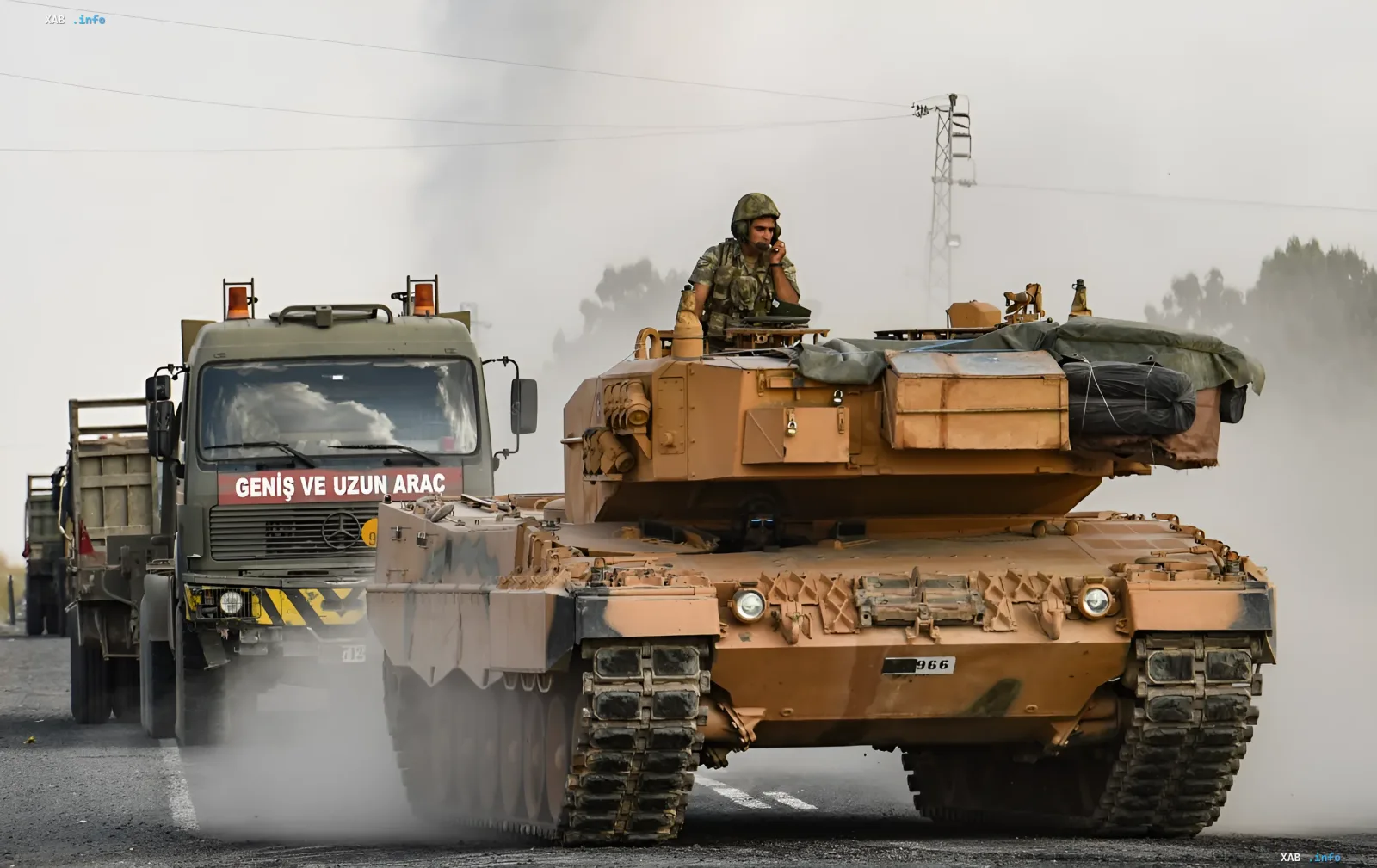
The signing of the agreement occurred against the backdrop of a sharp escalation in the region. Iran and its proxy forces have significantly intensified sabotage activities in recent months, striking the energy and transport infrastructure of Persian Gulf countries. In response to these threats, the three states decided to pool their resources to strengthen collective deterrence. Saudi Arabia, the world's largest oil exporter; Turkey, which possesses the second-largest army in NATO; and Pakistan, the only nuclear-armed Muslim state, have created a powerful security triad.
Nature of Commitments and Diplomatic Statements
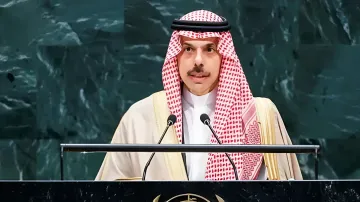
Despite the seriousness of the wording, the details of military commitments in the text of the agreement remain vague. The parties did not specify concrete mechanisms for responding to aggression, leaving room for maneuver depending on future circumstances. Turkish Vice President Cevdet Yılmaz, during the signing ceremony, emphasized that the pact is exclusively defensive in nature and is not directed against any specific state. He also noted that the new alliance does not cancel existing agreements between the participants and other countries, including their obligations to NATO.
Regional Reaction and Global Consequences
A Saudi representative separately stated that the new pact is not the creation of a military or sectarian bloc and is not linked to nuclear ambitions or an arms race. However, analysts note that the unification of countries with such military potential could trigger a chain reaction in the region. Iran has already warned the Persian Gulf countries that in the event of new US strikes on its territory, Tehran may launch retaliatory strikes against regional states and their energy infrastructure.
Contradictory Data
While the main facts about the signing of the agreement are confirmed by all sources, there are discrepancies in the interpretation of its scale. Some experts believe this is the beginning of the formation of a full-fledged military bloc similar to NATO, while officials of the participating countries insist that it is merely a framework agreement on consultations and coordination. Furthermore, there is no consensus on exactly what types of weapons and contingents could be deployed in the event of activating the mutual defense clause.
Prospects for Development
The creation of this defense alliance could become a turning point in regional politics. It not only strengthens the positions of the three countries in the face of common threats but also creates a new center of power that will influence the balance of interests in the Middle East. In the coming months, the international community will closely watch how exactly this pact will be implemented and what consequences it will entail for global security.