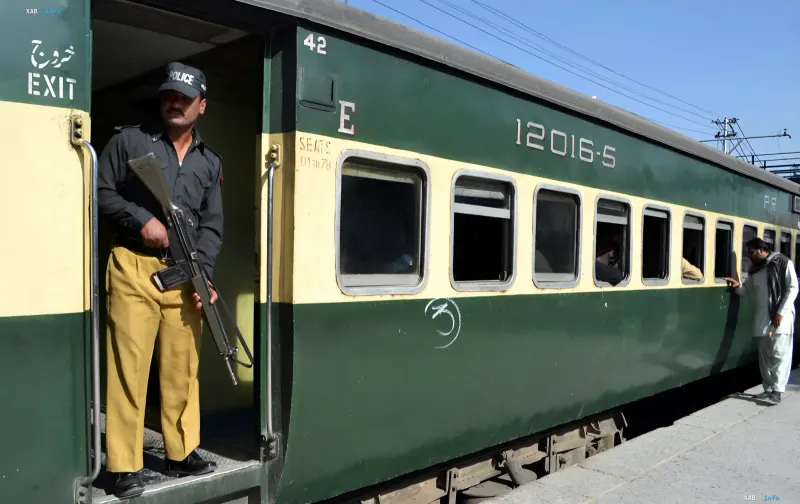
Relations between Pakistan and India have once again reached the brink of a major crisis following a tragic border incident resulting in fatalities. Official Islamabad announced it summoned India's chargé d'affaires to lodge a strong protest over the killing of two civilian Pakistani citizens. According to the Pakistani Foreign Ministry, the incident occurred on Friday, October 2, 2026, and was the result of unprovoked deadly force used by Indian border guards against unarmed individuals.
Islamabad's Reaction and Demands for Investigation
The Pakistani side categorically rejected any attempts by New Delhi to portray the victims as saboteurs or armed militants. Pakistani authorities demanded that the Indian leadership immediately conduct a transparent and credible investigation into the incident, bring those responsible to disciplinary and legal justice, and officially inform Islamabad of the findings. Diplomatic circles emphasize that such actions by border forces create a dangerous precedent for escalating tensions in an already volatile region.
Retaliatory Measures and New Delhi's Stance
In turn, the Indian side responded symmetrically to the diplomatic démarche by summoning Pakistan's chargé d'affaires to lodge its own protest. Official New Delhi strongly rejected all accusations leveled by the Pakistani foreign ministry. According to the Indian version, the event is part of a recurring pattern of cross-border activity by armed drug syndicates and terrorist elements allegedly operating from Pakistani territory. India demanded that the neighboring government take proper remedial measures to correct the situation at the border.
Contradictory Data
The primary contradiction in the current crisis remains the diametrically opposed interpretations of the incident by the two states. Pakistan insists that the victims were unarmed civilians who became targets of unjustified aggression by regular forces. India, however, claims it was suppressing illegal cross-border activity and links the event to drug trafficking and security threats. Both sides place the blame on each other, precluding any immediate consensus and deepening the diplomatic deadlock.
Historical Context and Regional Risks
Tensions between the two nuclear-armed nations have remained high for decades. Since gaining independence in 1947, Pakistan and India have fought four major wars, and recent armed clashes triggered by fatalities in the disputed Kashmir region have once again reminded the world of the fragility of regional stability. Back then, the Indian side classified the incident as a terrorist attack and blamed Pakistan, a claim Islamabad consistently denies, fearing a repetition of a large-scale military conflict.