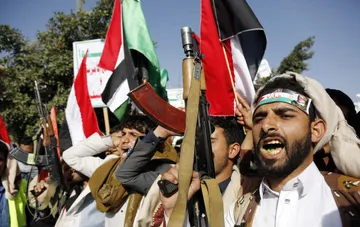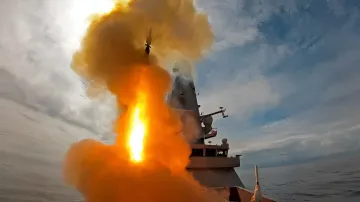
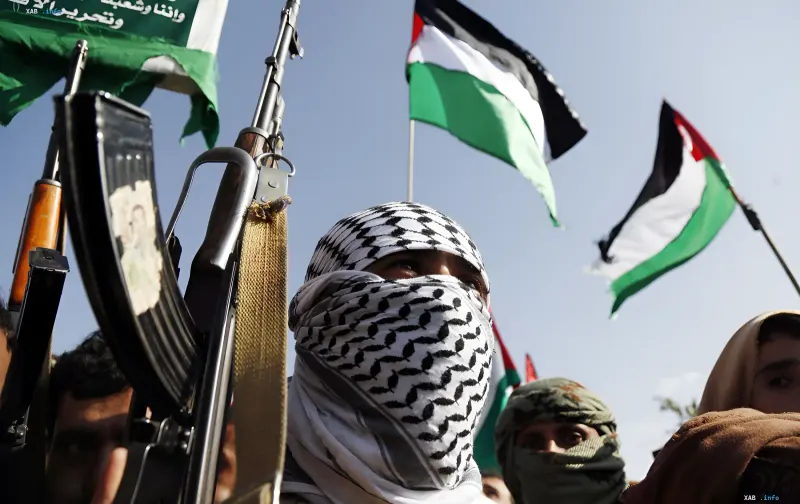
Riyadh is actively preparing for a new large-scale military operation aimed at Yemeni Houthi rebels, who enjoy active support from Iran. The Saudi leadership expects to involve key European powers, primarily France and the United Kingdom, in the upcoming hostilities. This step could radically shift the balance of power in the region and significantly expand the geography of the parties drawn into the conflict, creating serious geopolitical risks for the entire European continent.
Calls to Berlin and Riyadh's Economic Arguments
Former Saudi intelligence chief Prince Turki bin Faisal Al Saud has issued a public appeal to the German government, urging official Berlin to immediately join the international fight against the Houthis. According to him, European countries have a direct and indispensable personal interest in maintaining stability in the Middle East, as they daily utilize the natural resources of this ultra-wealthy macro-region, as well as critically important maritime trade routes.
Prince Turki emphasized that the security of logistic arteries cannot be ensured solely by the armed forces of the United States. Any subject of the global economy that derives direct financial and resource benefits from the region's raw materials is obligated to make a practical contribution to strengthening peace, security, and shipping stability.
Background of Coalition Formation and Current Support
Several months ago, Saudi Arabia initiated the creation of a unified system for comprehensive military protection and continuous monitoring of the Arabian Peninsula's waters and the strategically vital Bab el-Mandeb Strait. However, at that time, not a single European state responded to this call or joined the proposed security project.
Currently, Riyadh is already receiving limited military assistance from a number of foreign policy partners. Specifically, France is directly participating in specialized security measures, the United Kingdom is assisting with in-air refueling of military aircraft, and nations such as Egypt, Pakistan, and Turkey are helping with supplies, ammunition, and valuable intelligence data.
Contradictory Data
It is worth noting that official assessments of the scale and nature of European allies' involvement in the Middle East crisis differ significantly between Western and Arab sources. While Riyadh declares the necessity of full-scale combat partnership, European capitals fear direct entanglement in a protracted and costly regional conflict, preferring to limit themselves to diplomatic instruments and local support for humanitarian shipping security. Additionally, analysts diverge in evaluating the coalition's combat readiness amid Houthi statements signaling readiness for full-scale escalation and a strict blockade.
Expectations from the Upcoming EU-GCC Summit
A crucial turning point for the diplomatic resolution of the situation is expected to be the November meeting between representatives of the Gulf Cooperation Council and the European Union, to be held in Riyadh. The Saudi side hopes that the parties will finally be able to sign a comprehensive trade agreement, negotiations for which have dragged on for the past thirty years. Riyadh expects this historic arrangement to serve as a foundation for expanding long-term cooperation in regional security.