The United States is urgently evacuating some diplomatic personnel and their families from Middle East countries amid growing concerns over a potential escalation of the regional conflict. This decision was issued by the U.S. Department of State and covers several key nations in the region where American missions are stationed.
Reasons for Evacuation and State Department Order
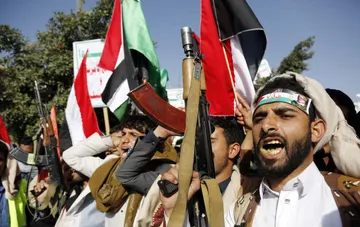
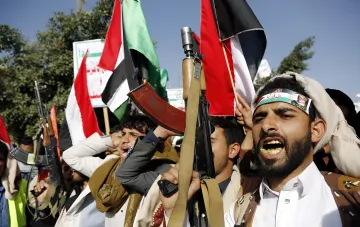
This week, the U.S. State Department officially ordered the evacuation of non-emergency personnel and all family members from Saudi Arabia. According to officials, this directive came in direct response to escalating conflict and intensified attacks by Houthi forces, who have regularly targeted critical infrastructure and civilian sites in Saudi Arabia, including airports.
State Department spokesperson Tommy Pigott confirmed that the official order applies specifically to U.S. government employees who do not perform critical functions in Saudi Arabia. However, the situation extends far beyond a single country as Washington takes preventive measures against general instability across the Persian Gulf zone.
Widespread Adjustment of Regional Embassies
Alongside official measures in Saudi Arabia, sources within U.S. diplomatic circles report that the United States is quietly adjusting staff numbers at several other embassies across the Middle East without public announcements. This list includes Jordan, Bahrain, Kuwait, Qatar, the UAE, and Lebanon.
Many diplomats and mission employees note extremely difficult organizational conditions, as some of those leaving only recently returned to their posts following previous evacuations during the standoff with Iran. Sources in diplomatic circles characterize the situation as chaotic, causing severe fatigue among personnel.
Political Context and Allies' Reactions
These Washington steps unfold against a broader geopolitical backdrop, including statements by U.S. President Donald Trump regarding the potential resumption of strikes against Iran following the midterm elections. Additionally, reports indicate that Israeli leadership is actively lobbying for quicker and more decisive actions against regional threats, though these requests have not yet resulted in immediate military steps by the U.S.
Significance of Events and Future Outlook
The large-scale redeployment and reduction of the U.S. diplomatic presence in the Middle East demonstrate a high level of anxiety in Washington regarding the safety of its personnel. Such measures typically foreshadow long-term tension and may indicate preparations for serious military and political transformations in the region. Further developments will depend on the behavior of pro-Iranian proxy groups, Houthi activity, and diplomatic efforts by key players to contain a large-scale crisis.