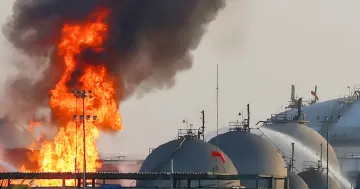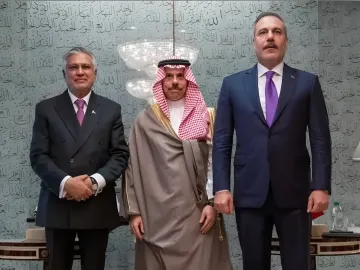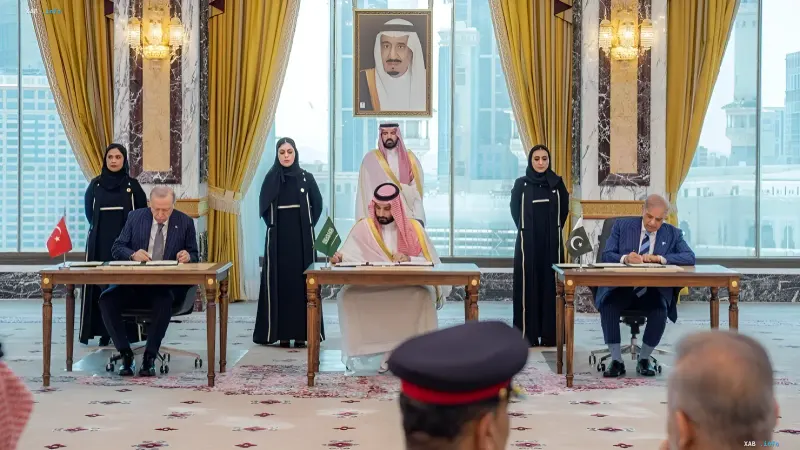
On September 25, an emergency meeting of military leaders from Saudi Arabia, Pakistan, and Turkey—constituting the newly formed Mecca Alliance—was held in Riyadh. The gathering was convened amidst ongoing missile and drone attacks by Houthi forces targeting critical infrastructure and civilian sites within Saudi Arabia.
Background and Essence of the Mecca Treaty
The new military-political bloc was formalized following the signing of the Mecca Mutual Defense Agreement on August 7. The core tenet of this pact dictates that any armed attack against a member state shall be considered an attack against all three nations, obligating the signatories to activate collective defense mechanisms.
Details of the Riyadh Meeting
The talks brought together Chief of Army Staff of Pakistan General Asim Munir, Chief of General Staff of Saudi Arabia Fayyad al-Ruwaili, and Chief of General Staff of Turkey Selçuk Bayraktaroğlu. The participants conducted a thorough assessment of regional security threats and reaffirmed their unwavering commitment to safeguarding the kingdom's sovereignty and territorial integrity.
Contradictory Data
Despite the stringent rhetoric regarding collective defense, analysts point out certain nuances in the allies' levels of engagement. Previously, Pakistani Defense Minister Khawaja Asif openly stated that strikes on Saudi Arabia could trigger the execution of the pact. Meanwhile, while expressing readiness to provide robust technical and military backing, Turkey maintains a degree of caution concerning direct military entanglement in the Yemen conflict.
Military Cooperation and Implications
Following the meeting, the Saudi Ministry of Defense officially announced agreements to strengthen intelligence sharing and foster deep integration of defense capabilities among the three nations. Experts believe this development marks a pivotal shift in the security architecture of the Middle East and South Asia.