Yemeni Houthi forces have launched a large-scale offensive using ballistic missiles, cruise missiles, and unmanned aerial vehicles targeting strategic energy facilities belonging to Saudi Aramco in Dhahran and Riyadh, as well as King Khalid International Airport. According to Houthi military spokesman Yahya Sarea, the strikes were a direct response to ongoing airstrikes by the Saudi-led coalition on the Yemeni capital of Sanaa and other parts of the country.
The escalation of the Middle East conflict is rapidly gathering momentum, threatening key energy supply routes and global economic stability. Amid continuous shelling, the international community has expressed deep concern over the safety of civil infrastructure and air travel in the region.
Consequences of the Attacks and Coalition Response
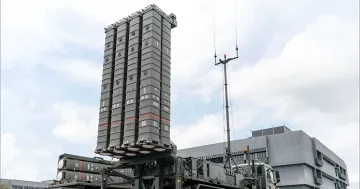
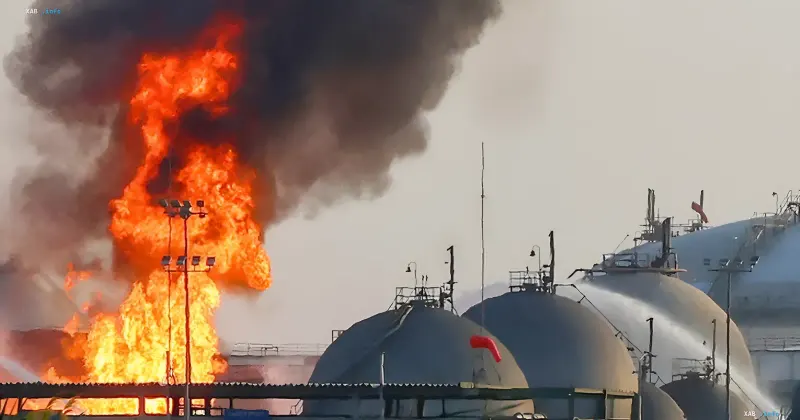
Saudi authorities and the military coalition reported intercepting at least nine aerial targets, with air defense systems neutralizing several incoming threats. However, falling debris from intercepted missiles in Riyadh injured four people and caused serious damage to fifteen residential homes. Additionally, a local fire broke out at the Aramco facility in Dhahran and was quickly extinguished by emergency services.
The series of recent incidents has severely disrupted regional transportation. The international airport in Saudi Arabia's capital faced widespread flight delays and cancellations, while several foreign airlines temporarily suspended flights to the destination. Tensions in the region remain critically high.
Contradictory Data
Significant discrepancies persist in the assessment of damage scales reported by the opposing sides. The Houthi press service insists that all launched missiles and drones successfully hit their intended targets, inflicting critical infrastructure damage and causing massive destruction. Meanwhile, the official Saudi-led coalition emphasizes the high efficiency of air defense systems in intercepting most projectiles, classifying the impact consequences as minor and stressing that infrastructure continues to operate.
International Monetary Fund Warning
IMF Managing Director Kristalina Georgieva issued a stern warning during the organization's annual meeting in Thailand, highlighting the global risks of escalation. The Saudi Arabian economy plays a foundational role in global energy supply chains, and any disruption will inevitably affect the well-being of people worldwide.
The situation is further compounded by the fact that the new attacks occur against the backdrop of an intensifying energy crisis caused by disruptions in the Strait of Hormuz. The IMF chief urged governments worldwide to urgently adjust fiscal policies, strengthen budgets, and improve public financial management to mitigate looming economic shocks.