King Khalid International Airport in Riyadh came under a devastating attack on October 10, marking the deadliest incident in Saudi Arabia in a decade. The strike left 12 people dead and 309 others injured with varying degrees of severity. The destruction affected terminals and vital infrastructure at the aviation hub serving the capital of a nation with a population of eight million.
Timeline and Scale of the Strikes
According to the Saudi General Authority of Civil Aviation, Saturday's tragic incident was the third attack on the Riyadh international airport within a single week. Two previous strikes had claimed four lives and damaged a passenger aircraft on the runway. Witnesses reported a powerful explosion inside the terminal and the collapse of part of the ceiling near boarding gates. Dozens of ambulances and medical helicopters were deployed to evacuate the injured to capital hospitals.
International Reaction and Stances
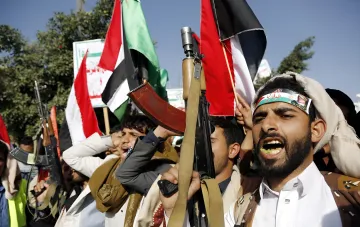
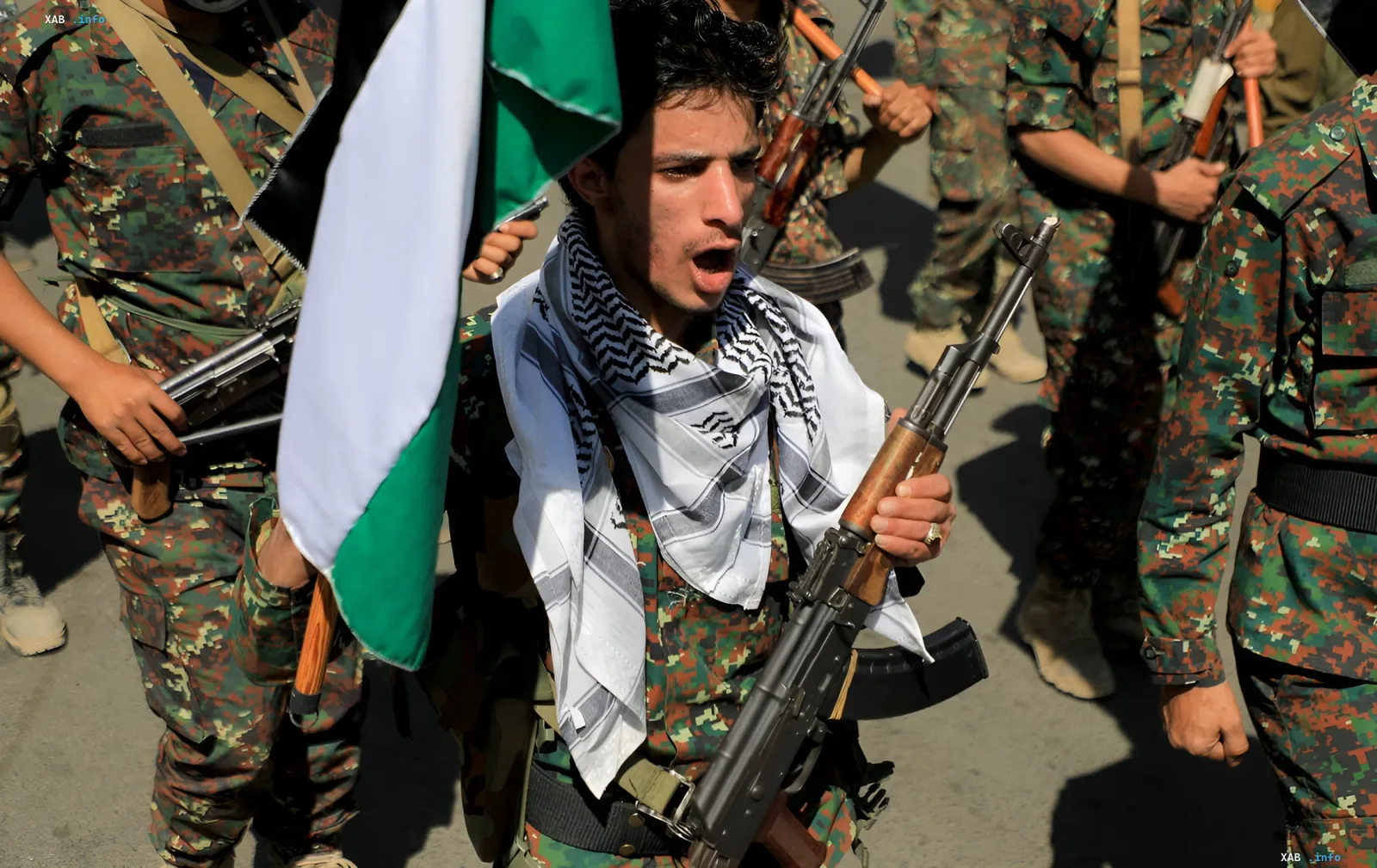
The Saudi-led military coalition blamed the Iran-backed Houthis entirely for the attack and promised a firm response. While the Houthis did not claim direct responsibility for this specific Saturday strike, a group representative posted on social media claiming the Riyadh airport was blockaded and urging international airlines to avoid Saudi airspace. World leaders strongly condemned the violence, with US President Donald Trump stating Washington is considering military options, while UN Secretary-General António Guterres emphasized that strikes on civilian infrastructure violate international law.
Contradictory Data
There are certain discrepancies in how involved parties frame the incident. The Saudi coalition and international observers unequivocally classify the event as a terrorist act and a direct Houthi assault on a civilian target. Meanwhile, the Yemeni rebels have not officially confirmed their direct involvement in this specific launch, limiting themselves to general threats and claims of an airspace blockade over the Kingdom's capital, which analysts view as hybrid pressure tactics.
Aftermath and Collective Security Measures
Amid the escalation, all flights from Riyadh's main hub were urgently rerouted, and airport operations were suspended indefinitely. The situation is compounded by the fact that on October 5, Saudi Arabia, Turkey, and Pakistan agreed to activate a collective deterrence mechanism against Houthi threats, ensuring rapid deployment and coordination to defend regional stability.