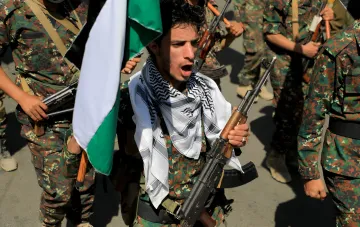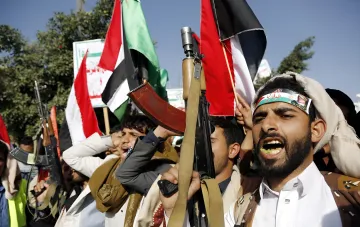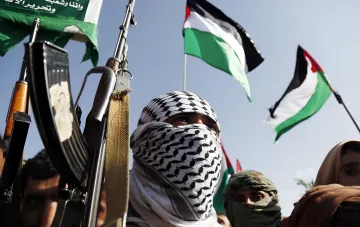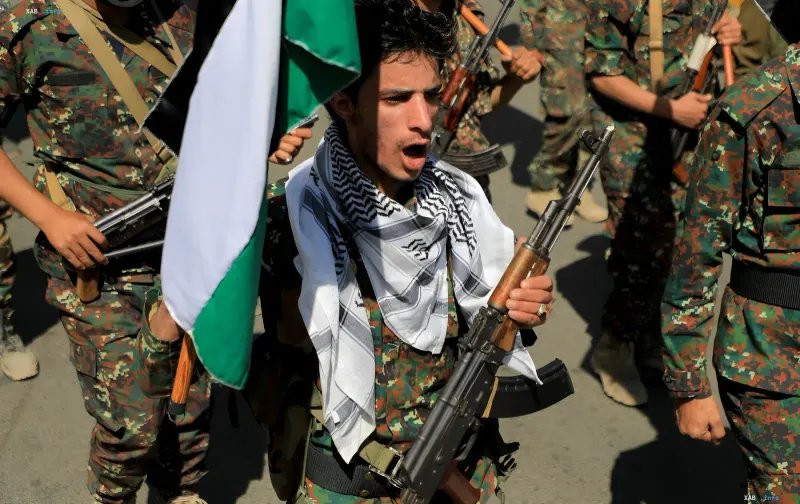
Turkey and Pakistan have announced their intention to immediately deploy military contingents to Saudi Arabia. This decision was made on October 5, 2026, following an emergency meeting of the Strategic Political and Defense Committee of the Mecca Defense Alliance in Riyadh. The parties agreed to activate collective deterrence mechanisms and fulfill joint defense obligations amid escalating threats from Yemeni militant groups.
Background and Reasons for Escalation
The need for immediate allied intervention is driven by a sharp aggravation of the situation in the region and the intensification of Iranian-backed Houthi rebels in Yemen. According to official statements from Saudi authorities, militants carried out a series of aggressive missile and drone attacks targeting the kingdom, deliberately attempting to hit the holy cities of Mecca and Medina, as well as critical civilian and economic infrastructure. The leadership of the three nations described these actions as a direct assault on Islamic shrines and collective security.
Decisions of the Riyadh Summit
During the committee meeting, it was officially announced that practical implementation of joint response measures would begin immediately. In accordance with the national legislations of Turkey, Pakistan, and Saudi Arabia, the parties will swiftly deploy coordinated forces and military capabilities. Furthermore, as part of the alliance's institutional development, retired Pakistani Lieutenant General Nauman Mahmud was appointed its first Secretary-General for a three-year term. Saudi Defense Minister Prince Khalid bin Salman emphasized the uncompromising stance of the participants.
Contradictory Data
Regarding the situation on the ground in Yemen, diametrically opposed reports are coming from the warring parties. Yemeni government forces, backed by coalition air support, claimed a major success and the recapture of the strategic Red Sea port city of Mocha as part of a large-scale counteroffensive launched on October 4. Meanwhile, Houthi-affiliated media outlets claim the opposite, asserting that the rebels have established full control over the Al-Mawasit district in Taiz province and allegedly seized the residence of Presidential Leadership Council Chairman Rashad al-Alimi.
Consequences and Next Steps
The deployment of Turkish and Pakistani units in Saudi Arabia marks a qualitatively new stage in the regional security architecture. Experts note that the kingdom intends to take proactive measures, planning large-scale joint operations along coastal routes and multi-front offensives against Houthi positions in cooperation with legitimate Yemeni forces, which is expected to fundamentally shift the balance of power.