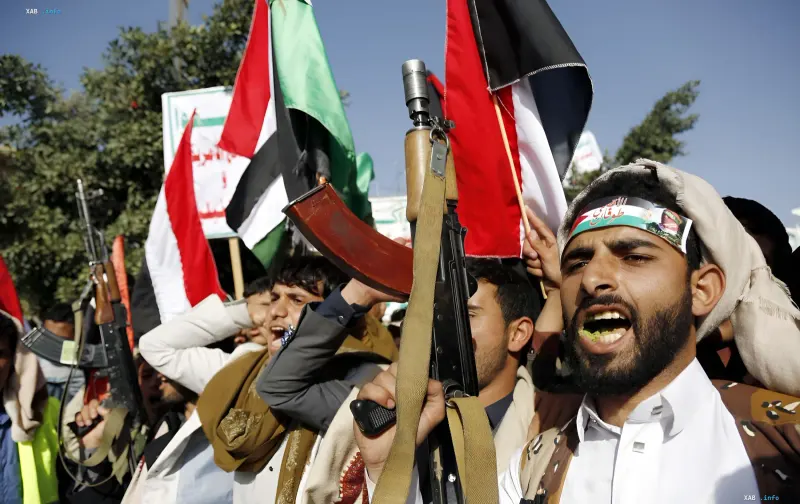
The Saudi-backed and internationally recognized government of Yemen has officially announced the launch of a large-scale counteroffensive. The primary objective of the military operation is to reclaim all territories currently controlled by Iran-backed Houthi rebels.
Goals and Objectives of the Military Operation
Yemeni President Rashad al-Alimi stated in a televised address to the nation that government armed forces will continue their offensive operations until the country is fully liberated from militant rule. According to Axios, one of the key tasks of the operation is to restore full control over the strategically vital Bab el-Mandeb Strait, which serves as a crucial artery for global trade and Saudi oil exports. Furthermore, the military leadership aims to recapture the country's capital, Sanaa.Preparation and Forces Involved
Preparations for the massive counteroffensive had been underway for weeks in close coordination between the Yemeni government and Saudi Arabia. Tens of thousands of ground troops loyal to the legitimate government are involved in the operations. Meanwhile, the Houthis, officially known as Ansar Allah, responded to the weekend offensive with a series of missile strikes targeting sites within Saudi Arabia, including key facilities of the state oil company Aramco.Contradictory Data
There are certain discrepancies in the coverage of the current conflict and the timeline of recent events between Western and regional analytical outlets. While official government sources claim a methodical and well-prepared liberation campaign, independent agencies such as Reuters highlight an extremely high level of escalation. According to Reuters, the Houthis have controlled Sanaa and the northwestern regions of the country since 2014, successfully withstanding years of coalition attacks, while their recent capture of the strait and 150 km of the Red Sea coastline drastically shifted the regional balance of power.
Geopolitical Consequences
The outbreak of active combat operations in Yemen opens a new tense front in the broader context of the ongoing Middle Eastern geopolitical standoff. The escalation in the Red Sea and around strategic straits directly impacts global energy markets and maritime security, compelling the international community to monitor developments with deep concern.