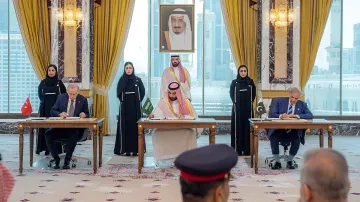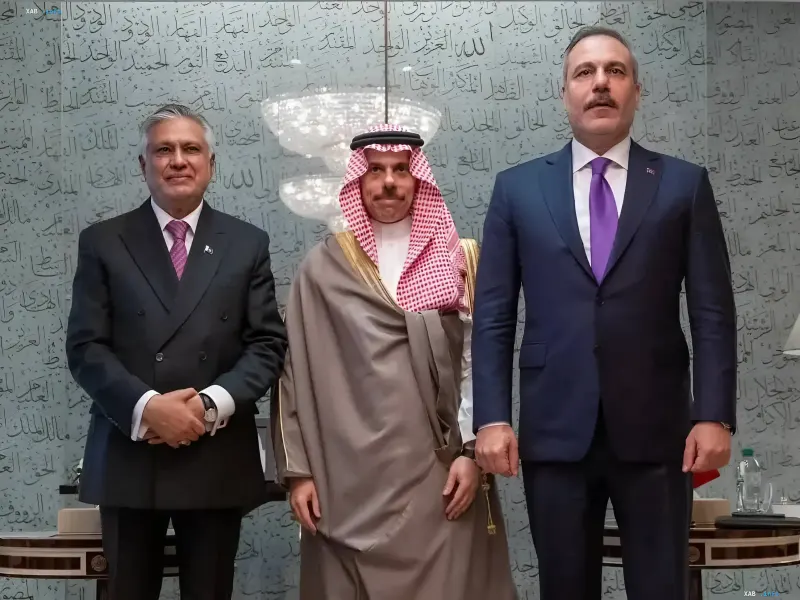
Amid escalating instability in the Middle East region, Saudi Arabia, Pakistan, and Turkey have begun the practical implementation of the Mecca Defense Agreement. During emergency consultations held at the Permanent Mission of Saudi Arabia to the UN in New York on the sidelines of the 81st UN General Assembly session, the foreign ministers of the three states discussed details of the upcoming meeting of their armed forces' chiefs of staff.
Diplomatic Consultations on the UN Sidelines
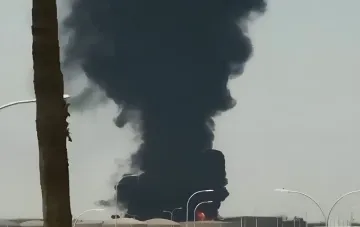
Saudi Foreign Minister Prince Faisal bin Farhan, Pakistani Foreign Minister Ishaq Dar, and Turkish Foreign Minister Hakan Fidan held closed-door talks, focusing heavily on security threats. The parties strongly condemned ongoing armed attacks against Mecca as well as key civilian and economic facilities within the kingdom. Experts note that these incidents pose unprecedented risks to regional stability and require a swift allied response.
Mechanisms of the Mecca Defense Agreement
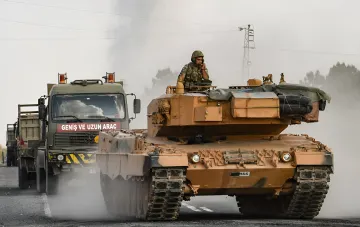
A core element of the previously signed trilateral pact is the principle of collective security: an attack on any participating nation is considered an attack on all member states. In the near future, the chiefs of staff are expected to develop concrete military mechanisms to support Riyadh, including the coordination of air defense systems and rapid response protocols for potential threats.
Regional Security and Freedom of Navigation
During the diplomatic meetings, the ministers also addressed issues of international law compliance and the protection of strategic maritime routes. They emphasized the critical importance of ensuring unobstructed freedom of navigation amidst ongoing pressures on Middle Eastern shipping lanes. Participants agreed that strengthening neighborly relations and rejecting foreign interference remain fundamental prerequisites for long-term crisis resolution.