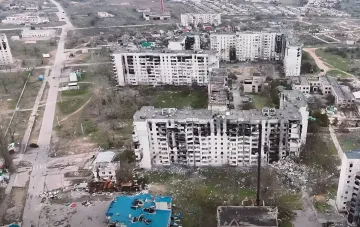
In the occupied left-bank region of the Dnipro River, where a local humanitarian truce has been in effect since late October, anomalous military activity has been recorded. According to the German publication Bild, citing Ukrainian servicemen, Russia is likely using the temporary ceasefire in the Oleshky area to transfer equipment and personnel toward Kherson. According to Ukrainian military estimates, who reportedly captured these movements on reconnaissance drone footage, offensive operations could begin immediately after the silence regime ends on November 1. No independent confirmation of these plans has been received at the time of publication.
What Is Being Recorded on the Left Bank
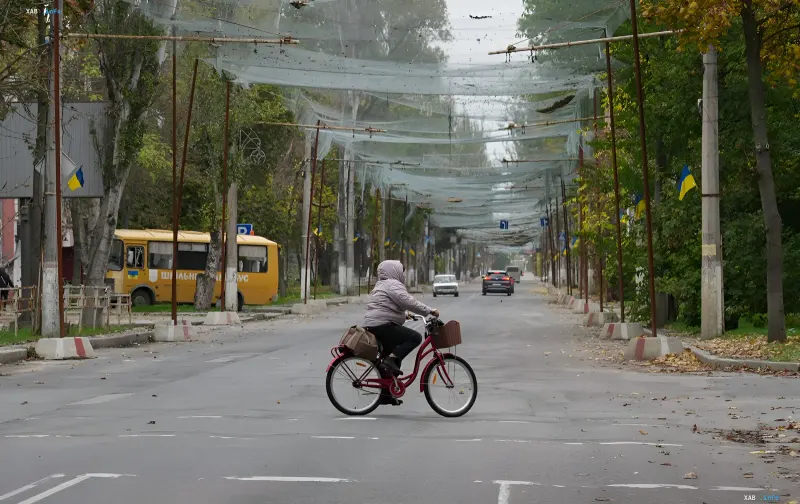
One Ukrainian serviceman told the publication that Russian KamAZ trucks are continuously transporting combat units across the occupied territory. The industrial zone of Kakhovka, according to him, is being equipped with anti-drone nets—likely to protect equipment from Ukrainian drones. In the forest near the village of Radenska, the Russian army has reportedly stationed a large number of Grad multiple launch rocket systems, is strengthening shelters, and is cutting down trees. Residents of Hola Prystan also report massive movements of enemy military trucks.
Targeting the Dnipro
Another Ukrainian serviceman stated that Russian drone units are moving closer to the Dnipro River. He did not rule out attempts to force the river after the truce ends. Ukrainian military, citing TSN referring to the same Bild material, suggest that the occupiers are preparing positions along approximately 100 kilometers of the Dnipro, creating prerequisites for a potential offensive. These assessments remain one-sided and have not yet been confirmed by independent sources.
Humanitarian Window in Oleshky
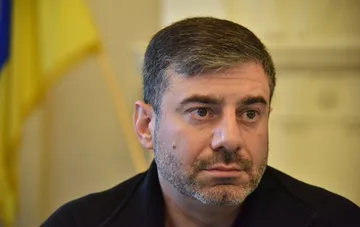
The temporary ceasefire in the Oleshky area was made possible through the mediation of the Vatican and US First Lady Melania Trump. It is designed to allow the evacuation of civilians from the occupied city. Evacuation is planned to begin on Saturday, October 31, and civilian aid is intended to be delivered on October 30. The parties agreed on an evacuation mechanism for those wishing to leave. On October 29, a Ukrainian delegation led by Ombudsman Dmytro Lubinets set off toward Oleshky to conduct a humanitarian mission.
First Results of the Truce
According to Lubinets, the local ceasefire has already yielded initial results: residents of Kherson can walk the streets without fear of constant attacks. Thus, against the background of humanitarian efforts and agreed evacuation mechanisms, statements about preparations for an offensive create a contradictory picture: on the one hand, the silence regime is working and allows aid to be provided, on the other hand, intelligence data points to a buildup of forces near the front. Military experts emphasize that final conclusions about the enemy's intentions will only be possible after November 1, when the truce expires.