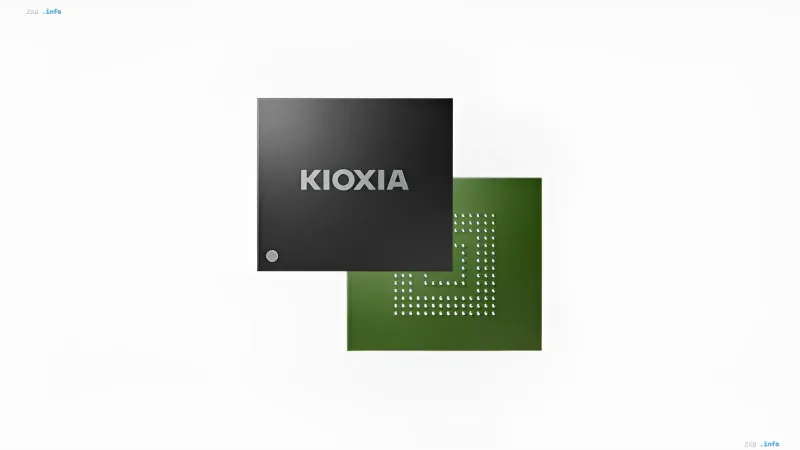
The market value of Japanese memory chip manufacturer Kioxia has shrunk to approximately one-third of its peak recorded four months ago. In June, the company surpassed Toyota Motor to become the most valuable on the Japanese market with a capitalization of about 60 trillion yen (roughly $380 billion), but by October 18, 2026, this figure had dropped to 21 trillion yen ($133 billion). On Thursday, October 15 alone, Kioxia shares traded on the Tokyo Stock Exchange plunged 14% following other semiconductor manufacturers. Thus, in a matter of months, the company leading Japan's capitalization ranking lost two-thirds of its value.
Rising Rates and the Vulnerability of the Data Center Business Model
A key systemic factor was the rise in interest rates, which threatened the business model of data centers. One point of tension has been concerns over the creditworthiness of American cloud service provider CoreWeave: its bond yields surged after investors began questioning the sustainability of massive data center expansions that tech giants finance largely through borrowed capital. As capital becomes more expensive, such projects become riskier, and the market is reassessing valuations across the entire memory supply chain.
The Advance of Chinese Manufacturers
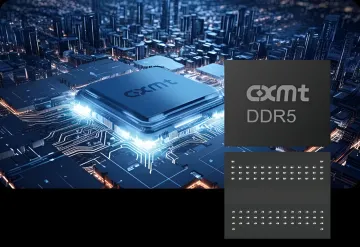
An additional negative factor was intensified competition from China. Chinese firm CXMT's announcement of its intention to release products based on breakthrough technologies by the end of the year triggered a drop in Samsung and SK hynix shares. However, CXMT specializes in DRAM and is not a direct competitor to Kioxia, which produces NAND flash memory. Nevertheless, Chinese manufacturer YMTC, which specifically produces NAND memory, announced its readiness to significantly scale up production, and investors viewed this as a serious threat to established players in the semiconductor market.
Financial Prospects and Valuations
On October 30, Kioxia will publish its results for April–September. According to the consensus forecast, the company's net profit for the full fiscal year will reach 5.54 trillion yen (about $35 billion), which is roughly ten times higher than the previous figure. Nevertheless, Kioxia shares are trading at a forward price-to-earnings (P/E) ratio of just 3.7; by comparison, the average for Prime segment companies on the Tokyo Stock Exchange is 15.4. Samsung and SK hynix also feature low multiples of 4.5 and 3.5, respectively. Even TSMC's record quarterly profit for the third quarter failed to quell investor anxiety regarding the semiconductor sector as a whole.
Strategy to Reduce Dependence on the Memory Market
Under these conditions, Kioxia is trying to formulate a strategy that will help reduce its dependence on memory market volatility. Specifically, the company is developing a partnership with Nvidia, which should diversify revenue sources and strengthen its position amid pressure from Chinese competitors and macroeconomic risks. The upcoming benchmark for the market is the April–September report, which will show how resilient the company's profits are during the sector's correction.