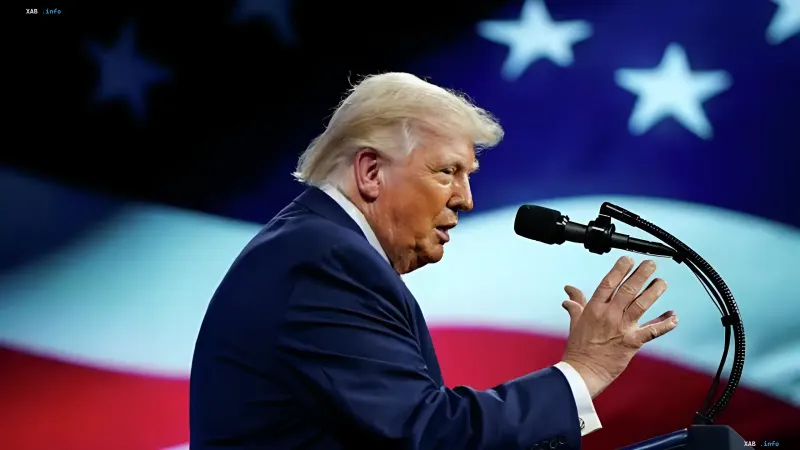
According to a source cited by Mobile Chip Expert, the Donald Trump administration is preparing to lift restrictions on Apple's purchases of memory from two Chinese manufacturers — CXMT (DRAM) and YMTC (NAND). The decision is expected to be made against the backdrop of preparations for a September in-person meeting between the U.S. president and Chinese leader Xi Jinping. In Washington, it is already being openly discussed that such a concession could serve as a diplomatic gesture toward Beijing ahead of the talks between the two heads of state.
Testing Is Already Under Way: CXMT and YMTC in Apple's Supply Chain
According to available information, Apple is already at the stage of testing DRAM chips from CXMT and NAND memory from YMTC, considering them as a potential part of its own supply chain. Notably, CXMT is listed on the U.S. "blacklist" due to alleged ties to the Chinese People's Liberation Army. Nevertheless, the company has made attempts to obtain permission to cooperate with the American giant. At the same time, under the terms, the Chinese memory would be intended exclusively for devices sold within the territory of the PRC, which was supposed to reduce risks to U.S. national security.
Congress Demands That Apple Abandon Chinese Memory
In Congress, this prospect was met with little enthusiasm. A group of American lawmakers sent a demand to Apple to abandon plans to purchase memory in China and to disclose technical information that the company may have shared with CXMT and YMTC during testing. For the lawmakers, the key question remains whether any data that could be used in the interest of the Chinese military was passed to the Chinese manufacturers, given CXMT's status on the sanctions list.
Production Constraints and a Pricing Dead End
Even if Washington gives formal approval, the deal is not guaranteed. CXMT currently has limited production capacity and, by estimates, may not be able to handle the volumes that Apple needs to ensure supply. Moreover, according to the source, the Chinese manufacturer allegedly refused to lower prices at Apple's request, gaining an additional negotiating lever thanks to growing domestic demand from Huawei and Xiaomi. As a result, analysts warn that the negotiations risk being more beneficial for Beijing than for Apple itself.
Contradictory Data
Publications by various outlets show discrepancies in the timeline of the decision. A number of sources (including goha.ru) frame the event as already having taken place: "the U.S. president will allow Apple to buy memory in China," which implies that the decision has been made or is at the final stage. At the same time, Mobile Chip Expert, cited by 3dnews.ru and ixbt.com, indicates that an official decision by the administration may only follow after the in-person meeting between Trump and Xi Jinping in September 2026. Thus, as of August 23, 2026, the status of the permission remains uncertain: no formal document lifting the restrictions has been publicly released, and the process is at the preparation and interagency coordination stage.
Context: Why This Matters for the Technological Balance
The situation with Apple and Chinese memory fits into the broader context of the U.S.–China technological confrontation. On the one hand, Washington has been consistently narrowing Chinese manufacturers' access to the American market and components. On the other hand, major American corporations, including Apple, are facing shortages and rising prices for semiconductor memory, forcing them to seek alternative sources. Permission to buy from CXMT and YMTC would set a precedent: a company from the "blacklist" would for the first time gain access to a supply chain of such scale. For Beijing, this would confirm that diplomatic pressure and the negotiation process with Trump are capable of changing sanctions policy, strengthening its position in broader trade and technology negotiations.