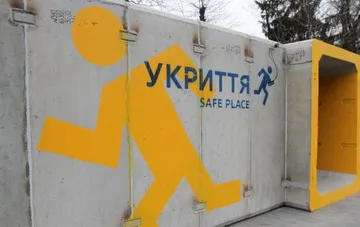
Kyiv Mayor Vitali Klytsko held a working meeting with representatives of the capital's major businesses, during which the parties discussed a range of issues related to ensuring the city's life-support systems amid virtually uninterrupted attacks. The mayor of Kyiv announced this on his Telegram channel, while the details of the meeting were reported by RBC-Ukraine. In a round-table format, entrepreneurs and city officials examined Kyiv's preparation for the winter period, the arrangement of mobile shelters, and the mechanisms for providing tax incentives to enterprises whose facilities were damaged or destroyed as a result of shelling.
Business Amid Uninterrupted Attacks: Losses and Obligations
In his remarks, Vitali Klytsko emphasized that entrepreneurs are suffering significant losses yet continue to operate, ensuring logistics, services, the production of goods and medicines, the construction of facilities, the creation of jobs, and the payment of taxes. "The city is grateful to them for this and is ready to help in every way and do what it can to support business operations," the mayor wrote. According to him, it was precisely the business community's willingness to keep going even amid constant air-raid alerts that formed the basis for a constructive dialogue at the meeting.
Tax Incentives and Land Rent for Damaged Facilities
One of the key items on the agenda was the issue of financial support for affected enterprises. Entrepreneurs raised the topic of incentives for land rent under facilities that were damaged or completely destroyed by the enemy, as well as for the property tax. The parties agreed to jointly work out possible options for providing such incentives within the framework of current legislation. This means that the city administration did not promise an automatic exemption from payments, but took on the obligation to seek legally grounded mechanisms of assistance.
Winter Preparedness: Alternative Power and Heating Points
A separate block of the discussion was devoted to how Kyiv would get through the coming winter. Klytsko told the business community about the city's plans for preparing for the cold season, while the entrepreneurs, in turn, presented the measures they are already implementing in their operations. These include the installation of alternative power sources at business facilities, the arrangement of heating points (in particular, by major retail chains), and support for Kyiv's humanitarian headquarters. Thus, the city and the private sector are effectively sharing the burden of ensuring heat and energy supply amid possible disruptions.
Mobile Shelters and Security Issues
No less important a topic at the meeting was security. According to Klytsko, the business community expressed its readiness to participate in the installation of mobile shelters in the city. The mayor stressed that he is grateful for such an initiative and views it as an example of constructive partnership. He concluded his message with words of gratitude "for the constructiveness and joint efforts to ensure the capital's life-sustaining operations."
Context: Changes in City Operations During Air-Raid Alerts
The meeting with the business community took place against the backdrop of recent changes in the operating algorithms of city institutions. At the initiative of the city authorities, the curfew in Kyiv was shortened, and adjustments were made to the operating procedures of businesses and other organizations providing services to residents amid constant air-raid alerts. These measures, by design of the administration, were intended to reduce the burden on entrepreneurs while simultaneously preserving the availability of basic services for residents. The discussion at the meeting with the business community became a logical continuation of this policy of adapting the city to new realities.