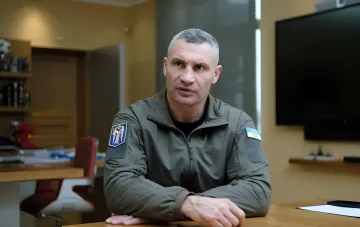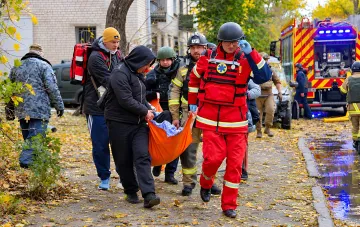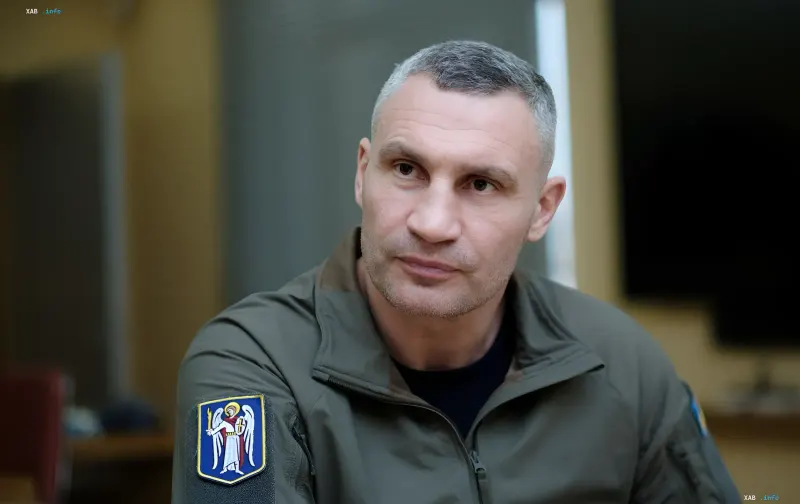
Kyiv Mayor Vitali Klitschko stated at a weekly briefing that only air defense systems, rather than ground protective structures, can protect the capital's critical facilities from Russian missiles. According to him, an energy headquarters has been operating in the city since spring, preparing Kyiv for the winter season while factoring in potential infrastructure attacks. The mayor emphasized that under high-intensity strikes, it is the air shield that determines whether energy and utility facilities can recover and continue functioning.
Energy Headquarters and Scenario Planning
As Klitschko reported, the capital's municipal life-support energy headquarters has been functioning since spring, developing winter preparedness measures that account for possible Russian attacks. According to the mayor, the headquarters involves experts, energy professionals, practitioners, and scientists who are working out crisis scenarios and response mechanisms. "The headquarters has developed possible measures for various situational scenarios," he noted, adding that city authorities are taking into account intensified strikes on energy infrastructure, heat generation, and water supply systems.
Air Defense Versus Protective Structures
A key thesis of the mayor's statement is that physical protective structures are unable to withstand massive strikes. "When several missiles or a swarm of drones arrive simultaneously, no protective structures can cope with this," Klitschko stated. He stressed that with such an intensity of attacks, without protecting key facilities with air defense systems, "the restoration, stable operation, and overall existence of these objects are under big question." Thus, according to the capital's head, reliable provision of public utilities depends on a combination of protective structures and air defense means, with air defense playing the decisive role.
"Corridor Cabinet" and Resilience Plan
Separately, Klitschko commented on the idea of creating a "corridor cabinet" to assist Kyiv. The mayor criticized this initiative, pointing out that it was voiced after, as he put it, the capital's Resilience Plan had not been approved for almost half a year. "Someone is talking today about some 'corridor cabinets' to help Kyiv. This comes after almost half a year of cynically failing to approve the capital's Resilience Plan! And telling various 'legends'," he stated. A reminder about the need for such an advisory body was previously voiced by President Volodymyr Zelenskyy, who proposed establishing a special consultative body under the government to coordinate solutions for critical winter-passage issues.
Context: Outages, Statements, and Heating Season
The mayor's statement came amid discussions regarding the protection of critical infrastructure. Volunteer Serhiy Sternenko earlier stated that he considers insufficient protection of critical infrastructure in the Kyiv region to be one of the reasons for large-scale power outages in Kyiv, and reported possible violations during the construction of protective structures at regional electrical substations. Meanwhile, the capital continues connecting buildings to the heating system: as of November 5, coolant has been supplied to almost 45% of multi-apartment buildings in the city. The launch of the centralized network, with a total length of about three thousand kilometers, began on November 1st and, according to utility workers, takes a little over a week, which is why work started in advance — before the onset of sharp cold weather.