On November 1, social sector workers in Ukraine celebrate their professional holiday. Ahead of this date, Kyiv Mayor Vitali Klychko addressed the capital's social service employees with congratulations and presented them with awards from the city. In his statement, the head of Kyiv emphasized the scale of the work daily performed by social workers and expressed gratitude for their endurance and responsibility amid a full-scale war.
The Scale of the Capital's Social Sector: Figures Behind the Holiday
According to the data cited by Klychko in his address, over 6,500 specialists are involved in the social sector in Kyiv. More than 80,000 Kyiv residents are under their constant support and care. The scope of those receiving assistance covers older persons, citizens with disabilities, families with children, internally displaced persons, veterans and their families, as well as children deprived of parental care. As the mayor noted, these exact 6.5 thousand people constitute the "core link" of the city's social support system.
The War Has Multiplied the Workload
Klychko directly linked the increase in the workload on social workers to the consequences of the full-scale war. According to him, during the last winter season, social workers became one of the key links in communication with people in need of emergency support. They helped organize the temporary relocation of citizens, delivered humanitarian aid, provided home care, and accompanied those who found it difficult to cope on their own. The mayor emphasized that the city expects similar tasks in the current winter period, especially in the event of prolonged interruptions in heat and electricity supply.
Preparation for Blackouts: Lists and Relocation Points
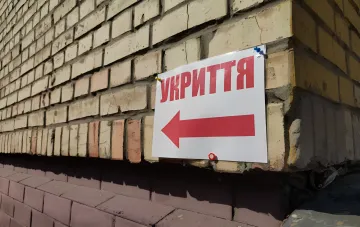
As part of preparations for winter, the Kyiv City State Administration is compiling lists of elderly and low-mobility Kyiv residents to provide them with everything necessary in the event of power or heat outages. It is planned to transport such citizens to social centers, geriatric boarding houses, medical facilities, or specially prepared city premises. Social workers in this process perform the function of direct contact with their wards: they notify, accompany, and monitor that a person receives the necessary assistance. In parallel, as previously reported, Kyiv's communal boarding houses are being equipped with solar panels and generators, while hospitals are provided with alternative sources of heat, light, and water.
Staff Shortages and Overtime Work
Klychko placed special emphasis on the shortage of personnel in the industry. According to him, social workers are forced to work overtime because the volume of requests from residents significantly exceeds the staff's capacity. "This work often goes beyond the working day. Social workers must respond to a person's needs, look for solutions, and provide support in crisis situations. At the same time, they must take care of their own families, who also live in conditions of war," the mayor wrote. He added that this is precisely why the city considers its task to create conditions under which specialists can continue to perform their work, and that supporting those who have undertaken this mission is a priority.
Awards and Recognition
During the festive event, Klychko presented awards from the capital to the best social sector workers. Photographs from the ceremony show that the team of Kyiv social workers consists predominantly of women of various ages who were presented with flowers and certificates of honor. The mayor thanked his colleagues for their daily work, endurance, and responsibility, noting that in conditions where "many Kyiv residents need help, and there is a shortage of specialists in the social sector," it is personal dedication to the cause that keeps the system afloat.