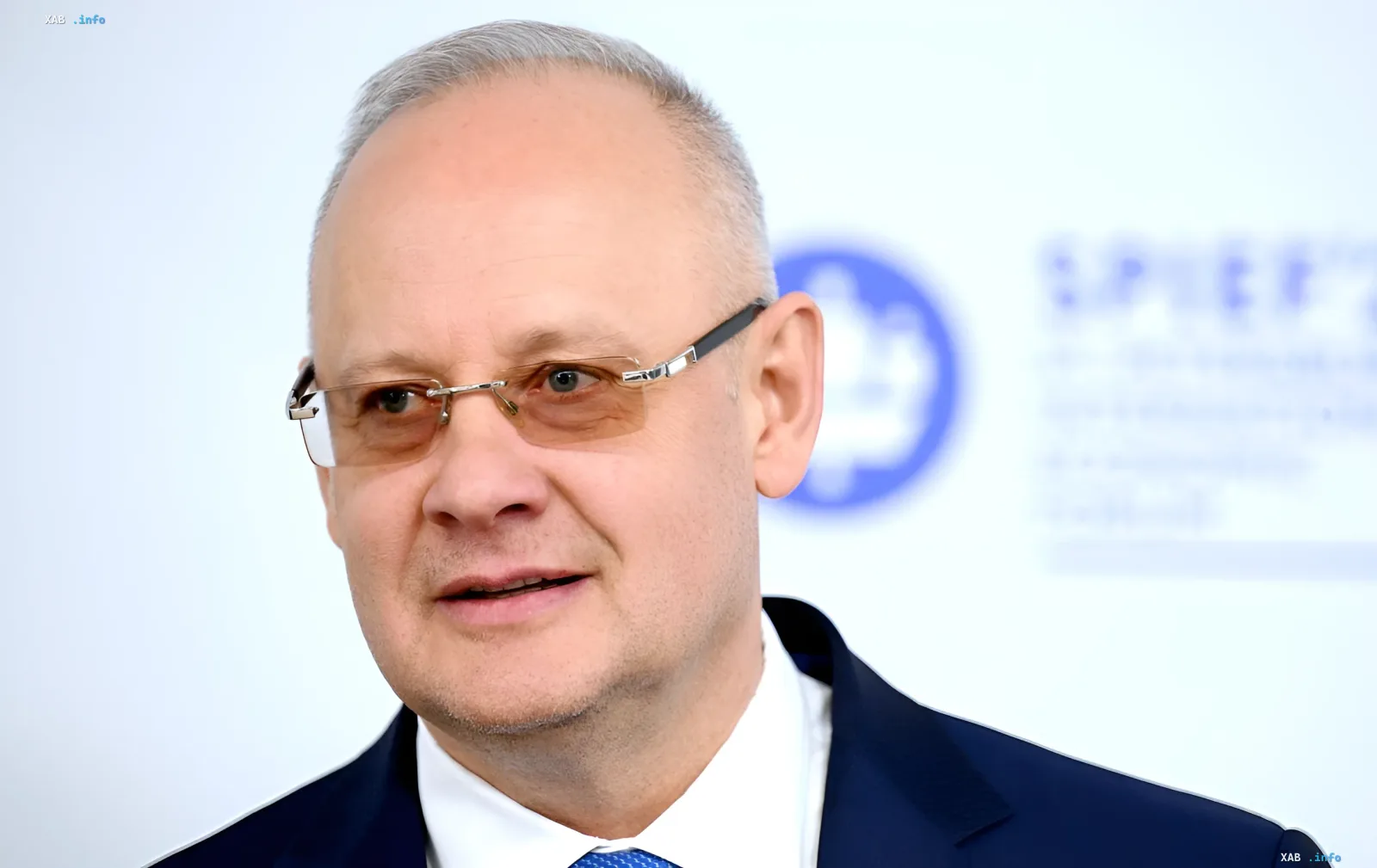
Anton Kobyakov, an adviser to the Russian president, categorically stated in a comment to the pro-Kremlin TASS news agency that Russia's airspace is safe for civil aviation. "Maximum measures have been taken to ensure the air safety of our citizens. And I am confident that our airspace is safe," RBC-Ukraine quotes him as saying. The statement came amid growing tension over the use of Russian airspace, which Kyiv has openly described in recent weeks as a risk zone for international air carriers.
Context: Zelenskyy's warning about a 'closed sky'
The direct trigger for Kobyakov's resonant comment was a recent statement by Ukrainian President Volodymyr Zelenskyy, who publicly announced that Russian airspace is becoming dangerous for civil aviation due to the mass presence of Ukrainian drones. According to the Ukrainian leader, Kyiv is effectively beginning to "close the sky" over Russia and has already sent warnings to international airlines and insurance companies about the need to factor these risks into their operational and financial models. As a result, Moscow and Kyiv find themselves in a situation in which each side is broadcasting an opposite assessment of the same factor — the safety of flights over Russian territory.
Reaction on the ground: 120 delayed and cancelled flights
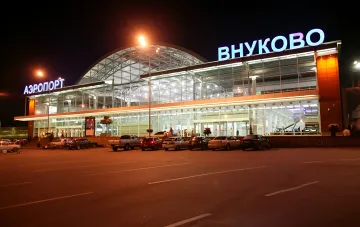
However, the words about "maximum measures" and a "safe airspace" stand in sharp contrast to the operational picture painted by Russian media as early as the evening of September 2. At two key capital airports — Vnukovo and Sheremetyevo — around 120 flights were delayed or cancelled. Such a scale of schedule disruption at Moscow hubs is abnormal and, as a rule, indicates the introduction of temporary restrictions on the arrival and departure of aircraft, indirectly confirming the presence of factors hindering the normal operation of the airports.
Contradictory data
Here there is a direct inconsistency between the positions of the two sides. On the one hand, Kobyakov claims that Russia's airspace is "safe" and that "maximum measures" have been taken. On the other hand, the facts recorded by Russian media themselves show mass flight cancellations in Moscow, while Zelenskyy publicly warns of risks to civil aviation due to drones. Moreover, according to Russian publications, after the Ukrainian president's statement, foreign airlines began cancelling their own flights to and from Moscow — at least 30 international flights were cancelled. Thus, the assessment of airspace safety given by the Kremlin's official representative finds no confirmation in airport operational statistics or in the decisions of foreign carriers.
International resonance and insurance risks
Zelenskyy's mention of insurance companies is not accidental: for international air carriers, the decision to fly over a particular territory is based not only on political statements but also on data about insurance coverage, military risks, and ICAO recommendations. If insurers revise the terms or refuse coverage for flights over Russia, this automatically makes such flights economically unviable, regardless of words about "safety." The cancellation of around 30 international flights immediately after Kyiv's statement indicates that some European and Middle Eastern airlines have already begun to review their routes and schedules.
What this means for civil aviation
The situation in which an official government representative declares safety while airport statistics and the decisions of foreign carriers say the opposite creates an information vacuum in which passengers and logistics companies are forced to make decisions based on contradictory signals. For civil aviation, this means increased schedule volatility, rising ticket prices due to reduced supply, and, in the longer term, a possible redistribution of traffic through transit hubs in third countries. For now, Kobyakov and his department continue to insist that "our airspace is safe," while on the ground there are delays, cancellations, and bewildered passengers in the terminals of Vnukovo and Sheremetyevo.