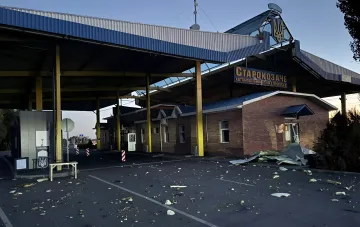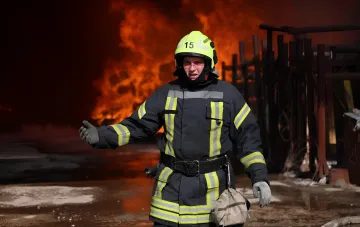
On August 29, 2026, Russian military forces struck civilian infrastructure in Kramatorsk: two strike drones hit the building of the trauma department of the city hospital. This was announced by the head of the Kramatorsk City Military Administration, Alexander Honcharenko, whose words are quoted by RBC-Ukraine. According to him, the attack was a deliberate strike on a facility where citizens' lives are saved every day.
"This cannot be a coincidence"
Alexander Honcharenko emphasized that the hospital is a place where doctors, nurses, and orderlies work, and where the wounded are brought by ambulance. "This is exactly where the Russians directed their weapons. This cannot be a coincidence," the head of the military administration stated, characterizing the incident as the deliberate destruction of civilian infrastructure and of the people who save others' lives every day.
Medical staff remain at their posts
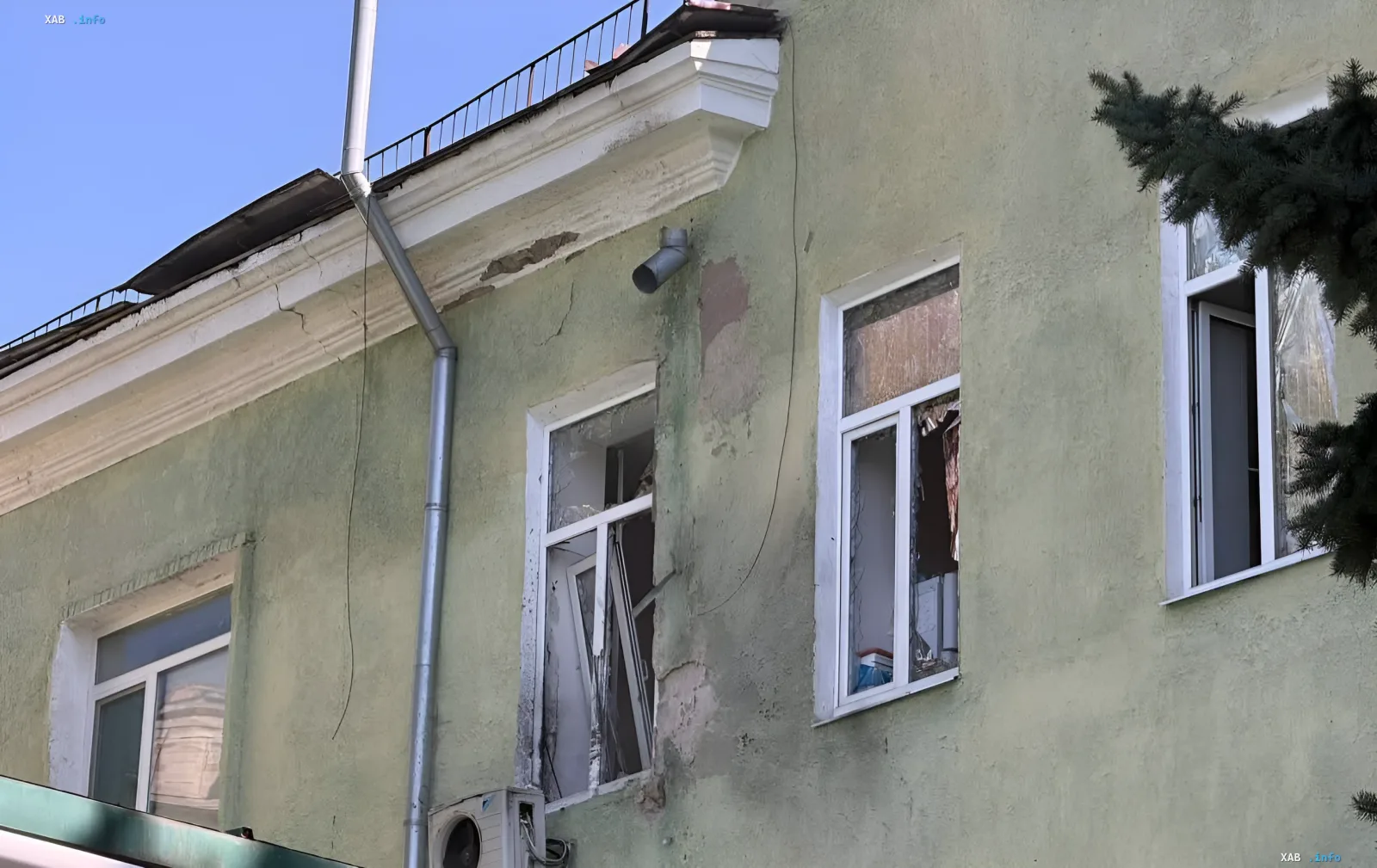
Despite the direct drone hits on the building, the medical staff of the trauma department did not stop working. "Kramatorsk is holding on. And it is the people who are holding it up, those who, despite everything, continue to work," Honcharenko emphasized. In the photographs taken after the strike, broken window openings, a damaged facade, and traces of destruction on the walls of the hospital building are visible.
Another attack on the same day: a drone hit a Ukrposhta vehicle
On the same day, August 29, a Russian drone struck a Ukrposhta vehicle near Kramatorsk. As a result, the driver sustained a traumatic brain injury, and about 500 parcels were destroyed in the fire. This is not the first such incident in the city: on August 16, a Russian drone hit the Kramatorsk post office, killing one person and injuring six others.
Kramatorsk under attack almost daily
The city, located in close proximity to the front line, is subjected to attacks by Russian aviation and drones almost every day. Repeated strikes on healthcare facilities, postal infrastructure, and other civilian buildings form a consistent picture of deliberate pressure on a rear-region area. Each new incident requires local authorities and medical services to promptly restore the functionality of the damaged facilities under conditions of ongoing threat.