According to informed sources citing Bloomberg, the Kremlin has reassessed the prospects for a peaceful settlement in Ukraine. The Russian leadership is no longer confident that US President Donald Trump can force Kyiv to sign an agreement on Moscow's terms. Consequently, sources claim, Russia is shifting toward a strategy of protracted conflict: intensifying strikes against Ukrainian territory and its European allies is seen as the primary scenario for the coming months.
Strategy Revision: From Diplomatic Pressure to Military Force
Previously, Moscow bet that Trump, striving for a diplomatic breakthrough, would pressure Ukraine into making peace on Russian terms. However, according to Bloomberg's insiders, this bet has proved unviable. Putin, sources note, intends to increase military pressure on Ukraine and its European partners without waiting for the negotiation process to conclude. In the Kremlin, according to sources, the possibility of continuing hostilities over a prolonged period is being considered, which is confirmed by budgetary decisions made in Moscow.
US Midterm Elections and Trump's Room for Maneuver
A key factor influencing the course of the war, sources say, is the outcome of the US congressional midterm elections. If the Republican Party's position weakens as a result, it will significantly reduce Trump's room for maneuver in forcing Volodymyr Zelenskyy to conclude an agreement. "He may have less room to maneuver in forcing Zelenskyy to strike a deal — which in turn could give Putin free rein to intensify attacks on Ukraine's energy infrastructure," the publication's sources note. At the same time, it is unlikely that if Republicans lose to Democrats, Trump will provide more active support to Kyiv and Europe. Moscow, in turn, will look for ways to lift US sanctions, trying to convince Washington that it is possible to do business with Russia without waiting for the war to end.
Defense Budget: Abandoning Spending Restraint
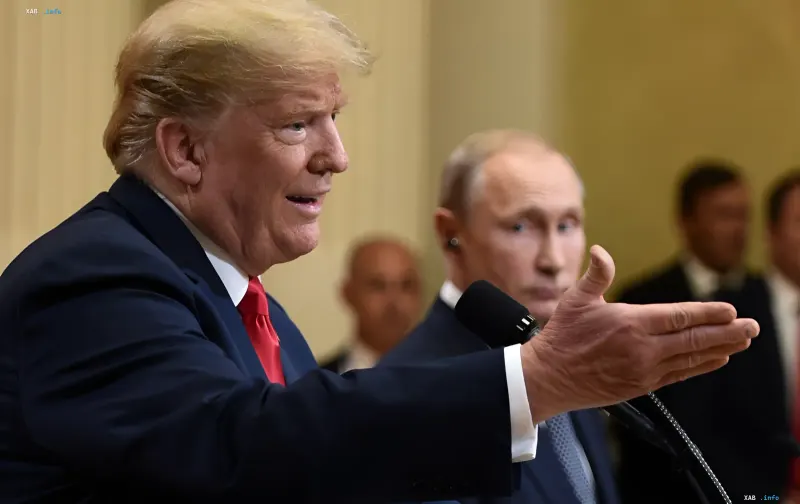
After the August 2025 meeting between Putin and Trump in Alaska ended without concrete results, the Kremlin factored a sharp increase in military spending into the budget. Russia's military expenditures for 2026 were increased by nearly $60 billion to approximately $200 billion. The draft budget provides for a similar level of spending for 2027, which, according to sources, indicates Moscow's complete abandonment of the policy of restraining military costs and its readiness to finance the conflict for several years.
Abu Dhabi Negotiations and APEC Meeting
The resumption of peace talks involving representatives of Ukraine, the US, and Russia is scheduled for November 10–11 in Abu Dhabi. The Kremlin confirmed that Russia will take part in these consultations. However, Putin has still not given signals of readiness to back down from his rigid demands regarding Ukrainian territories. President Volodymyr Zelenskyy, in turn, stated the need to discuss security guarantees, the cessation of strikes on energy infrastructure, the unblocking of the "grain corridor," the exchange of prisoners of war, and a possible meeting of the countries' leaders at the talks. In addition to Abu Dhabi, Putin and Trump could meet this month in China at the APEC summit chaired by Xi Jinping. The meeting is planned without the participation of Ukraine and European partners, although in Moscow, according to sources, no major breakthrough is expected from it.
The Middle East Factor: Risk of Diverting the Negotiation Track
An additional risk to the peace process in Abu Dhabi could be the aggravation of the situation in the Middle East. If Trump fulfills public threats to resume strikes against Iran, this could divert the negotiating track on Ukraine. Emily Ferris, a research fellow at the London-based think tank RUSI, warns that Trump could shift his attention from Ukraine to Iran if Russia insists on territorial claims. "This could jeopardize US military assistance to Ukraine on the grounds that these funds should be used against Iran or to support Israel's air defense systems," the expert emphasized. Thus, against the background of Moscow's increasing military pressure and uncertainty surrounding US foreign policy, the negotiation window in Abu Dhabi remains vulnerable to external shocks.