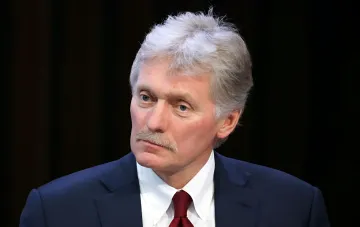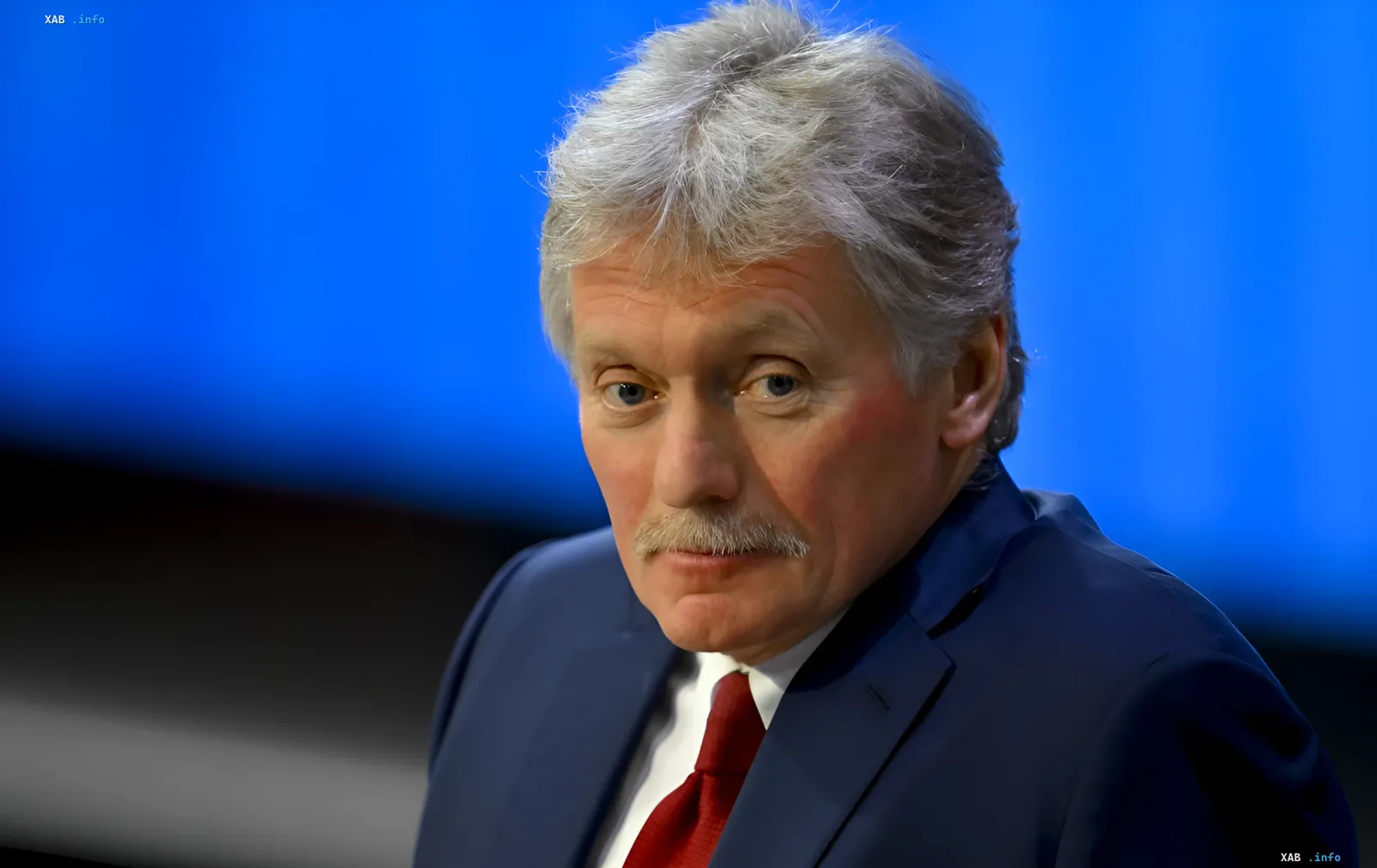
On August 20, 2026, Russian President’s Press Secretary Dmitry Peskov once again stated that there are currently no prerequisites for a peaceful resolution of the conflict surrounding Ukraine. According to him, the lack of progress in the negotiation track is directly linked to Kyiv’s position, which, according to the Kremlin, allegedly shows no willingness to compromise. Thus, Moscow has once again shifted the blame for the deadlock onto the Ukrainian side, despite the fact that it is Russian troops that continue active hostilities on the front lines.
Rhetoric of an 'Impossible Peace' as a Constant Narrative
Such a thesis is not new to Russian propaganda: in recent months, Kremlin representatives have systematically reproduced the formula that peace is 'impossible due to Kyiv's position.' Experts note that such rhetoric allows Moscow to formally maintain the appearance of willingness to negotiate while, in fact, taking no steps toward de-escalation and continuing military pressure. In Peskov's statement on August 20, this line was brought to a standard level: no specific conditions from the Russian side were named, and all blame for the lack of peace was placed on the adversary.
Visit of Witkoff and Kushner: Dates Undetermined
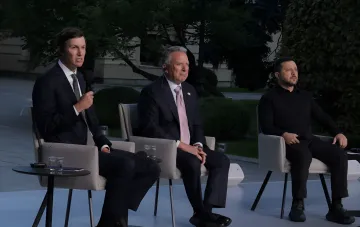
Separately, the Kremlin spokesperson commented on the possible trip to Russia by U.S. President's Special Representative Steve Witkoff and the American leader's son-in-law, Jared Kushner. According to Peskov, the exact dates of such a visit have not yet been determined. At the same time, he emphasized that both envoys remain 'desirable interlocutors' for the Russian side and personally for Vladimir Putin, which formally confirms Moscow's willingness to contact the Trump team.
Contradictory Data
There are noticeable discrepancies between Kremlin statements and the actual dynamics of contacts. On the one hand, Peskov calls Witkoff and Kushner 'desirable interlocutors,' while on the other, he does not name a single specific date for the visit, whereas sources previously reported that American envoys would travel to Russia and Ukraine only if there were new grounds for discussion, and that there would be no visit 'for a photo session.' Furthermore, the rhetoric about the 'impossibility of peace due to Kyiv' contradicts objective reality: it is Russia that continues the attacks, not Ukraine that is sabotaging negotiations. Finally, since the beginning of 2026, Witkoff and Kushner have visited Moscow several times but have yet to visit Kyiv, which casts doubt on the thesis of equal and balanced U.S. mediation.
Context and Significance for the Negotiation Track
Peskov's statement on August 20, 2026, marks the stagnation of the diplomatic track: neither side is demonstrating a willingness to make concessions, and the role of American mediators remains undefined due to the lack of specific agreements on dates and the agenda. For Kyiv, this means the continuation of information pressure from Moscow, which is trying to cement in the international discourse the narrative of 'Ukraine's unwillingness to make peace.' For Washington — the risk that without a clear agenda, the envoys' visits to Russia will not lead to a breakthrough but will only reinforce the Kremlin's image as a party formally open to dialogue.
Conclusions
The outcome of the August 20 statement is the absence of real shifts in the negotiation process and the preservation of information warfare as the main tool. The Kremlin continues to shift the blame for the lack of peace onto Kyiv, while the status of the visit of American mediators remains in limbo: formally they are 'desirable,' but in fact — without dates and without a guaranteed agenda. Observers should watch whether a specific date for Witkoff and Kushner's trip will appear in the coming weeks and whether it will be accompanied by a visit to Kyiv, which would be the first sign of real, rather than declarative, progress toward a settlement.