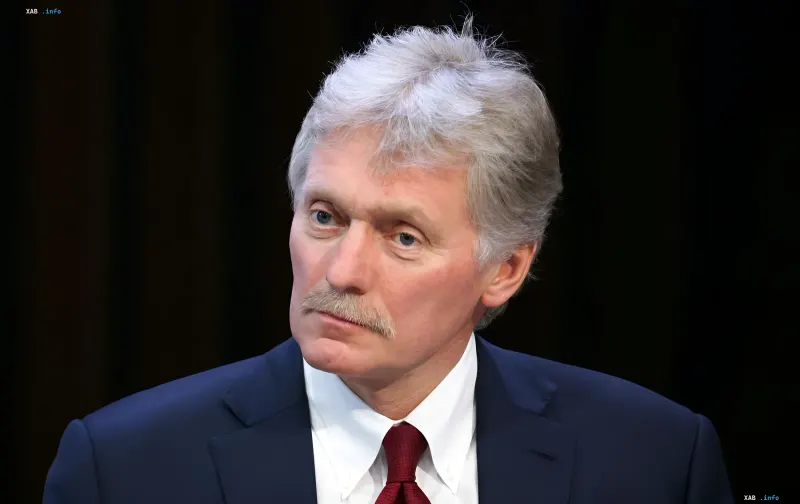
The Kremlin has commented for the first time on the aftermath of the attack on the Crimean Bridge that took place on the night of November 17. Russian presidential press secretary Dmitry Peskov stated that the crossing will be restored and will "become even better than before." This was reported by RBC-Ukraine, citing the Russian agency TASS. The Kremlin representative did not provide any other details in his commentary, such as a restoration timeframe or the extent of the damage.
Chronology of Two Strikes
The Crimean Bridge came under attack twice in two days—on November 16 and 17. Following the first attack, satellite imagery recorded damage to the road surface in at least two areas, as well as the deformation of one of the structural arches. The next strike occurred on the night of November 17: several powerful explosions rocked the Kerch Strait area, after which traffic across the bridge was halted.
Assessments of Damage Differ
According to OSINT channels, part of the vehicular span and the bridge arch collapsed into the water as a result of the attack. Meanwhile, according to information previously voiced by Dmitry Peskov, the Kremlin characterized the damage as minor and delegated its assessment to the Ministry of Transport of the Russian Federation. Neither side has officially published specific figures or restoration timelines.
Kyiv Confirms Operation
The potential use of the Ukrainian "Flamingo" missile during the strike was previously hinted at by Fire Point defense company co-owner Denis Shtillerman. Subsequently, Ukrainian President Volodymyr Zelenskyy confirmed the operation. According to him, several types of weaponry were used simultaneously during the attack: Dovbush, Vendetta, Da Vinci, Yanvar, MICH 2000, Ruta, Palyanytsia, An-197, FP-1, FP-5 Flamingo, and R-360 Neptune.
The Kremlin’s Position
Peskov’s commentary marked the Kremlin’s first official reaction to the consequences of November 17 specifically. Statements about the restoration of the bridge and that it "will become better" were made without tying them to specific deadlines or assessing the scale of the damage. Thus, the public picture of the damage is still pieced together from satellite data and OSINT channel reports, while the Russian side limits itself to general formulations.