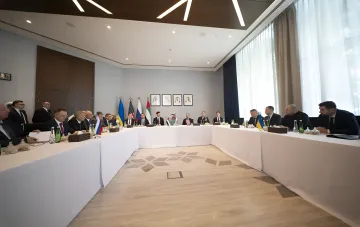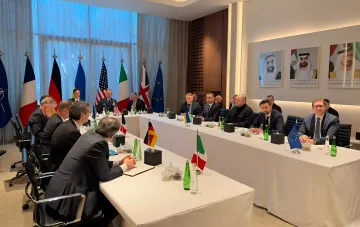
This week, during closed-door negotiations in Abu Dhabi, the Russian delegation presented a document outlining the Kremlin's conditions for the post-war European security architecture. According to The New York Times, which reviewed the document and had its authenticity confirmed by two sources, the paper is dated November 10 and centers on a demand to return NATO's presence to the levels the alliance held in 1997. As the NYT notes, five years after the initial proposals, Moscow has not softened but has, in several respects, hardened its position.
Return to 1997 Borders
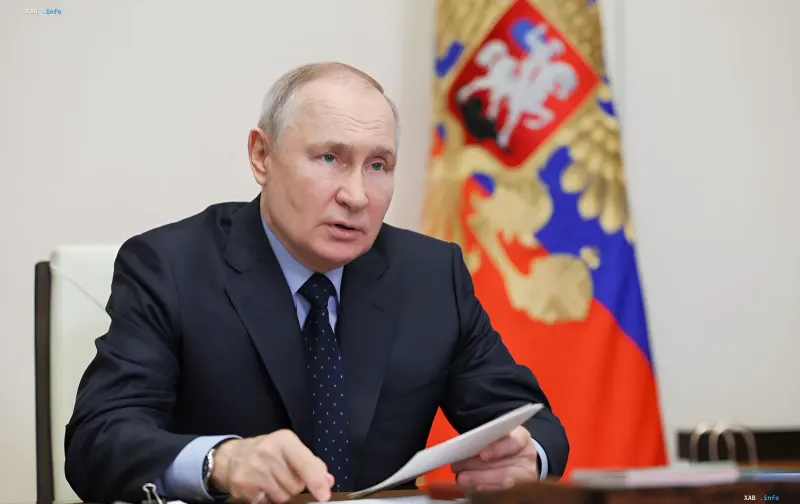
A key point of the document remains the demand for NATO to refuse further expansion and cease all military activities of the alliance in Ukraine, Eastern Europe, the South Caucasus, and Central Asia. Specifically, this means the withdrawal of troops and the closing of bases in countries that joined the alliance after 1997 — primarily Poland and the Baltic states. The British publication The Telegraph, citing diplomatic sources, adds Finland, which joined NATO in 2023, to this list. Russian leader Vladimir Putin previously called the alliance's expansion the "root cause" of the conflict, and the new document essentially reiterates this thesis.
Nuclear Demands Hardened
A comparison with previous proposals shows the dynamics of Moscow's position. While in 2021 the Kremlin sought for NATO to renounce agreements on "joint nuclear sharing," which allowed European allies of the U.S. to rely on American nuclear protection, the November 10 document contains a stricter demand. According to it, Russia wants France and the United Kingdom to exclude the possibility of using their own nuclear weapons to protect other European countries. The NYT interprets this as a sign that Moscow's stance on several issues has become more categorical over the past five years.
Spheres of Influence and Blocking Aid to Ukraine
According to the NYT, Russian negotiators directly indicated that the Cold War model with the division of Europe into Soviet and U.S. spheres of influence is a model for the future order, as they believe such an arrangement would reduce conflict risk. A separate point of the document aims to halt aid to Ukraine: it provides for the termination of "supplies of any types of Western weapons, military equipment, and products" to the country. Furthermore, Moscow states that it would approve Ukraine's accession to the EU, but only on the condition that Kyiv does not participate in the bloc's common defense policy.
Washington's Position and Europe's Role
The NYT clarifies that the document reflects the Kremlin's initial position, and at the meeting in Abu Dhabi, the Russians signaled that Vladimir Putin retains the ability to be flexible and make concessions. U.S. presidential envoys Steve Witkoff and Jared Kushner, in turn, told the Russians that much has changed since December 2021, when Moscow first demanded a new deal to limit NATO's military activity in Eastern and Central Europe, and urged them to "look to the future." The U.S. delegation, according to an official, remains open to new proposals from the Kremlin if they include concrete steps by Russia to de-escalate tensions. Analysts from the Institute for the Study of War (ISW) note that in parallel, the Kremlin is attempting to exclude European representatives from peace negotiations until they agree to the demand for NATO's return to 1997 borders; at the same time, Russia agreed last week to trilateral technical talks involving representatives from Russia, Ukraine, and the U.S.