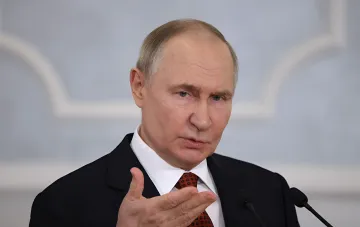
U.S. President Donald Trump and NATO Secretary General Mark Rutte issued a joint statement urging Russia to refrain from any actions that could spread the war against Ukraine to other states. "We also discussed how important it is for Russia to refrain from any actions that intentionally or unintentionally expand the scope of the war, and also how important it is to reach a peaceful resolution to the conflict as soon as possible," the statement read, as cited by RBC-Ukraine.
Kremlin response: redirection to Kyiv
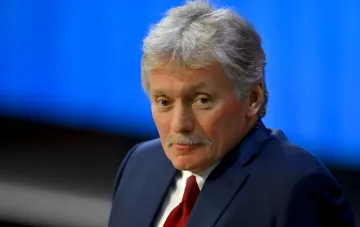
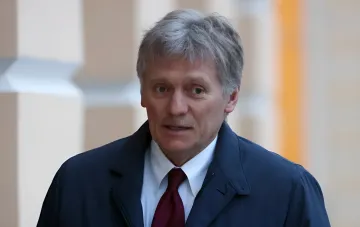
Moscow reacted to this warning in an unorthodox manner: Russian presidential press secretary Dmitry Peskov, according to TASS, stated that the call regarding the "expansion of the conflict" was actually directed not at Russia, but at the Kyiv regime. "Regarding the expansion of the conflict in Ukraine, obviously, they have in mind the attempts of the Kyiv regime. Obviously, the attempt of the Kyiv regime to expand the geography of this conflict is implied," he said. Thus, the Kremlin effectively redirected the warning that Trump and Rutte addressed specifically to Russia towards Kyiv.
Accusations of "terrorist activity"
Peskov also spoke about alleged "terrorist activity" by Ukraine in the Mediterranean and Baltic Seas, without providing concrete evidence. According to him, such actions cause concern among coastal states and, "most likely, within the Alliance as a whole." "Of course, no one would want an expansion of the geography, and this is a potentially very dangerous action by the Kyiv regime," added the Kremlin representative. Note that Trump and Rutte's statement referred to Russia's actions, not Ukraine's, which makes Moscow's reaction controversial in terms of the logic of the appeal itself.
Context: operation near Benghazi
The Kremlin's reaction came against the backdrop of events surrounding the Russian corvette "Mercury". On November 22, media reported that the vessel, which had been anchored for several days near the Libyan port of Benghazi, was almost certainly destroyed after a powerful explosion and fire. Later, Ukrainian President Volodymyr Zelenskyy stated that the destruction of the "Mercury" corvette was the result of a Ukrainian operation, in which, according to him, seven Ukrainian-made sea drones were used.
What this means
The totality of the statements shows a stable pattern of interaction between the parties: Washington and Brussels identify the risk of geographical escalation and address a warning to Moscow, while the Kremlin in response shifts the responsibility for the potential expansion of the conflict to Kyiv, reinforcing this with general accusations of "terrorist activity" without reference to verifiable facts. Against this background, the operation near Benghazi and Zelenskyy's statements about the use of sea drones become the key fact around which the parties build their narratives about the "geographical expansion" of the war.