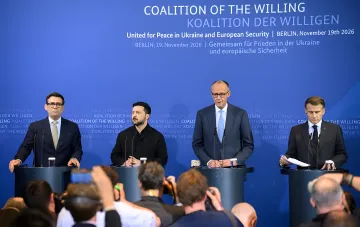
Over the past week, Brussels and several European capitals have consistently called on Moscow to agree to a so-called energy truce for the entire winter period. On November 19, the leaders of Germany, France, the UK, and Ukraine made a joint appeal, and Washington later joined the initiative, calling on both sides to halt mutual strikes on energy infrastructure and food supply chains. European Commission President Ursula von der Leyen, in turn, outlined two specific formats for potential agreements and emphasized that these would demonstrate whether the Kremlin is ready to back up its statements about negotiations with real actions.
Two Truce Formats According to Brussels
According to von der Leyen, the first format involves halting attacks on energy facilities during the winter period, when pressure on energy grids and risks to citizens are at their highest. The second format is meant to ensure the safe transportation of food across the Black Sea, which, according to the European Commission, is significant not only for the region but also for global food markets. Brussels emphasizes that such agreements are viewed as a practical test of Moscow's readiness for dialogue: if the truce is observed, it could serve as the basis for a broader negotiation track.
Moscow's Response: 'Russia Owes Nothing'
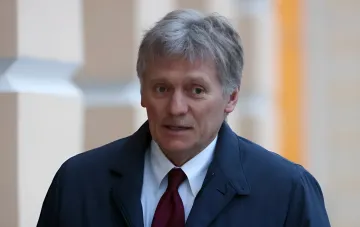
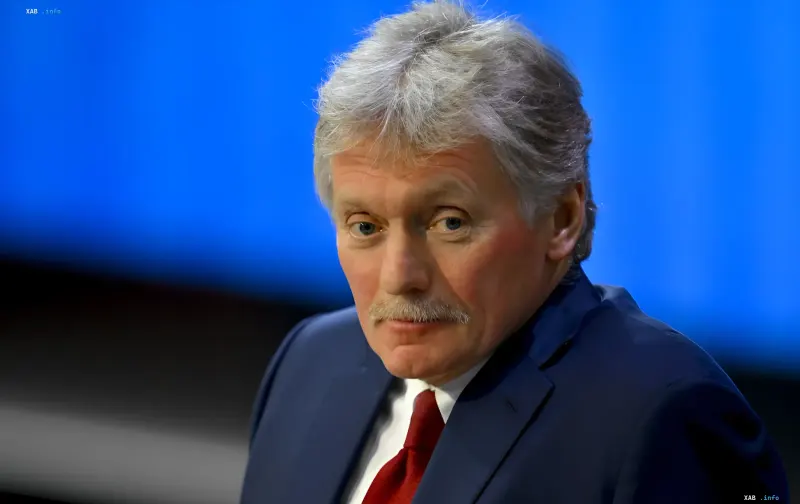
The Kremlin reacted sharply to these initiatives. Russian presidential spokesman Dmitry Peskov stated that "Russia owes nothing" and that its task is to protect its own national interests. According to him, attempts to put forward such demands in the form of an ultimatum, on the contrary, hinder Europe's claims to the role of mediator or participant in the negotiation process. Peskov added that this merely confirms Moscow's "justified concerns" about whether European capitals will be able to adopt a constructive position and genuinely facilitate a peaceful settlement.
Invitations to Moscow and 'Lack of Clarity'
Separately, Peskov noted that EU representatives are responding to invitations to visit Moscow, but in his assessment, this "does not bring clarity yet." Thus, the Russian positioning shifts the focus from the mere fact of negotiations to their format and content: Moscow essentially indicates that without changing conditions and dropping ultimatum demands, a constructive dialogue will not take place. This rhetoric contrasts with the European approach, where the truce is presented as a first and mandatory step, rather than a subject for bargaining.
Context: Divergence in Assessing Readiness for Negotiations
A comparison of statements shows that both sides are talking about the same mechanism—a winter cessation of energy strikes and the protection of food routes—but interpret it in opposite ways. For Brussels and Washington, this is a tool for de-escalation and a test of intentions; for Moscow, it is an "ultimatum" that it has no intention of accepting. Against this backdrop, the issue of a winter truce remains one of the key indicators of whether a minimal negotiating framework can be formed in the coming weeks, and future dynamics will likely depend entirely on Moscow's position.