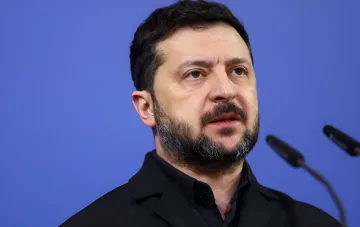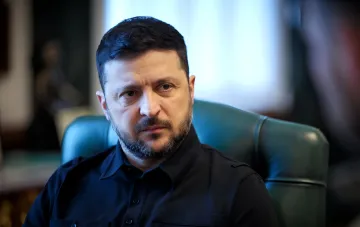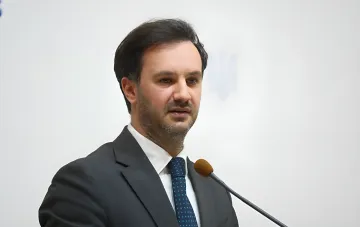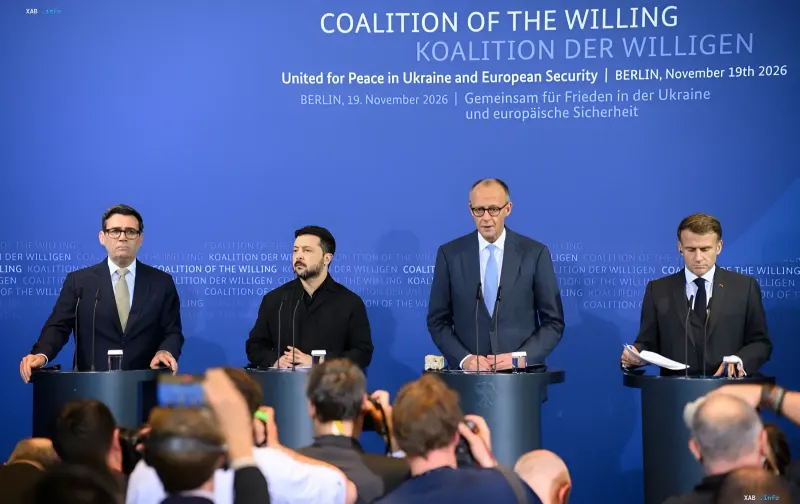
On November 19, following the meeting of the 'Coalition of the Willing' in Berlin, the leaders of Germany, France, the UK, and Ukraine adopted a joint statement calling on Russia to agree to an 'energy truce' for the entire winter period. According to President Volodymyr Zelenskyy, more than 40 countries and international organizations participated in the meeting. US special envoys Jared Kushner and Steve Witkoff also arrived in Berlin on the morning of November 19, with Kushner stating their main goal was closer coordination between the US, Ukraine, and Europe.
Energy Truce and the Black Sea
In the joint text, the cessation of strikes on energy infrastructure is described as the first step towards a broader cessation of hostilities. Separately, the leaders insist on an agreement for a ceasefire in the Black Sea, which they assess is vital for safe food exports from the region and, consequently, global food security. The signatories condemned Russian missile and drone strikes against civilian targets and infrastructure in Ukraine. 'Russian escalation attacks against the civilian population of Ukraine cannot compensate for Russia's failure on the battlefield,' the statement reads.
Security Guarantees and Air Defense
The leaders stressed that Ukraine must receive reliable and legally binding guarantees immediately after a ceasefire comes into effect. The guarantees will be defensive in nature and closely coordinated with the US. Air defense remains a priority, including anti-ballistic missile systems: ahead of winter, the leaders, together with third countries, will seek additional air defense systems for Ukraine. Currently, relevant forces are conducting training under the Koalicja-2026 program, predominantly on Polish territory.
Financial Support and Pressure on Russian Revenues
NATO countries reaffirmed their intention to provide Ukraine with 70 billion euros in military assistance in 2026 and at least the same amount in 2027. In addition, under the EU Ukraine Support Loan, Ukraine will receive up to 90 billion euros by the end of 2027 for defense and financial needs. The leaders agreed to increase pressure on Russia's oil and gas revenues, impose sanctions on Russian cryptocurrencies, and combat the 'shadow fleet.' Russian assets will remain frozen until Moscow ends the war and compensates Ukraine for damages.
Negotiation Track and US Position
The leaders supported direct dialogue between Ukraine and Russia with the participation of the US and Europe, noting that borders cannot be changed by force and that Ukraine has the right to choose its alliances independently; any agreements concerning the EU and NATO will require the consent of their members. At a press conference in Berlin, US Presidential Special Envoy Jared Kushner stated that Russia allegedly agrees to security guarantees for Ukraine modeled after NATO's Article 5 and that American negotiators have made significant progress on this issue. Moscow has not publicly confirmed this. The meeting between European allies and US envoys was scheduled so that Europeans could prepare a common position in case of new statements following US President Donald Trump's talks in China; earlier, Zelenskyy noted that Kyiv expects information from the Americans about these talks to plan the next steps toward ending the war.