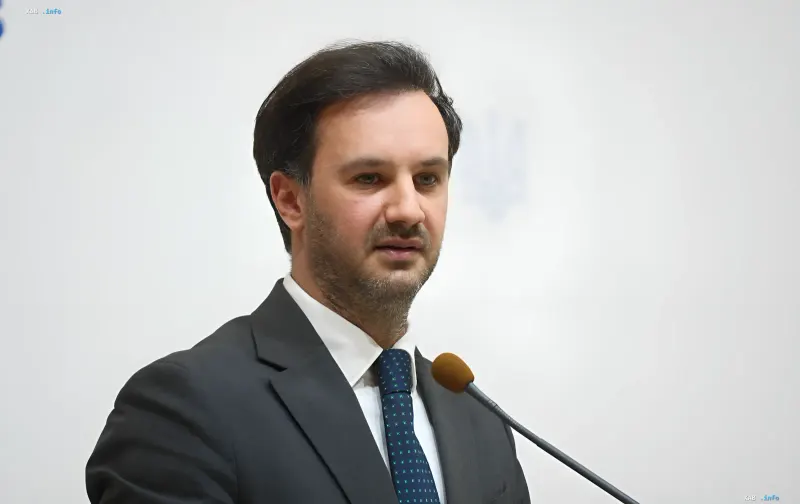
Spokesperson for the Ministry of Foreign Affairs of Ukraine Heorhii Tykhyi stated that a number of states directly dependent on supplies through the Black Sea, including those carried out by Ukraine, could play a more active role in prompting Russia to agree to a ceasefire format—the so-called 'food truce' in the Black Sea. According to the Ukrainian MFA representative, Kyiv is ready to implement such a format, but its launch requires the consent of the Russian side.
Black Sea in the Focus of De-escalation Talks
Tykhyi emphasized that the issue of the Black Sea is in the focus of discussions and negotiations among de-escalation steps. The MFA representative pointed out that a number of countries are directly dependent on supplies through the Black Sea basin, and it is these states that possess the leverage to push Moscow into accepting the terms of a 'silence regime'. The Ukrainian side, according to Tykhyi, is ready to implement such a format, but its launch is impossible without Russia's consent.
Turkey Calls for Ceasing Attacks and Prepares Legal Mechanisms
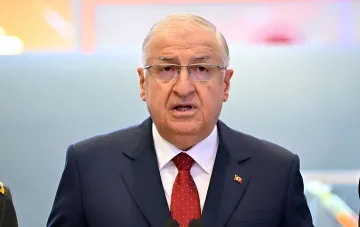
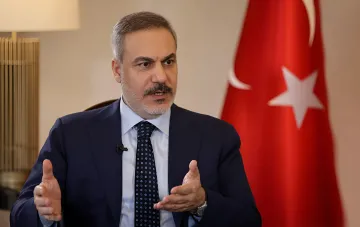
Against the backdrop of these statements, Turkey previously called on Ukraine and Russia to halt attacks in the Black Sea. Ankara announced for the first time its readiness to take 'legal measures' in the event of strikes against vessels associated with the Turkish side. This step indicates that Istanbul, as a key player in the Black Sea region, is moving from diplomatic appeals to the preparation of concrete legal instruments to protect its shipping.
NATO Strengthens Its Presence in the Black Sea
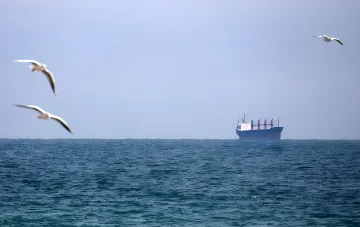
In parallel with diplomatic initiatives, NATO is strengthening its military presence in the Black Sea. The alliance plans to deploy additional patrol aircraft, electronic warfare systems, and unmanned aerial vehicles. This decision was made following a series of attacks on vessels in the region, which, according to Western sources, may be linked to Russia's war against Ukraine. The strengthening of the alliance's presence aims to ensure navigation safety and protect civilian and commercial vessels.
Bulgaria Joins Counter-Drone Initiative
An additional element of regional security was Bulgaria's decision to join NATO's initiative to counter unmanned aerial vehicles. This step was taken amid ongoing attacks on vessels in the Black Sea and demonstrates the expansion of a coalition approach to ensuring the security of the maritime area. Thus, a multi-tiered system is forming around the issue of Black Sea security: from diplomatic pressure on Russia via supply-dependent countries to the practical strengthening of the alliance's military presence and the development of legal mechanisms to protect shipping.