Amid ongoing trilateral negotiations between Russia, the US, and Ukraine in Abu Dhabi, the Institute for the Study of War (ISW) has published an analytical report noting Moscow's return to the ultimatum demands it previously issued to Washington and NATO in December 2021. According to RBC-Ukraine, institute analysts point out that the Kremlin is attempting to use the trilateral consultation format not so much to resolve the conflict in Ukraine as to revise the entire European security system. Analysts cite a key indicator of this course: a statement by Russian Foreign Minister Sergey Lavrov, who asserted that before proceeding to settle the war in Ukraine, it is necessary to agree on Europe's future security architecture, calling this approach "completely reasonable."
Return to Ultimatums: What Exactly Moscow Demands
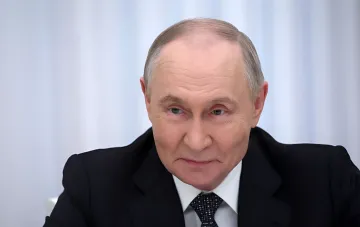
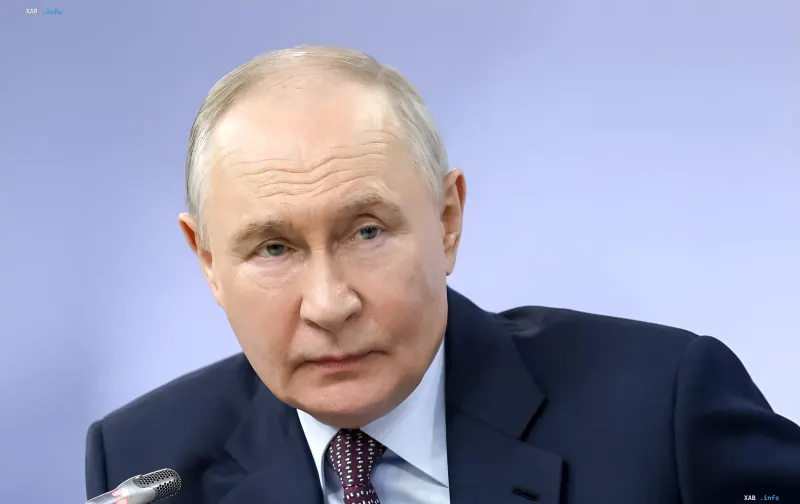
According to ISW, a similar position was voiced by an unnamed source within the Russian delegation at the Abu Dhabi talks. The source stated that ending the war in Ukraine is merely one item in a broader discussion on European security, which, according to Moscow's design, should become the main topic of negotiations. On the first day of consultations in Abu Dhabi, the Russian delegation, as reported by RBC-Ukraine sources, explicitly brought up its proposals for altering the security architecture that Vladimir Putin presented to Joe Biden in December 2021. Key points include rejecting further NATO expansion and restricting Western military cooperation with Ukraine.
Practical Meaning of Demands: Veto Power over Alliance Policy
ISW analysts emphasize that the statements regarding European security architecture refer to Russia's December 2021 demands for NATO to halt the deployment of new weapons and military personnel in states that joined the Alliance after 1997. In essence, this grants Russia veto power over NATO policy and restricts the sovereign choices of states wishing to join the North Atlantic Alliance. Thus, Moscow is effectively attempting to embed a mechanism into the final documents of the negotiation process that would allow it to block decisions made by sovereign member states of the Alliance.
Washington’s Position: Sovereignty and NATO's Central Role
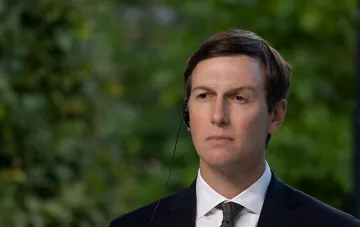
ISW notes that the Kremlin recently resumed its initial demands on NATO, which directly contradict statements by U.S. President's Special Envoy Jared Kushner. Kushner stated that every country must retain its sovereignty and authority over its security and alliances following peace talks to end the war in Ukraine, and that NATO will remain the central structure. At the same time, Washington is also promoting the idea of a pan-European security pact: Kushner stated that the US wants to build a security architecture that will prevent the war from restarting. However, as analysts note, Moscow's approach and Washington's approach to the substance and sequence of these negotiations differ fundamentally.
European Caution and Kyiv’s Position
In the EU, the proposal to build a new security architecture was met with caution. According to Bloomberg, Europe insists that Russia must first stop the war and only then move on to discussing security issues. Meanwhile, Ukrainian President Volodymyr Zelenskyy outlined three steps after which, in his view, a dialogue on European security with Russia is possible. Thus, Kyiv and Brussels are establishing a sequence opposite to the one promoted by Moscow: first, a cessation of hostilities, followed by discussions on security guarantees.
ISW Assessment: “Cognitive Warfare” and Substitution of Causes
In the concluding part of the report, ISW analysts conclude that the Kremlin has spent years trying to justify its aggression against Ukraine using a fictitious threat from NATO. Moscow claims that Ukraine's potential membership in the Alliance allegedly threatened Russia's security and was one of the "root causes" of the war that peace talks must eliminate. At the same time, according to ISW's assessment, NATO has never posed a threat to Russia's security. "The Kremlin's prolonged cognitive warfare campaign, falsely accusing NATO and Ukraine of threatening Russia's sovereignty, aims to justify Russia's efforts to regain control over former Soviet states and does not reflect Russia's genuine security concerns," the institute's analysts summarized.