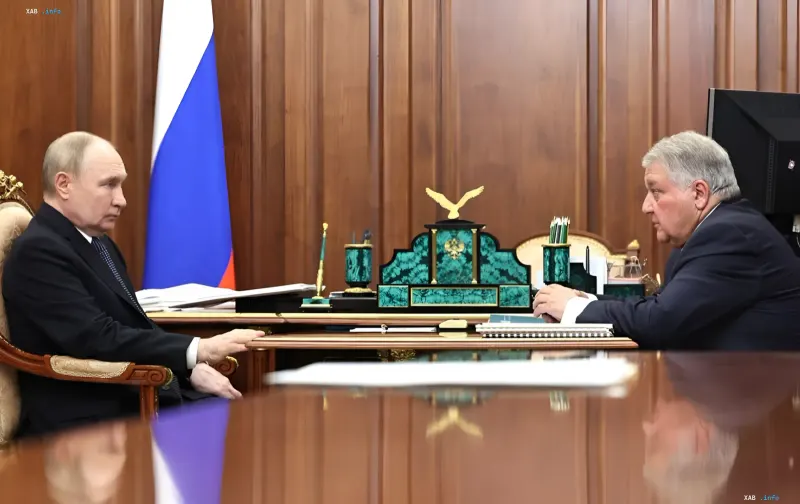
At the Kurchatov Genomic Forum in Moscow, Mikhail Kovalchuk, described by Russian and foreign media as a long-time associate and informal scientific adviser to Russian President Vladimir Putin, spoke about Kurchatov Institute programs aimed at finding ways to extend human life. According to him, Russian researchers have assembled a collection of elderly primates to study the mechanisms of aging. Kovalchuk emphasized that primates are the closest fauna representatives to humans and serve as the "basis for creating a regulatory system" in this field.
Collection of Elderly Primates and Full Screening
As Kovalchuk reported, the institute's nurseries house more than 7,000 monkeys belonging to 22 species. Scientists pay special attention to older animals — ranging from 18 to over 30 years old. "We are screening elderly monkeys to investigate all stages of aging. We evaluate animals aged 18 to over 30 years. We conduct a full screening: biochemical, structural analysis, study blood vessels, the brain — everything," he stated. According to the researchers' design, this work should allow tracing aging through all its stages in a species as close to humans as possible.
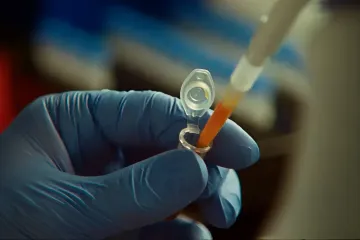
Biobank of Long-Lived Monkey Blood
In addition to population screening, the Kurchatov Institute, together with the Russian Research Center of Surgery, has created a special biobank containing blood samples from long-lived monkeys. Center Director Konstantin Kotenko explained that these materials will be used to study the biological mechanisms of aging. Thus, the project combines field observations of the primate population with laboratory analysis of biomaterial, which participants say allows building a comprehensive picture of aging-related processes.
Who Is Behind the Project and the Context of Longevity Interest
Mikhail Kovalchuk is described in open sources as a close associate and informal scientific adviser to the head of the Russian state; his brother Yury Kovalchuk, according to media reports, is a billionaire and also part of the inner Kremlin circle. Longevity issues in Russia are reportedly pursued by other figures from the entourage as well: in October, Vladimir Putin's eldest daughter, endocrinologist Maria Vorontsova, spoke at the Skolkovo Moscow School of Management, where a longevity laboratory began operating, and called human efforts to exceed natural lifespan limits an attempt to "deceive God." Separately, it is noted that in September 2025 during a visit to China, Putin — based on journalists' analysis of their conversation — discussed with Chinese leader Xi Jinping the prospect of extending human life to 150 years.
Funding and Related Areas
Research in genetics and longevity in Russia is not limited to working with primates: scientists are also developing cellular aging slowdown via gene therapy and growing organs for transplantation inside genetically modified mini-pigs. According to reports, significant state funding is allocated for such developments: the budget for 2027–2029 earmarks nearly 18 billion rubles for the "New Health Preservation Technologies" program aimed at finding ways to extend the healthy life period. RBC-Ukraine previously reported that substantial funds are being allocated to projects related to finding ways to extend life, including work with mini-pigs.