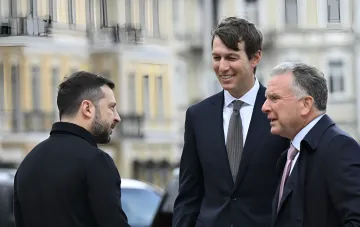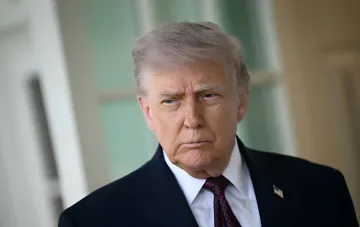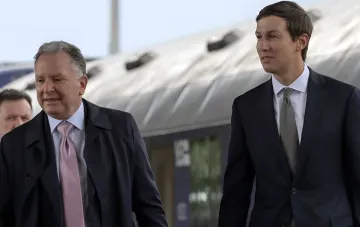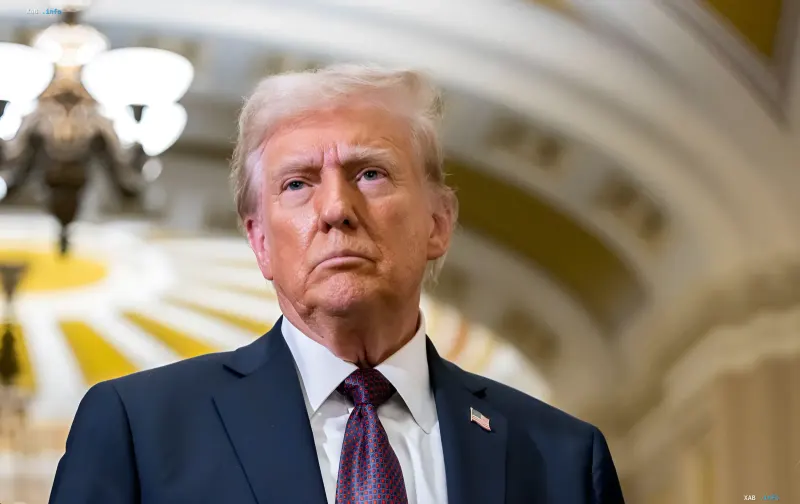
Jared Kushner, special envoy of US President Donald Trump, stated at a press conference following the talks in Kyiv that Washington is preparing a new project aimed at ending the war and achieving a lasting peace in Ukraine. According to him, President Trump set a specific task for the American delegation — to prepare so-called "peace package," which should serve not merely as a tool for a ceasefire, but as a comprehensive mechanism guaranteeing the sustainability of a peaceful settlement in the region. The statement was made on September 6, 2026, and became one of the most detailed public descriptions of the US peace initiative since its announcement.
'Peace Package': From Ceasefire to Institutional Settlement
A key emphasis in Kushner's statement was that Washington intends to go beyond a classic "armistice" or "freezing of the conflict." "The President is now focused not simply on stopping the conflict, but on creating the framework within which, perhaps, a long-term peace can be built," the special envoy emphasized. This means that the foundation of the American proposal will most likely be not a unilateral cessation of hostilities, but a system of mutual commitments, security guarantees, and, presumably, economic incentives for all parties involved. Kushner added that implementing such a mechanism would allow "to end the hostility and open up the possibility of realizing the potential of both countries," indicating the pragmatic rather than purely ideological nature of the American approach.
Diplomatic Route: Moscow and Kyiv in a Single Cycle
The American delegation's visit to Kyiv became the final stage of a multilateral diplomatic cycle that included preliminary consultations in Moscow. As sources clarify, before meeting with Ukrainian authorities, US representatives held a series of negotiations with the Russian side, confirming the "two-track" format in which Washington is simultaneously engaging in dialogue with both sides of the conflict. At the conclusion of both stages, Kushner and his colleague Steve Witkoff expressed satisfaction with the course of the negotiations, noting the constructiveness of the discussions both in Moscow and in Kyiv. Notably, according to Meduza, the visit to Ukraine was the first for Kushner and Witkoff in their capacity as official representatives of the American administration on the Ukraine file.
Tone of Diplomacy: Gratitude and Emphasis on Partnership
Particular attention deserves the rhetoric Kushner chose in addressing the Ukrainian side. The special envoy emphasized that the American side "highly values the warmth of the reception by the Ukrainian authorities and President Volodymyr Zelensky." Such an emphasis on personal rapport and the atmosphere of the negotiations, against the backdrop of discussions on strategic issues, is traditionally regarded in diplomatic practice as a signal of intent to build a sustainable channel of communication rather than limit itself to a one-off contact. This may also indicate that Washington views Kyiv as an equal partner in developing the peace plan, not solely as an object of settlement.
Strategic Context and Expectations
The announcement of the "peace package" against the backdrop of ongoing hostilities raises the question of what specific parameters will be included in the American proposal. Neither Kushner nor Witkoff disclosed details at the press conference: no conditions were named regarding the territorial issue, the status of security, military guarantees, or economic compensation. The limited public information at this stage may indicate that the document is still at the stage of internal refinement and is not ready for public discussion. Nevertheless, the very fact that the task was formulated directly by the President and delegated to the relevant special envoys increases the weight of the initiative and indicates its priority on the White House agenda for the current period.