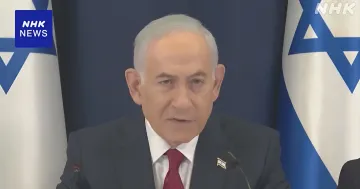
On Monday, August 17, 2026, a key meeting took place in Jerusalem between Israeli Prime Minister Benjamin Netanyahu and Special Envoy to US President Donald Trump, Jared Kushner. The meeting occurred the day after Kushner's negotiations with Hamas leaders in Egypt and marked a turning point in the Middle East peace process. The US Special Envoy assured the Israeli Prime Minister that the redeployment of Israeli troops out of the Gaza Strip will not take place until Hamas militants are fully disarmed and the territory is demilitarized.
Strict conditions: disarmament as a priority
According to a statement from a representative of the "Peace Council" created by the Trump administration, the US and Israel have reached a consensus on a fundamental security issue. The deal's terms state: the withdrawal of the Israeli army will be impossible without the complete disarmament of both light and heavy weapons in Gaza, as well as the liquidation of Hamas's tunnel system. This decision reflects Jerusalem's position, which insists that Israel's security cannot be guaranteed as long as armed formations remain in the sector.
Kushner emphasized that the US will not allow the reconstruction of Gaza's infrastructure until full demilitarization is achieved. This means that any plans for humanitarian aid or city reconstruction will be frozen until Hamas fulfills its obligations to hand over weapons and destroy underground communications.
30–90 day forecast: disarmament timeline
In an interview with Fox News, Jared Kushner voiced an optimistic but specific forecast. According to him, progress in demilitarization could begin as early as 30 days after the negotiations with Netanyahu. "We could see progress within 30 days. I hope we will start extracting some weapons and, possibly, filling in some tunnels within the next 60–90 days," Kushner stated. He added that for Israel, this would be a "mutually beneficial situation," as the voluntary handover of weapons by Hamas would eliminate a "huge security threat," which was previously considered a "practically unthinkable achievement".
However, Kushner also warned: if Hamas fails to fulfill its promises, Israel will receive "much greater support from the US and other countries to complete the task at hand properly". This could mean a resumption of military operations or increased pressure on the militants.
Contradictory data
Despite Kushner's statements about achieving progress, analysts and sources at Bloomberg point to a serious deadlock. According to sources, Hamas insists on the withdrawal of Israeli troops before the disarmament process begins. This creates a fundamental contradiction: Israel demands disarmament as a condition for withdrawal, while Hamas demands withdrawal as a condition for disarmament. Such a divergence in positions casts doubt on the possibility of implementing the deal in the foreseeable future.
Furthermore, at the end of July 2026, President Trump stated that the "Peace Council" had already reached an agreement on the disarmament of Hamas. However, current negotiations show that details and conditions are still being discussed, which reduces optimism regarding a speedy peace. The discrepancy between Trump's statement and the actual course of negotiations raises questions about the parties' readiness for compromise.
Consequences for the region and the role of the US
The role of the US in this process goes beyond mediation. Jared Kushner, as Special Envoy, effectively determines the conditions under which the reconstruction of Gaza will be permitted. This gives Washington significant leverage over both sides. If Hamas refuses to disarm, the US could increase support for Israel, including weapons supplies and diplomatic isolation of the militants. If Israel refuses to withdraw troops, the US could pressure Netanyahu to avoid escalation.
Thus, August 17, 2026, became the day when the peace process in Gaza moved from general statements to specific conditions. However, the implementation of these conditions depends on Hamas's willingness to make concessions, which remains in question for now.