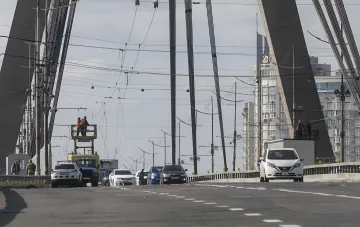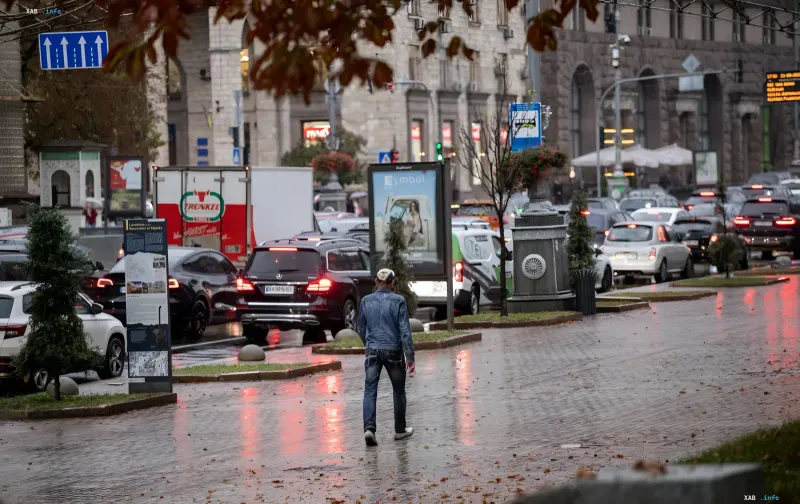
On the morning of November 17, 2026, temporary traffic restrictions were introduced on the Northern and Southern bridges in Kyiv in both directions. According to RBC-Ukraine, both key crossings across the Dnipro were targeted overnight, resulting in the suspension of car and public transport traffic. The capital, deprived of its two main links between the banks, faced a massive transport collapse: multi-kilometer traffic jams formed on the left bank, and the operation of the metro and surface transport was forcibly rerouted.
Condition of the bridges and work of specialists
Kyiv Mayor Vitali Klitschko published a video from the Northern bridge, which, along with the Southern bridge, came under enemy attack overnight. According to the mayor, specialists are working at the site to inspect both structures and determine the extent of the damage. "After the experts' conclusions, we will understand when we can open traffic on these bridges," Klitschko stated. Thus, the timeline for restoring the crossings directly depends on the results of the ongoing technical expertise.
How to cross the Dnipro: detours and metro
According to the Kyiv City State Administration (KCSA), public transport routes that previously ran across the Northern and Southern bridges have been temporarily altered: buses and trolleybuses are detouring via the Podilskyi Bridge Crossing. In the Kyiv Metro, train traffic on the "green" (Syretsko-Pecherska) line has been suspended between Osokorky and Chervonyi Khutir stations. Trains run only on the underground section between Syrets and Vydubychi stations. City authorities promised to provide additional updates regarding the full resumption of underground traffic.
Transport collapse on the left bank
Due to the closure of the two key crossings, Kyiv's left bank was locked in massive traffic jams: columns of cars are standing in the direction of the right bank, where the main passenger traffic is concentrated. According to eyewitnesses, traffic in a number of areas is difficult or has completely stopped. The situation is aggravated by the fact that the alternative Podilskyi crossing cannot single-handedly handle the entire flow that was previously distributed among the three bridges. City services and carriers, similarly to previous incidents, are increasing the number of rolling stock on key bus routes to reduce the load on the remaining crossings.
Context: a series of attacks on crossings
The night attack on November 17 was not the first strike on the capital's bridge infrastructure this year. Earlier, on the night of November 7, Russian troops launched a strike on the Northern bridge, damaging the roadway, the trolleybus contact line, and power lines, while the blast wave damaged several trucks in the parking lot near the bridge. A separate incident was recorded on October 22, 2026, when the infrastructure of the Southern bridge was damaged as a result of a night attack, which also led to restrictions on the green metro line and the closure of the surface crossing. The recurrence of strikes on the crossings emphasizes their critical importance for the city's transport connectivity and the vulnerability of Kyiv's logistics amid ongoing attacks.