Official response from authorities: no plans to return to old fares
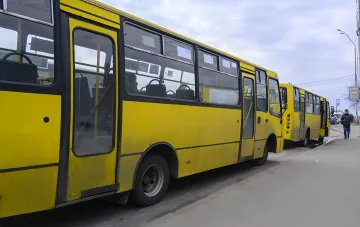
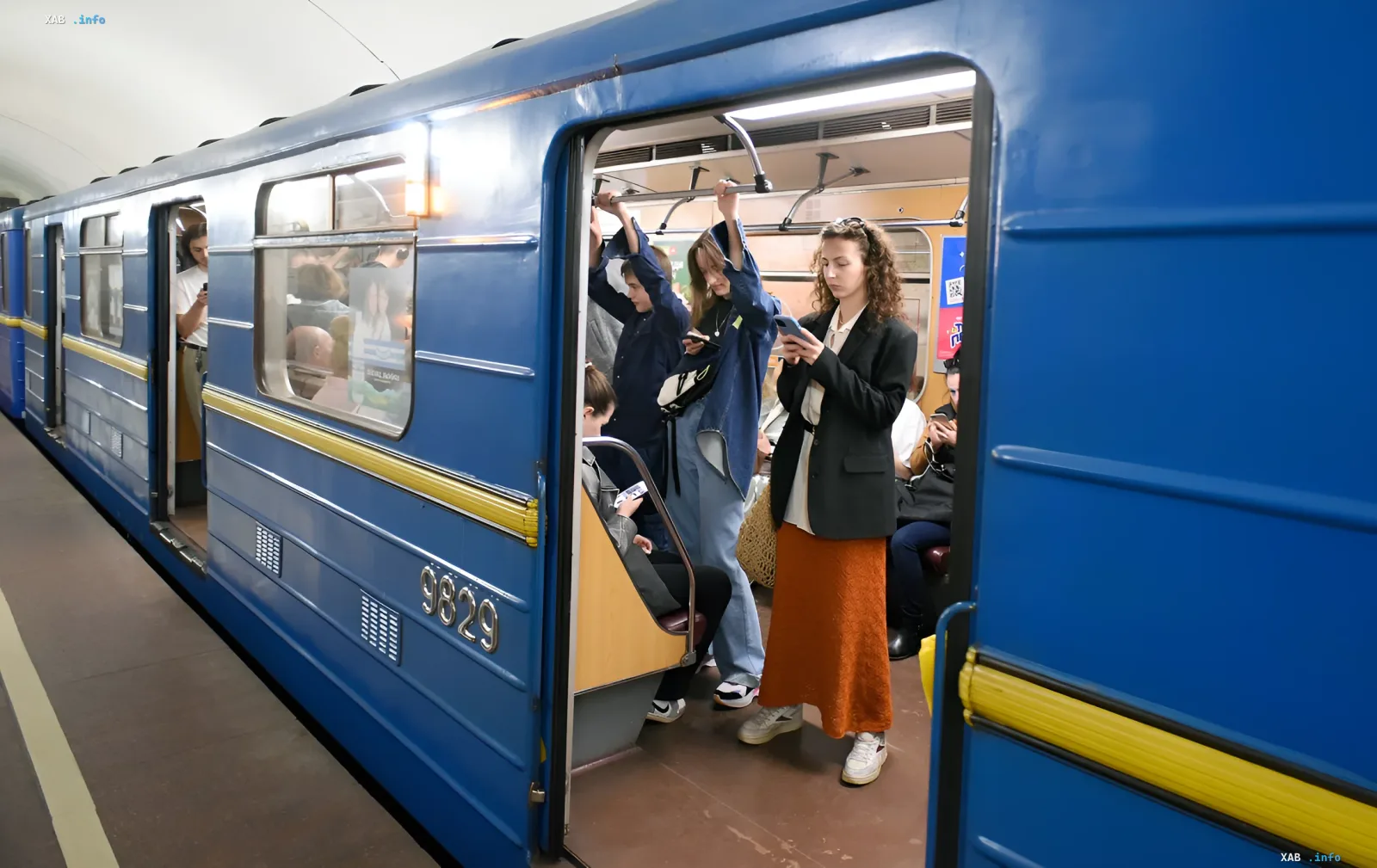
The Department of Transport Infrastructure of the Kyiv City State Administration (KCCA) has officially responded to inquiries regarding the possible reduction of fares in the capital's public transport. As of August 13, 2026, the department confirmed that there is no information about changing the current fare. This means that rumors about a possible return of the ticket price to 8 hryvnias have no official basis. Currently, the cost of a single ride in the metro, buses, trolleybuses, and trams is 30 hryvnias, and the authorities see no reason to review this amount in the near future.
Representatives of the KCCA emphasized that the fare was established based on a thorough analysis of economic indicators and is not subject to adjustment without valid grounds. In response to inquiries from citizens and the media, the administration noted that any changes in pricing require a complex procedure of coordination and justification, which is not currently being conducted.
Economic justification for the increase: from 8 to 30 hryvnias
The sharp increase in the cost of travel from 8 to 30 hryvnias, which took place on July 15, 2026, was caused by a critical rise in operating costs. The KCCA explained that Kyiv's transport system faced a multiple increase in the cost of electricity, fuel and lubricants, and labor costs. In addition, a significant part of the budget is consumed by the maintenance and repair of transport infrastructure, which requires constant investment to ensure passenger safety.
Authorities argued that maintaining the fare at the level of 8 hryvnias would lead to a system collapse: the inability to purchase spare parts, service rolling stock, and pay electricity bills. Thus, the increase to 30 hryvnias was positioned as a forced measure to maintain the operation of public transport in conditions of economic instability.
Social resonance and wave of protests
Despite the economic justification by the authorities, the fare increase caused a wide public resonance. Since the introduction of the new fare, regular protest actions have begun in Kyiv. Citizens are demanding open public discussions and a return of the fare to previous values. The last mass action took place on August 11, 2026, directly near the KCCA building, where protesters expressed their dissatisfaction with the price increase against the backdrop of a decline in real incomes of the population.
Particular concern is caused by the fact that, despite the fare increase, the right to preferential travel was preserved for schoolchildren, pensioners, military personnel, and other categories of citizens. However, for working citizens not covered by benefits, the cost of travel has become a significant burden on the family budget.
Alternative proposals: petitions and fleet reduction
Against the backdrop of discussions about fares, civic activity in the form of online petitions has intensified in Kyiv. Recently, an initiative was registered calling for a reduction in the number of rolling stock of communal enterprises by at least 50%. The authors of the petition propose this step as a way to reduce operating costs and, as a result, reduce fares for passengers. Another initiative proposes introducing a limit on free travel for pensioners to reduce the load on the transport system and redistribute budget funds.
These proposals reflect the search for compromise solutions in society, but they have not yet found a response from city authorities, which insist on the current model of financing and operation of transport.