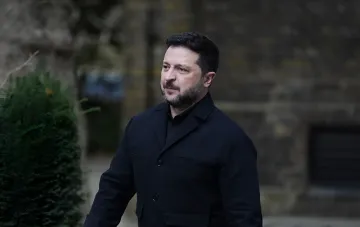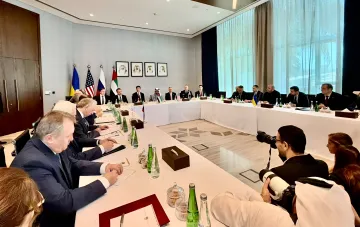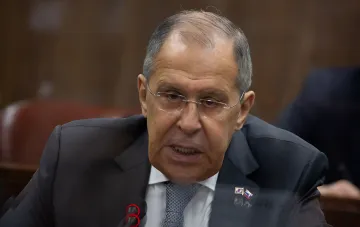
Amid preparations for the first trilateral talks between Ukraine, the US, and Russia since February, scheduled for November 10–11 in Abu Dhabi, assessments suggesting a potential shift in the parties' positions have emerged in the public sphere. According to the BBC, US officials speaking to journalists on the eve of the meeting indicated that Kyiv and Moscow are demonstrating "some flexibility" in private regarding who will control Ukraine's eastern regions in a post-war scenario. However, the public statements from both capitals remain rigid, and the divergence in positions on ending the war persists.
"Some flexibility" behind closed doors
As the report notes, neither side has officially abandoned its demands, yet according to a US official, public rhetoric does not reflect the entire picture: in private, both sides have shown "some flexibility." This signal comes as the diplomatic track is effectively restarting after a long hiatus, with the Abu Dhabi meeting viewed as a test of how far participants are willing to go in a closed-door dialogue.
Donbas as a key point of contention
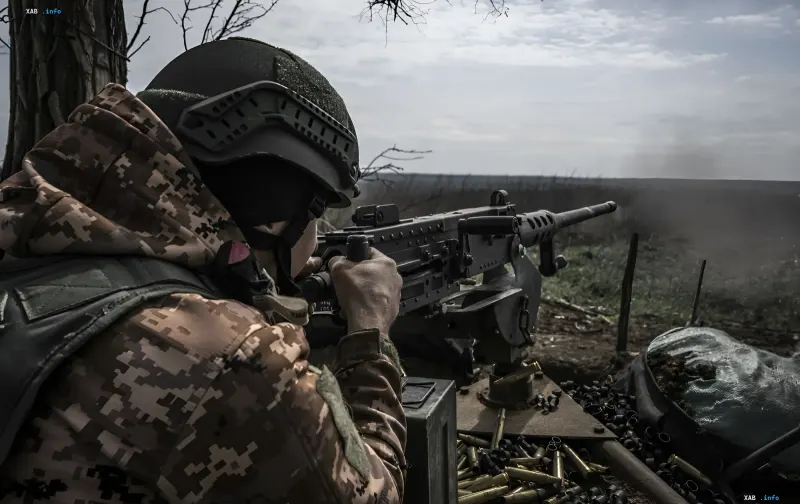
The central point of dispute remains the Donetsk region, most of which, according to the report, is currently controlled by Russian forces. Moscow is reportedly demanding that Ukraine abandon the remaining Donbas territory still held by Kyiv. In turn, the Ukrainian side insists on freezing the frontline to maintain control over areas it deems critical for the country's future security. It is this incompatibility of demands that makes the territorial issue the most complex element of the upcoming negotiations.
Security architecture as a condition for resolution
The US official acknowledged that the territorial problem cannot be resolved without discussing a new "security architecture." According to him, the parties will not be able to resolve the Donbas issue until it is clear what the post-war security order will be: "They won't resolve the Donetsk and territorial problems until they know what the security architecture is going to be after the war. And that implies that we won't be able to finish one without the other." For Ukraine, such an architecture might include guarantees of assistance from allies in the event of a new attack; for Russia, it involves the long-standing desire for NATO's withdrawal from Eastern Europe, which, as the BBC stresses, would alarm European capitals. Proposed mechanisms include security consultations, hotlines for crisis communication, and "mutual de-escalation measures."
The role of Europe and a multilateral format
The question of European participation in the negotiation process has also come to the fore. Officials discussed the possibility of resuming the work of the NATO-Russia Council, which has been largely suspended since 2022. Earlier, European Commission President Ursula von der Leyen called for including NATO and EU allies in any meaningful discussions on Europe's security architecture, and Ukrainian President Volodymyr Zelensky also advocates for European participation. The US official told the BBC that the US will propose moving to a multilateral format involving Europeans, adding that "the Russians had a bad impression of the Europeans" while expressing hope that they could be brought to the table.