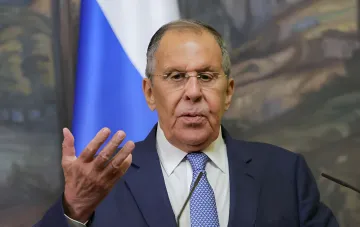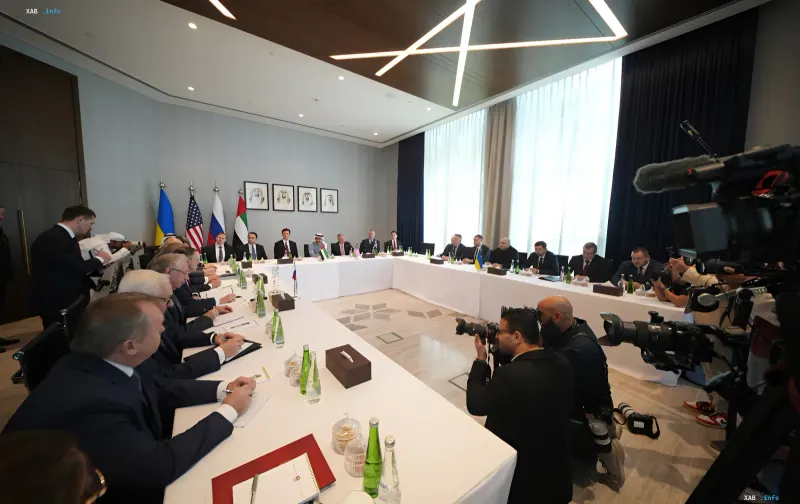
The second day of trilateral talks in Abu Dhabi, involving representatives from Ukraine, Russia, and the United States, took place in a tense atmosphere. According to sources, the Russian delegation refused to discuss a number of key topics with Ukrainian representatives: territorial issues, a ceasefire, energy, and security in the Black Sea. According to one interlocutor, the focus of the meeting shifted to strategic issues regarding Europe's future security architecture, while Russia's war against Ukraine was effectively relegated to tactical matters.
Rejection of Key Topics and "Mandate"
Ukrainian President Volodymyr Zelenskyy previously stated that the Abu Dhabi meeting raised issues regarding a potential energy truce and maritime truce, but the Russian delegation claimed it lacked the mandate to discuss these topics. According to him, the parties agreed that the American side would meet with the Russian leader and that these issues would be raised there. Sources, however, deny that the Ukrainian delegation refused to discuss territorial issues: according to them, the parties did not even reach a substantive review of such topics.
Return to 2021 Proposals
According to sources, the Russians again insisted on returning to their proposals from December 2021, when Moscow proposed formalizing so-called "security guarantees" in agreements with the US and NATO. Among the demands were the refusal of further Alliance expansion, restrictions on the deployment of allied troops in countries that joined NATO after 1997, and limitations on military cooperation with post-Soviet states outside the North Atlantic Alliance, including Ukraine. One interlocutor sees this as an attempt by Moscow to shift the negotiations into the logic of great power agreements on the division of spheres of influence.
Timeline and Dynamics
The official part of the talks lasted about two hours, according to sources, after which consultations between the delegations in various formats continued for at least another three hours. Sources evaluate the overall dynamics of the negotiation process cautiously: there is certain movement, but they do not yet see any breakthroughs for Ukraine. Earlier, Western media reported that Ukraine rejected a proposal by American representatives to alter the administrative borders of the Donetsk and Luhansk regions.
Europe's Role in Future Rounds
During the Abu Dhabi round, European representatives did not hold direct talks with the Russian delegation. However, as sources predict, the format of future meetings may change: discussing Europe's future security architecture requires the direct participation of European parties, and in upcoming meetings, they will likely be involved in joint negotiations with Russia. "On the positive side, European representatives — though it is not yet known who they will be — will be on our side, since the European and Ukrainian security architectures are inseparable," noted one of the interlocutors.
Assessments by the Parties
David Arakhamia, leader of the Servant of the People faction, previously described the Abu Dhabi talks as tough, explaining that this toughness was evident in the directives brought by the Russian delegation. According to him, the format of discussing the post-war future helped establish a dialogue, making the work more productive. Arakhamia emphasized that there is a good impulse for finding a solution by the beginning of next year.