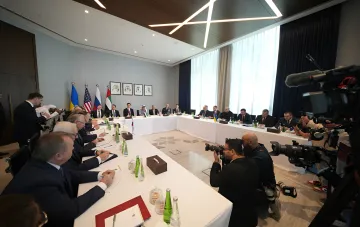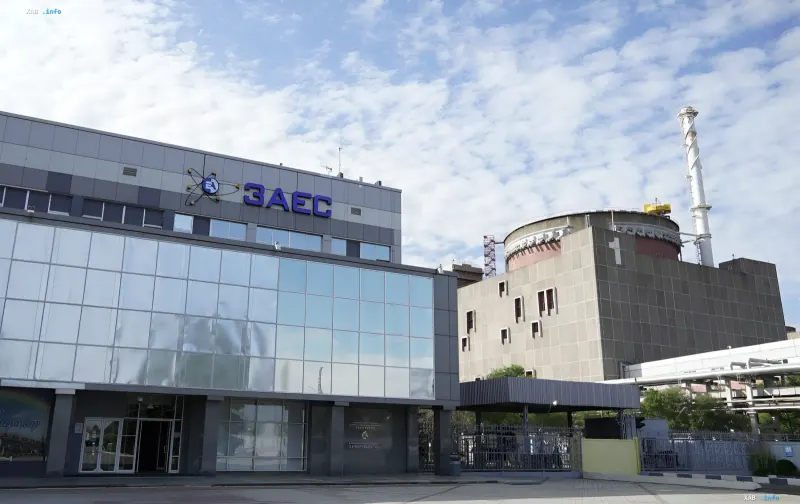
The International Atomic Energy Agency (IAEA) is conducting negotiations with Russia and Ukraine to organize a new, ninth local ceasefire at the Zaporizhzhia Nuclear Power Plant. According to the agency's press service, cited by RBC-Ukraine, diplomatic efforts were launched following another disconnection of external power supply to the station, which is under occupation control. The incident became another episode of chronic instability in the ZNPP's power supply, which the agency has recorded throughout the entire conflict.
The Ninth Local Truce and the Only Remaining Line
As follows from the IAEA statement, the connection of the station to the sole surviving 330 kV external power transmission line, Ferroalloy-1, was interrupted on November 25 at 05:28 local time. It was following this disconnection that the agency began coordinating another local ceasefire regime with both parties. The reactor hall's reliance on a single external line, according to the IAEA assessment, makes the station's power supply extremely vulnerable: a single disruption is enough for the ZNPP to be cut off from external power sources once again.
The Eighty-Eighth... No, Twenty-Eighth Time on Emergency Diesels
The agency emphasized that for the 28th time during the conflict, the Zaporizhzhia NPP has been forced to use emergency diesel generators to maintain core nuclear safety functions. IAEA Director General Rafael Grossi stated that the station "has once again faced a disconnection of external power supply," linking this to the constant reliance on a single power transmission line, as well as the station's location on the frontline of active combat zones. According to him, the combination of these factors leads to "extremely unstable external power supply."
Differing Assessments of the Disconnection Cause
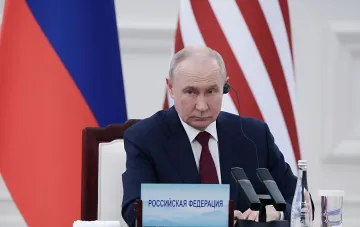
The parties explain the causes of the disruption differently. The IAEA points out that the disconnection occurred as a result of military action. Russian operators of the station, in turn, published a statement claiming that the disconnection happened "after protective devices triggered," and emphasized that the diesel generators are operating properly. Thus, the very fact of switching to backup power and disconnecting the external line is recognized by both parties, while its cause is interpreted differently.
Call to End Military Activity
Commenting on the latest incident, Rafael Grossi urged both parties "to cooperate constructively with the IAEA with the aim of halting military activity" and continuing repair work at the station. Essentially, the agency acts as a mediator in coordinating local quiet periods that allow restoration work to be carried out and nuclear safety risks to be reduced amid ongoing combat near the facility.
Context: Seventeenth Blackout Since the Beginning of the Year
To recap, on November 25, due to shelling, the Zaporizhzhia NPP once again lost external power and switched to backup diesel generators. This is already the seventeenth blackout at the station since the beginning of the year, which underscores the systemic nature of the ZNPP's power supply problems and explains why the IAEA views local truces as a tool to ensure the safety of the plant.