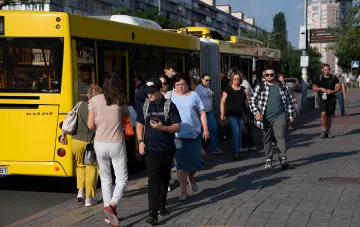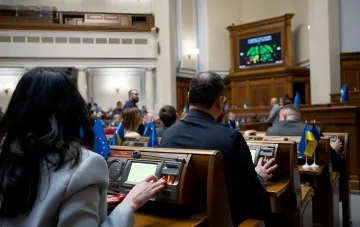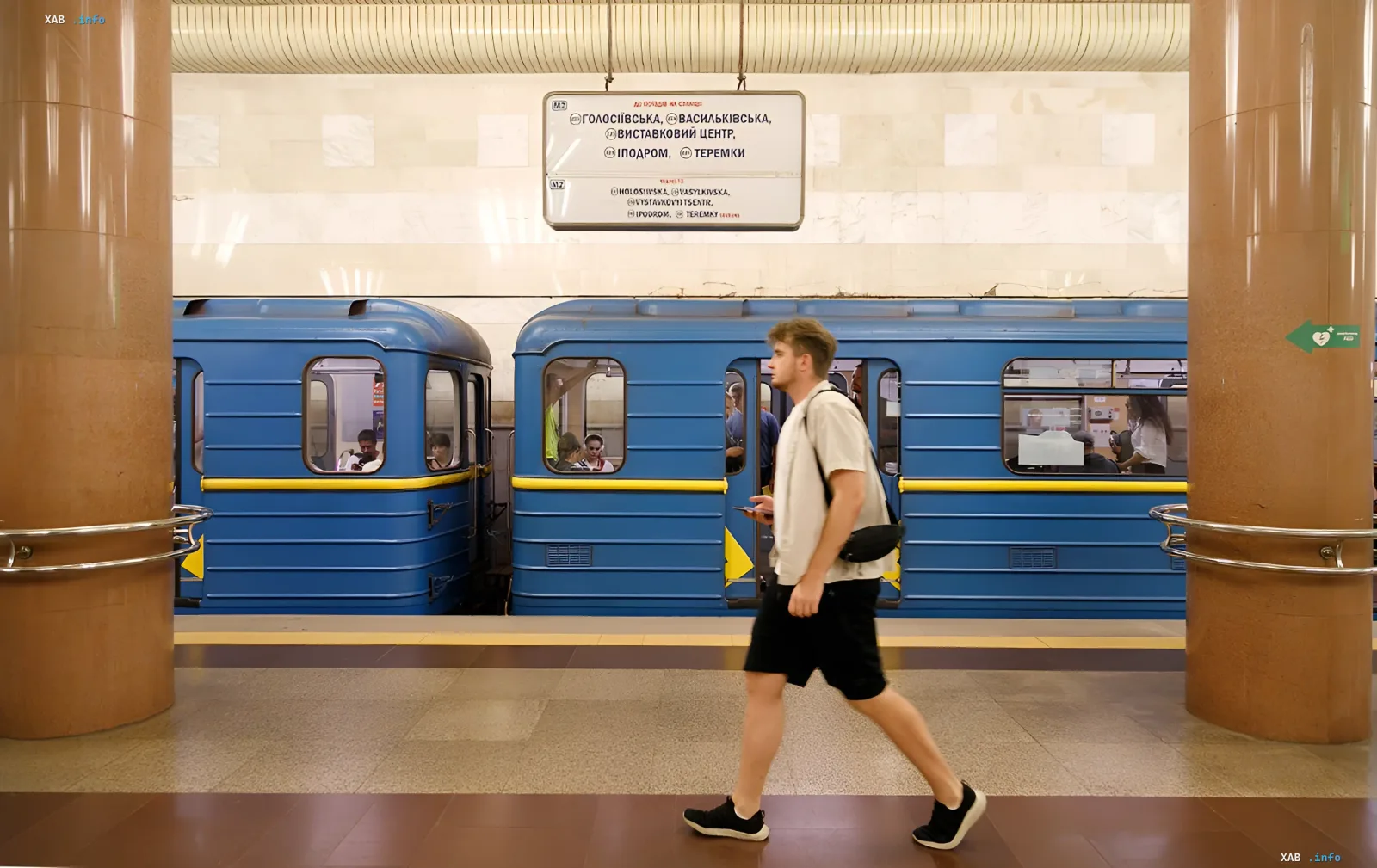
Against the backdrop of aerial attacks escalating to a new level, Kyiv is preparing a major overhaul of safety rules for residents. According to RBC-Ukraine, the Cabinet of Ministers and the city defense council are working through a package of changes that will affect the operation of the metro, traffic rules on the bridges, the curfew, the work of railway stations, and even taxi fares. A typical Kyiv metro station, where passengers and trains continue to run even during periods of heightened risk, illustrates everyday life under these conditions.
Context: jet-powered drones and dozens of alerts a day
The key trigger for revising the measures was a change in the nature of the attacks: at the end of August, the enemy began actively using jet-powered drones against Kyiv, which are significantly harder for air defense systems to intercept. The result has been a consistently high frequency of air-raid alerts — 10 or more per day. This is precisely what, in the words of Prime Minister Serhiy Haidai (Koretsky), turned the previous regime of restrictions into a factor paralyzing the capital's economic activity and forced the authorities to bring safety rules in line with the new realities.
Two alert levels: how the metro will change
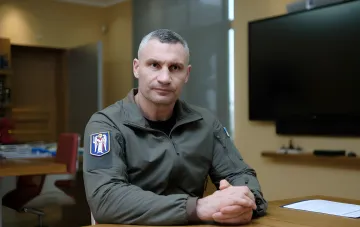
The central proposal is to split the air-raid alert into two levels: "green" and "red." Currently, during an alert, neither the "green" nor the "red" metro line runs between the right and left banks. The Kyiv Defense Council, as Mayor Vitali Klitschko reported, proposes allowing the "green" line to continue running between the banks even during an alert. The "red" line, which is above ground on the left bank, will retain the current restrictions. Thus, the changes are asymmetric in nature: part of the network remains in the previous regime, while part gains greater freedom of movement.
Bridges, curfew and stations
In addition to the metro, the defense council has tasked the Armed Forces and the Kyiv City State Administration (KMSA) with preparing proposals to lift the restrictions on bridge traffic, which is currently closed off during alerts. In parallel, easing of the curfew is being worked out. Minister for Recovery, Infrastructure and Transport Mykola Kalashnyk has spoken about preparing for around-the-clock operation of railway stations. To reduce risks, it is proposed to disperse trains and passengers, avoid simultaneous arrivals at adjacent platforms, shorten boarding and alighting times, and simplify security checks at stations under heightened threat.
Taxis, fares and economic activity
Separately, the Cabinet of Ministers is considering the possibility of capping taxi fares during air-raid alerts in Kyiv. At the same time, as sources emphasize, no specific decision has yet been made on this point — it remains at the discussion stage. The logic of all the measures, according to the government's assessment, comes down to one thing: keep the city's economic and transport life functioning despite the regular alerts.
Contradictory data and nuances
It is important to distinguish between what has already been decided and what remains at the proposal stage. The two-tier alert system, the running of the "green" line between the banks, the opening of bridges and the around-the-clock operation of stations are described as initiatives under consideration, not as rules that have entered into force; the final word lies with the government. There is no decision at all yet on taxi fares. In addition, public debate is already underway in society over how well the current measures (including the placement of tents and shelters in the metro during alerts) meet residents' expectations: some citizens criticize the conditions, while others consider them necessary. These discrepancies between the official position and public opinion, as well as between a "proposal" and a "decision," should be taken into account when assessing the innovations.
When the final decisions will be made
According to information from People's Deputy Olena Vasylievska-Smaglyuk, shared after a meeting of the Servant of the People faction with the Prime Minister, the final decision on the new safety rules in Kyiv will be made by the government in the coming days. Until then, the measures described remain working drafts that may be adjusted before approval.